THE ADVENTURE COLLECTIVE® · Independent discovery and booking for outdoor travel

Spend 90–120 minutes in a private tatami room learning kimono dressing and an authentic tea ceremony with a certified tea master. This intimate cultural experience blends hands-on textile fitting with matcha, wagashi, and quiet ceremonial instruction.
Spend 90–120 minutes in a private tatami room learning kimono dressing and an authentic tea ceremony with a certified tea master. This intimate cultural experience blends hands-on textile fitting with matcha, wagashi, and quiet ceremonial instruction.
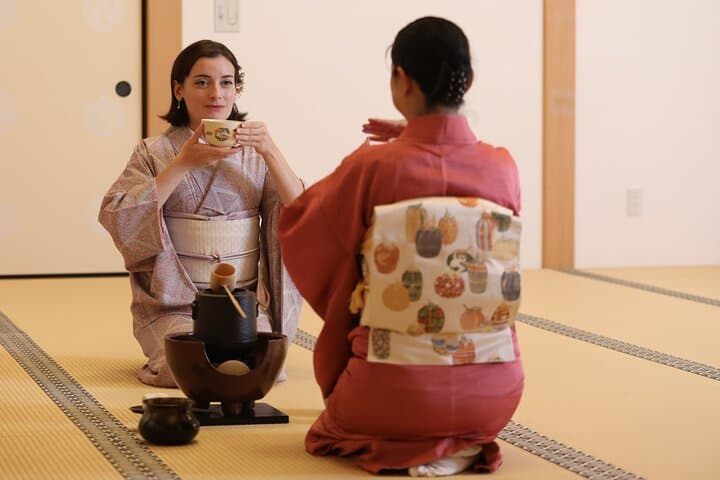
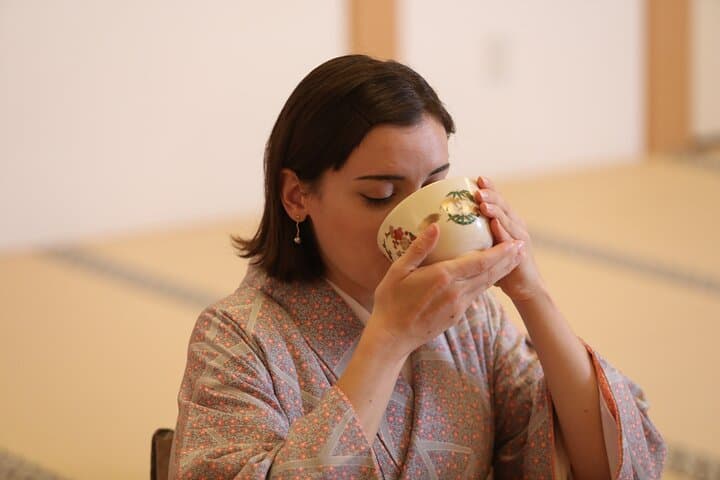
Stepping into the tatami room, the city’s hum falls away and the air smells faintly of polished wood and roasted tea.
A kimono expert helps you fold and tie layers with deliberate, practiced hands while a tea master prepares matcha behind a low partition; the rhythm of movements feels choreographed, not rushed.
Verified experiences and guided adventures in the surrounding area.
Operated by 和文化体験 寺子屋NINJA · Tokyo, Tokyo
Stepping into the tatami room, the city’s hum falls away and the air smells faintly of polished wood and roasted tea.
A kimono expert helps you fold and tie layers with deliberate, practiced hands while a tea master prepares matcha behind a low partition; the rhythm of movements feels choreographed, not rushed.
These arts—kimono dressing and the Japanese tea ceremony (chanoyu)—are cultural practices shaped over centuries. Kimonos evolved from Heian-period court clothing into everyday and ceremonial wear; tea ceremony etiquette was refined by tea masters and samurai as a study in hospitality, aesthetics, and restraint.
The experience focuses on material culture: silk and cotton kimonos, the woven igusa tatami that cushions your knees, and the iron kettle’s hiss. Local insights include how seasonal wagashi mirror Tokyo’s changing calendar and why sitting seiza-style matters for ceremony formality.
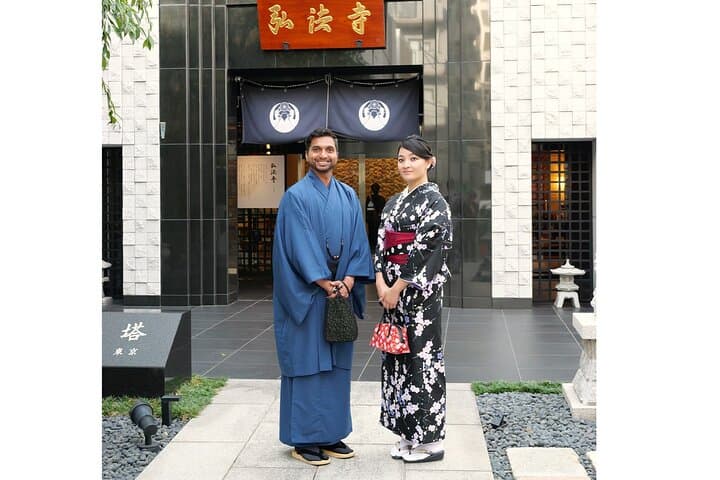
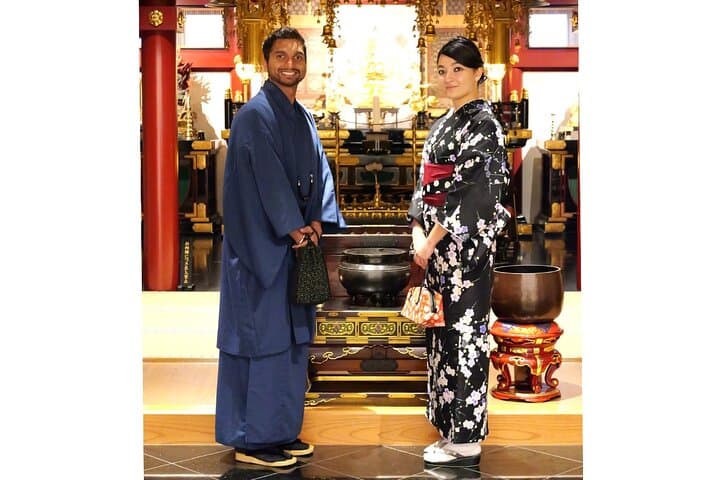
Practical guidance: plan for 90–120 minutes—allow 30 minutes for dressing. Inform hosts of height and shoe size in advance so fittings are smooth. Expect to remove shoes and store personal items; clothing provided includes kimono, obi, and tabi (socks may be supplied). Photography is usually welcome but follow the host’s lead during ritual moments. If you have knee issues, request a chair in advance.
This private session is ideal for travelers seeking focused cultural immersion without language proficiency—your guide leads every step. Leave room in your schedule for nearby photo-friendly streets or a quiet walk along a riverbank afterward.
easy.
90–120 minutes.
Minimal physical fitness required; ability to sit on low seating or kneel briefly is helpful
No—sessions are led step-by-step by an attendant; English explanations are commonly provided for international guests.
Yes, but follow the tea master’s guidance: avoid flash and pause photographing during key ritual moments to respect the experience.
This listing is a private activity; confirm guest capacity when booking and provide full names and ages as requested.
You can receive a full refund if you cancel at least 24 hours before the scheduled start time; no refund within 24 hours.
Kimono and the tea ceremony evolved alongside Japan’s feudal and cultural history; samurai and tea masters developed chanoyu as a ritual blending aesthetics, discipline, and hospitality.
Respecting tatami and textiles reduces wear—remove shoes, avoid makeup rubbing on fabric, and follow host guidance to minimize damage.
和文化体験 寺子屋NINJA operates guided outdoor trips and adventures with an emphasis on safety, stewardship, and memorable experiences.
Stepping into the tatami room, the city’s hum falls away and the air smells faintly of polished wood and roasted tea.
A kimono expert helps you fold and tie layers with deliberate, practiced hands while a tea master prepares matcha behind a low partition; the rhythm of movements feels choreographed, not rushed.
These arts—kimono dressing and the Japanese tea ceremony (chanoyu)—are cultural practices shaped over centuries. Kimonos evolved from Heian-period court clothing into everyday and ceremonial wear; tea ceremony etiquette was refined by tea masters and samurai as a study in hospitality, aesthetics, and restraint.
The experience focuses on material culture: silk and cotton kimonos, the woven igusa tatami that cushions your knees, and the iron kettle’s hiss. Local insights include how seasonal wagashi mirror Tokyo’s changing calendar and why sitting seiza-style matters for ceremony formality.
Practical guidance: plan for 90–120 minutes—allow 30 minutes for dressing. Inform hosts of height and shoe size in advance so fittings are smooth. Expect to remove shoes and store personal items; clothing provided includes kimono, obi, and tabi (socks may be supplied). Photography is usually welcome but follow the host’s lead during ritual moments. If you have knee issues, request a chair in advance.
This private session is ideal for travelers seeking focused cultural immersion without language proficiency—your guide leads every step. Leave room in your schedule for nearby photo-friendly streets or a quiet walk along a riverbank afterward.