THE ADVENTURE COLLECTIVE® · Independent discovery and booking for outdoor travel

Step into a Tokyo dojo for a two-hour kendo session that pairs practical swordwork with the calm discipline of Bushido. Expect basic strikes, footwork drills, controlled sparring, and an introduction to etiquette—no prior experience required.
Step into a Tokyo dojo for a two-hour kendo session that pairs practical swordwork with the calm discipline of Bushido. Expect basic strikes, footwork drills, controlled sparring, and an introduction to etiquette—no prior experience required.
Step through the sliding door and the city’s pulse shifts—Tokyo traffic fades; the dojo’s polished floor answers each footfall with a clean, wooden note. In two hours you’ll stand where technique and discipline meet: a bright, focused room, bamboo shinai in hand, an instructor guiding posture, breath, and intent.
Verified experiences and guided adventures in the surrounding area.
Operated by Kendo Spirit · Tokyo, Tokyo
Step through the sliding door and the city’s pulse shifts—Tokyo traffic fades; the dojo’s polished floor answers each footfall with a clean, wooden note. In two hours you’ll stand where technique and discipline meet: a bright, focused room, bamboo shinai in hand, an instructor guiding posture, breath, and intent.
Kendo evolved from the battlefield training of the samurai, later formalized with shinai and protective armor so practitioners could test timing and spirit without mortal risk. The practice on offer here frames that history in practical drills: etiquette and bowing, basic strikes, footwork, and controlled sparring that emphasizes mental steadiness as much as physical precision.
Culturally, a dojo is as much social code as sport—respect, quiet focus, and repetition replace flash. The surrounding neighborhood gives a quick contrast: a modern metropolis of concrete and neon that makes the disciplined calm of the dojo feel surprisingly elemental. There’s no wilderness geology to trace—this is urban tradition grafted onto modern life—but the same forces of craft and time shaped both samurai technique and Tokyo’s dense streets.
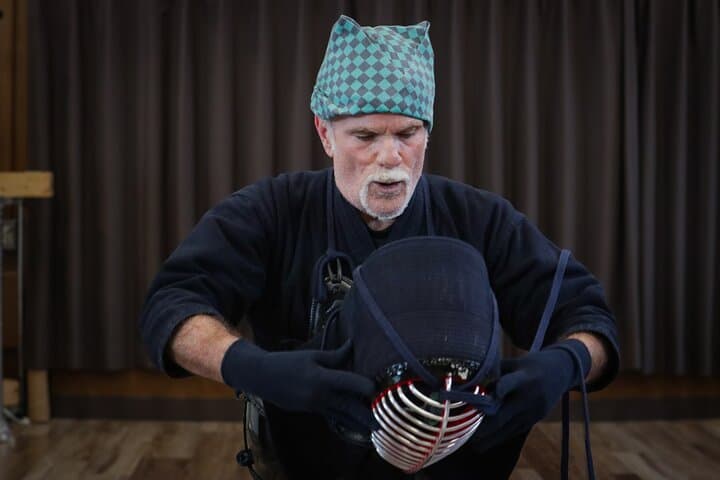
Practical guidance: arrive 10–15 minutes early, wear comfortable clothes (shorts or tracksuit), and accept the provided keikogi if desired. Expect hands-on correction, slow-paced teaching for beginners, and a photographer capturing highlights. Not recommended for those with spinal, heart conditions, or pregnancy; wear light, slip-on shoes as you’ll remove them before stepping on the floor. Hydrate beforehand—the training is short but intense—and be ready to leave with a clearer posture, sharper timing, and a direct taste of Bushido.
easy.
2 hours.
Suitable for most adults with basic mobility; brief bursts of exertion and quick stepping require knee and ankle stability.
No—sessions are designed for beginners, with slow progression through etiquette, basic strikes, and footwork.
The instructor speaks fluent English and will explain techniques clearly; demonstrations and hands-on corrections bridge most gaps.
Yes—a photographer documents the session and you’ll receive photos and video files by email after the experience.
Not recommended for those with spinal injuries, serious heart conditions, or pregnancy due to the stopping and twisting motions involved.
Kendo grew from samurai sword training; modern practice uses bamboo shinai and armor so practitioners can test timing and spirit safely.
Dojo etiquette includes removing shoes and keeping the practice space clean; travelers should follow local waste-sorting rules and respect cultural norms to minimize impact.
Kendo Spirit operates guided outdoor trips and adventures with an emphasis on safety, stewardship, and memorable experiences.
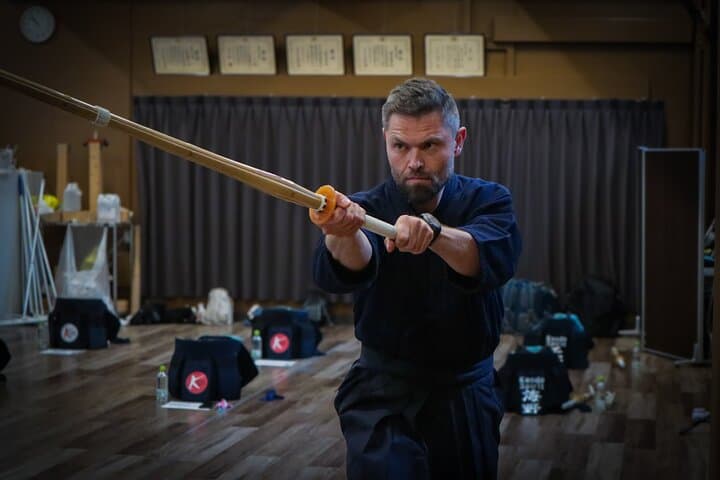
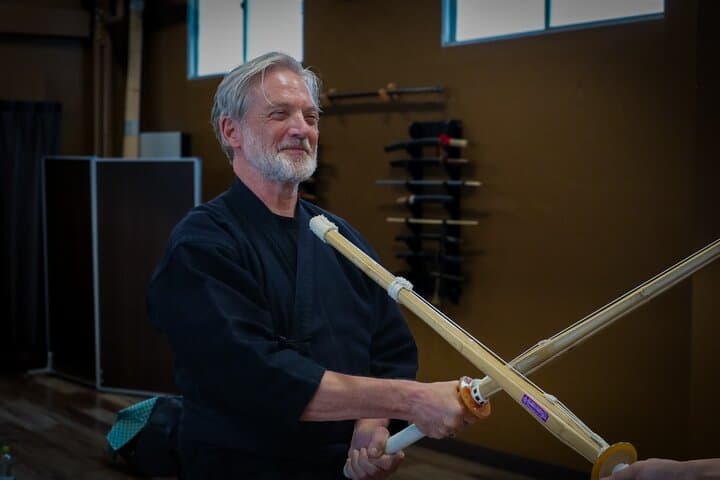
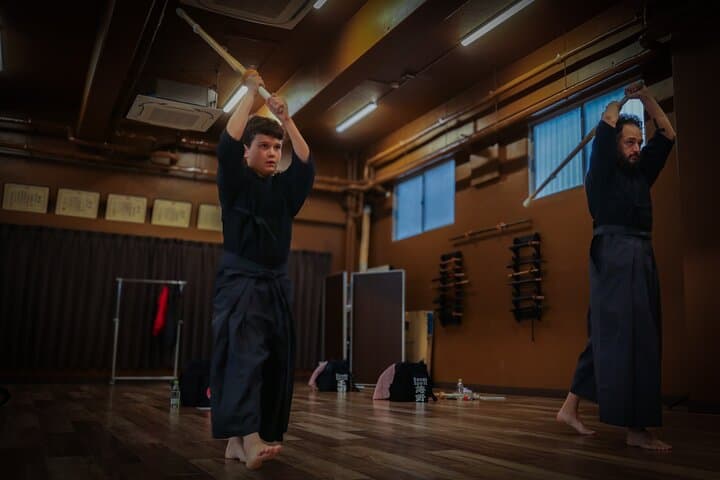
Step through the sliding door and the city’s pulse shifts—Tokyo traffic fades; the dojo’s polished floor answers each footfall with a clean, wooden note. In two hours you’ll stand where technique and discipline meet: a bright, focused room, bamboo shinai in hand, an instructor guiding posture, breath, and intent.
Step through the sliding door and the city’s pulse shifts—Tokyo traffic fades; the dojo’s polished floor answers each footfall with a clean, wooden note. In two hours you’ll stand where technique and discipline meet: a bright, focused room, bamboo shinai in hand, an instructor guiding posture, breath, and intent.
Kendo evolved from the battlefield training of the samurai, later formalized with shinai and protective armor so practitioners could test timing and spirit without mortal risk. The practice on offer here frames that history in practical drills: etiquette and bowing, basic strikes, footwork, and controlled sparring that emphasizes mental steadiness as much as physical precision.
Culturally, a dojo is as much social code as sport—respect, quiet focus, and repetition replace flash. The surrounding neighborhood gives a quick contrast: a modern metropolis of concrete and neon that makes the disciplined calm of the dojo feel surprisingly elemental. There’s no wilderness geology to trace—this is urban tradition grafted onto modern life—but the same forces of craft and time shaped both samurai technique and Tokyo’s dense streets.
Practical guidance: arrive 10–15 minutes early, wear comfortable clothes (shorts or tracksuit), and accept the provided keikogi if desired. Expect hands-on correction, slow-paced teaching for beginners, and a photographer capturing highlights. Not recommended for those with spinal, heart conditions, or pregnancy; wear light, slip-on shoes as you’ll remove them before stepping on the floor. Hydrate beforehand—the training is short but intense—and be ready to leave with a clearer posture, sharper timing, and a direct taste of Bushido.