THE ADVENTURE COLLECTIVE® · Independent discovery and booking for outdoor travel

Step onto the mat at Soshikan Dojo in Kita Ward for an accessible two-hour karate introduction, then unwind at the adjacent standing sake bar. Learn basic technique, dojo etiquette, and enjoy a local after-training ritual.
Step onto the mat at Soshikan Dojo in Kita Ward for an accessible two-hour karate introduction, then unwind at the adjacent standing sake bar. Learn basic technique, dojo etiquette, and enjoy a local after-training ritual.
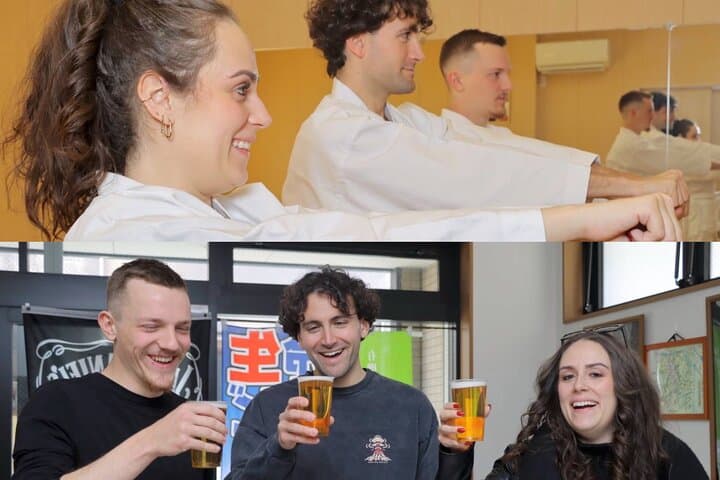
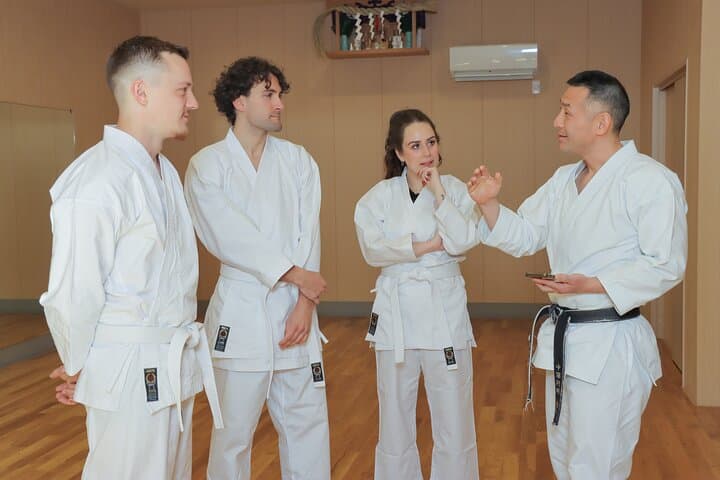
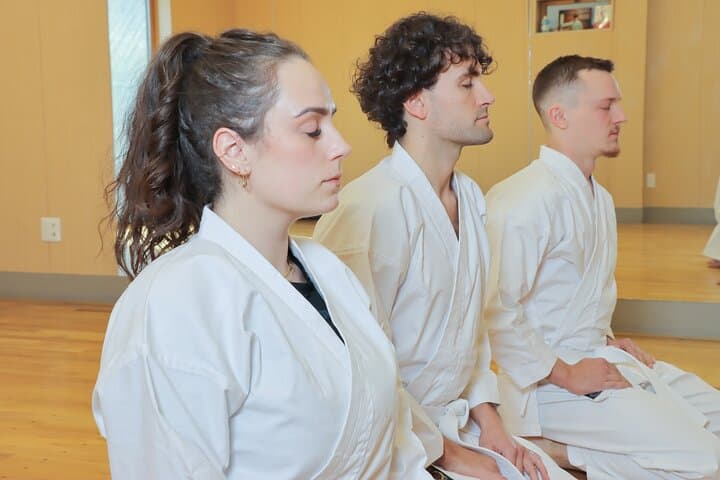
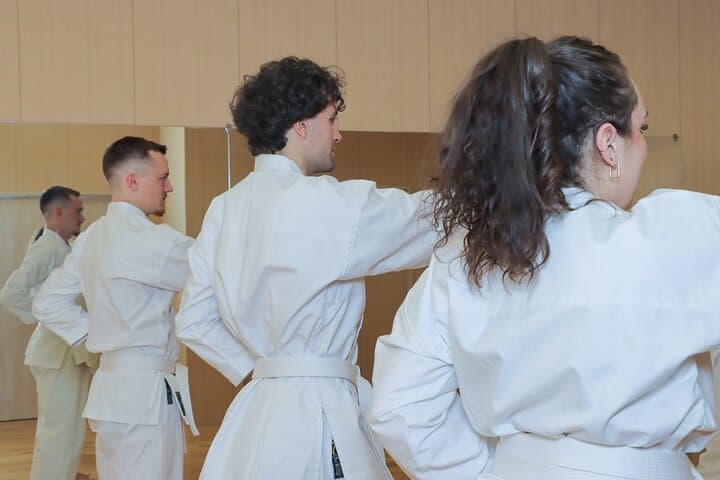
The bright, clean mat greets you like a challenge: cool vinyl underfoot, a kamidana shrine above the shomen, and instructors moving with measured economy. Outside, Shimo’s narrow streets hum with commuter rhythm; inside Soshikan Dojo, time compresses into practice—kihon, kata, and the small courtesies of bowing.
Verified experiences and guided adventures in the surrounding area.
Operated by Tokyo Karate Dojo Experience · Tokyo, Tokyo
The bright, clean mat greets you like a challenge: cool vinyl underfoot, a kamidana shrine above the shomen, and instructors moving with measured economy. Outside, Shimo’s narrow streets hum with commuter rhythm; inside Soshikan Dojo, time compresses into practice—kihon, kata, and the small courtesies of bowing.
Karate’s roots lie in Okinawa, but urban Tokyo dojos have long blended Okinawan technique with Japanese etiquette. Soshikan, built in 2023, pairs those traditions with modern comfort: clear instruction in English, a rental gi, and a compact photo spot for a keepsake. The setting sits on Tokyo’s Kanto plain—an engineered cityscape where community institutions like dojos anchor neighborhood life.
You’ll learn basic stances, strikes, and dojo manners over roughly two hours, then move next door to a standing-style sake bar where a cold beer or a small cup of sake continues the lesson in social ritual. The program suits beginners; instructors emphasize repetition and safe mechanics rather than full-contact sparring.
Practical guidance: arrive in athletic layers you can remove, bring an ID for rental paperwork, and drink water before and after training—the session involves repeated standing, squats, and controlled impact. Note health warnings: participants with spinal, heart, or pregnancy concerns should skip. Public transit serves the area; shoes stay outside the mat. Expect clear English cues, photo opportunities in a rented uniform, and a short cultural debrief that frames training as both movement and local social practice.
easy.
2 hours.
Suitable for most fitness levels; expect standing, squatting, and controlled striking—basic mobility and balance help
No — the class is geared toward beginners with an English-speaking instructor who covers basics and dojo etiquette.
Yes — a rental gi is included along with a tenugui towel and a photo session option.
Yes — two alcoholic beverages (or non-alcoholic alternatives) and snacks at the adjacent standing bar are part of the experience.
Participants with spinal injuries, pregnancy, or serious cardiovascular conditions are advised not to take part; the operator lists these restrictions during booking.
While karate originated in Okinawa, dojos in Tokyo adapted the art into urban community centers where practice and social rituals—like post-training drinks—intersect.
Respect the facility by keeping the dojo clean, minimizing single-use plastics when possible, and supporting the adjacent local businesses that sustain neighborhood culture.
Tokyo Karate Dojo Experience operates guided outdoor trips and adventures with an emphasis on safety, stewardship, and memorable experiences.
The bright, clean mat greets you like a challenge: cool vinyl underfoot, a kamidana shrine above the shomen, and instructors moving with measured economy. Outside, Shimo’s narrow streets hum with commuter rhythm; inside Soshikan Dojo, time compresses into practice—kihon, kata, and the small courtesies of bowing.
The bright, clean mat greets you like a challenge: cool vinyl underfoot, a kamidana shrine above the shomen, and instructors moving with measured economy. Outside, Shimo’s narrow streets hum with commuter rhythm; inside Soshikan Dojo, time compresses into practice—kihon, kata, and the small courtesies of bowing.
Karate’s roots lie in Okinawa, but urban Tokyo dojos have long blended Okinawan technique with Japanese etiquette. Soshikan, built in 2023, pairs those traditions with modern comfort: clear instruction in English, a rental gi, and a compact photo spot for a keepsake. The setting sits on Tokyo’s Kanto plain—an engineered cityscape where community institutions like dojos anchor neighborhood life.
You’ll learn basic stances, strikes, and dojo manners over roughly two hours, then move next door to a standing-style sake bar where a cold beer or a small cup of sake continues the lesson in social ritual. The program suits beginners; instructors emphasize repetition and safe mechanics rather than full-contact sparring.
Practical guidance: arrive in athletic layers you can remove, bring an ID for rental paperwork, and drink water before and after training—the session involves repeated standing, squats, and controlled impact. Note health warnings: participants with spinal, heart, or pregnancy concerns should skip. Public transit serves the area; shoes stay outside the mat. Expect clear English cues, photo opportunities in a rented uniform, and a short cultural debrief that frames training as both movement and local social practice.