THE ADVENTURE COLLECTIVE® · Independent discovery and booking for outdoor travel

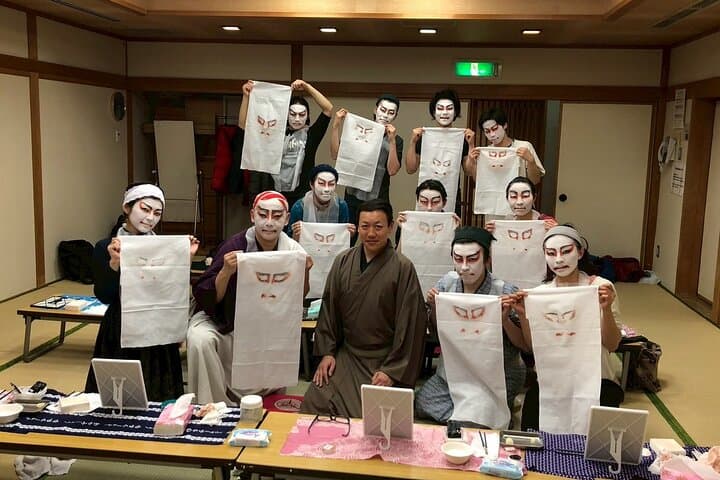
Pair dramatic Kabuki makeup and a short traditional-dance performance with a hands-on ramen workshop in central Tokyo. Learn the meaning behind kumadori lines, build your own bowl, and leave with a face imprint souvenir and new cooking know-how.
Pair dramatic Kabuki makeup and a short traditional-dance performance with a hands-on ramen workshop in central Tokyo. Learn the meaning behind kumadori lines, build your own bowl, and leave with a face imprint souvenir and new cooking know-how.
You step into a low-lit studio near Ginza and feel hot steam and louder breaths: broth simmering beside a stage where painted faces will tell a story older than the concrete outside.
Verified experiences and guided adventures in the surrounding area.
You step into a low-lit studio near Ginza and feel hot steam and louder breaths: broth simmering beside a stage where painted faces will tell a story older than the concrete outside.
This three-hour experience pairs a dramatic Kabuki makeup transformation with a short traditional-dance performance and a hands-on ramen workshop. Kabuki, born in Edo-era Tokyo, evolved as a public theatre form defined by exaggerated makeup (kumadori) and stylized movement; the makeup session gives participants a tactile connection to that history while performers prepare the choreography you’ll watch. Tokyo itself sits on old river plains bordering Tokyo Bay—its flat, man-made shoreline contrasts with the centuries-old theatrical rituals practiced here.
Expect an intimate setting: artisans apply kumadori pigments while explaining symbolism of colors and lines; dancers warm up and then perform a concise piece that highlights posture and timing. Then you move to the ramen station—choose broth bases, build toppings, and learn timing for noodles and tare, with an optional A5 wagyu upgrade for a richer bowl.
Practicalities are straightforward: the workshop lasts about three hours, runs in English and often includes translators, and requires a minimum group to operate, so confirm booking close to the date. Wear clothing you don’t mind getting a bit of powder or broth on, and be ready to stand for short periods. Cameras are usually allowed but check rules for close-ups during makeup.
This is a sensory mix of heat, color, and controlled movement—an accessible way to experience a living Edo tradition and the craft behind Japan’s most famous comfort food.
easy.
3 hours.
Low; participants should be able to stand and move short distances for brief periods.
Professional stage makeup is used and generally safe, but if you have sensitive skin or allergies notify staff in advance so they can adapt products or skip application.
No prior experience is required; instructors guide you through broth selection, topping choices, and noodle timing for a successful bowl.
Sessions are commonly run in English and Japanese; check the operator’s listing for specific language support or translator availability.
The tour may be canceled if the minimum of 10 guests isn't reached—bookings are typically confirmed by a specified cut-off date and you'll be notified of cancellations then.
Kabuki grew in the early 17th century in Edo (now Tokyo); Kabukiza in Ginza sits at the heart of that continuous tradition where makeup and movement encode character and social cues.
Respect cultural heritage by following performer and staff guidance; minimize single-use plastic from food packaging and dispose of waste in provided bins to reduce local impact.
You step into a low-lit studio near Ginza and feel hot steam and louder breaths: broth simmering beside a stage where painted faces will tell a story older than the concrete outside.
You step into a low-lit studio near Ginza and feel hot steam and louder breaths: broth simmering beside a stage where painted faces will tell a story older than the concrete outside.
This three-hour experience pairs a dramatic Kabuki makeup transformation with a short traditional-dance performance and a hands-on ramen workshop. Kabuki, born in Edo-era Tokyo, evolved as a public theatre form defined by exaggerated makeup (kumadori) and stylized movement; the makeup session gives participants a tactile connection to that history while performers prepare the choreography you’ll watch. Tokyo itself sits on old river plains bordering Tokyo Bay—its flat, man-made shoreline contrasts with the centuries-old theatrical rituals practiced here.
Expect an intimate setting: artisans apply kumadori pigments while explaining symbolism of colors and lines; dancers warm up and then perform a concise piece that highlights posture and timing. Then you move to the ramen station—choose broth bases, build toppings, and learn timing for noodles and tare, with an optional A5 wagyu upgrade for a richer bowl.
Practicalities are straightforward: the workshop lasts about three hours, runs in English and often includes translators, and requires a minimum group to operate, so confirm booking close to the date. Wear clothing you don’t mind getting a bit of powder or broth on, and be ready to stand for short periods. Cameras are usually allowed but check rules for close-ups during makeup.
This is a sensory mix of heat, color, and controlled movement—an accessible way to experience a living Edo tradition and the craft behind Japan’s most famous comfort food.