THE ADVENTURE COLLECTIVE® · Independent discovery and booking for outdoor travel

Move fast through Tokyo’s contrasts with a government-licensed English guide on an eight-hour private tour from Yokohama. Visit 3–4 sites—shrines, gardens, neighborhoods—and learn the efficient routes, cultural context and local tips to make the most of a single day.
Move fast through Tokyo’s contrasts with a government-licensed English guide on an eight-hour private tour from Yokohama. Visit 3–4 sites—shrines, gardens, neighborhoods—and learn the efficient routes, cultural context and local tips to make the most of a single day.
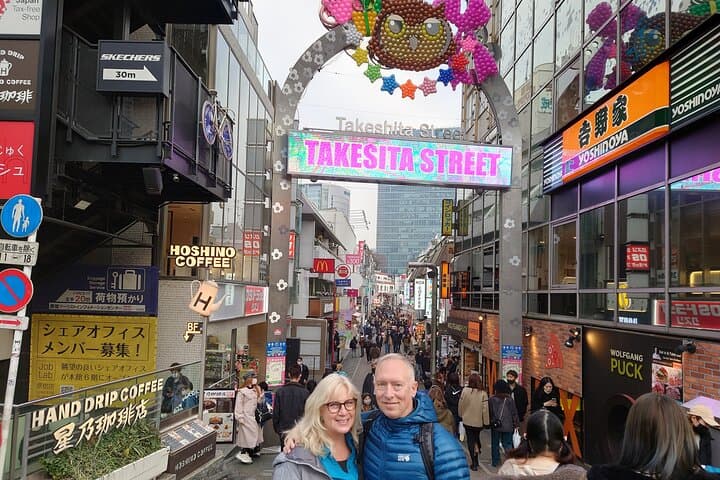
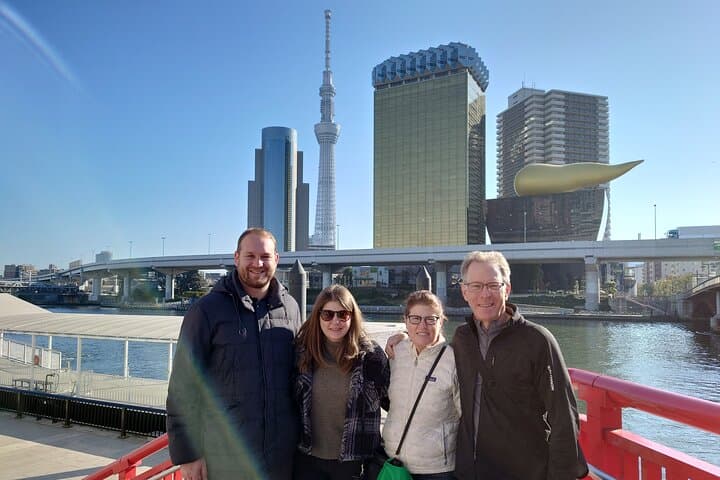
You step off the train in Yokohama just as the city exhales—commuters folding into the morning like pages in a book. Your licensed English-speaking guide meets you on foot and, within minutes, the rails push you toward Tokyo: skyscrapers rising like a city learning how to stand on its own. Walking through neighborhoods, the city’s layers reveal themselves: Edo-era lanes brushing against neon plazas, shrine gates framing modern glass.
Verified experiences and guided adventures in the surrounding area.
Operated by Japan Guide Agency · Yokohama, Kanagawa
You step off the train in Yokohama just as the city exhales—commuters folding into the morning like pages in a book. Your licensed English-speaking guide meets you on foot and, within minutes, the rails push you toward Tokyo: skyscrapers rising like a city learning how to stand on its own. Walking through neighborhoods, the city’s layers reveal themselves: Edo-era lanes brushing against neon plazas, shrine gates framing modern glass.
Tokyo’s story is one of adaptation. Once the seat of the Tokugawa shogunate’s influence and later the imperial capital, the city rebuilt repeatedly after earthquakes and wartime destruction; that resilience shows in reconstructed gardens, preserved temple precincts and the urban planning that lets nature—streetside ginkgo and tidal ponds—assert a quiet presence.
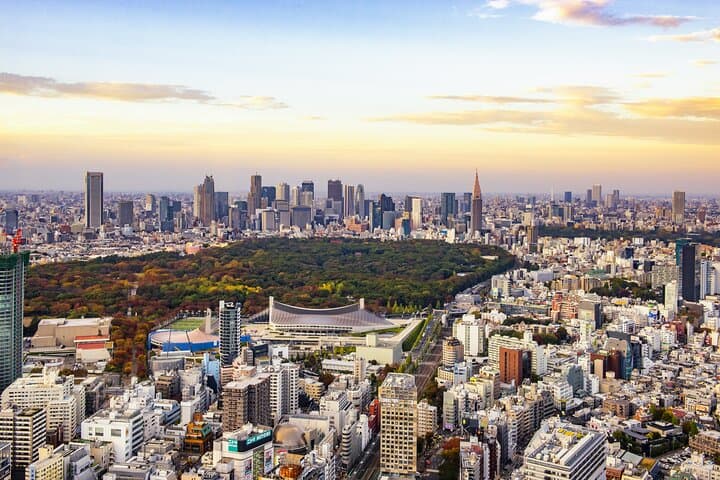
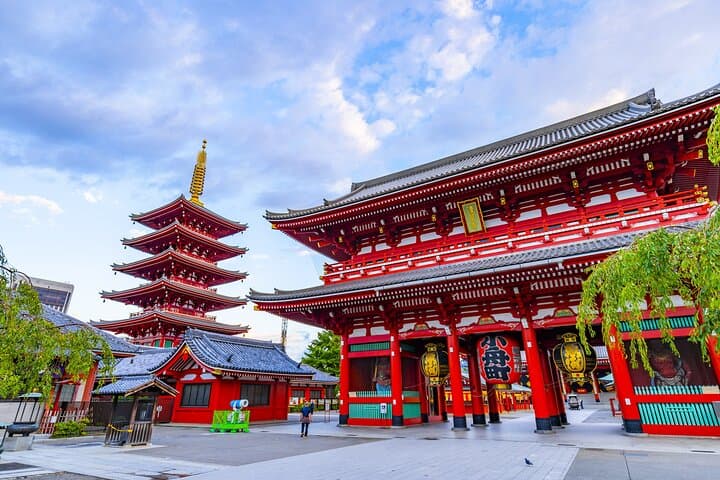
Geology here is subtle: reclaimed land along Tokyo Bay, terraces where old river channels ran, and parks that occupy former estates. Culture is immediate—temple rituals, neighborhood markets, and the precise cadence of public transit. Local insights from your guide will steer you to efficient routes and off-hour windows to avoid crowds at places like Meiji Shrine, Sensoji or Shibuya Crossing.
Practical guidance: expect 3–4 stops over eight hours, mostly on foot and by train; carry a small daypack, travel card (Suica/Pasmo), comfortable shoes and a charged phone for maps. Time your day to match light: morning for shrines and gardens, dusk for skyline views. Stay hydrated, follow local etiquette at religious sites, and leave room to wander a side street—Tokyo rewards the curious and prepared.
easy.
8 hours.
Suitable for most fitness levels; involves urban walking and stair use—expect several miles of walking.
You meet on foot within the agreed area of Yokohama (often near the port or a central station); your booking will specify the exact meeting point.
Yes—this private tour is flexible and typically covers 3–4 sights in one or two areas; tell your guide your priorities in advance.
No—admission to gardens or museums is usually not included; your guide will advise and help purchase tickets when needed.
Many meeting and transit points are accessible and the tour notes indicate wheelchair/stroller accessibility, but access can vary by site—confirm specifics when booking.
Tokyo evolved from the Edo seat of shogunal power into Japan’s modern capital after the Meiji Restoration; many gardens and shrines preserve Edo-period landscapes.
High visitor numbers concentrate at temples and gardens—stick to paths, dispose of trash in designated bins and follow park rules to minimize impact.
Japan Guide Agency operates guided outdoor trips and adventures with an emphasis on safety, stewardship, and memorable experiences.
You step off the train in Yokohama just as the city exhales—commuters folding into the morning like pages in a book. Your licensed English-speaking guide meets you on foot and, within minutes, the rails push you toward Tokyo: skyscrapers rising like a city learning how to stand on its own. Walking through neighborhoods, the city’s layers reveal themselves: Edo-era lanes brushing against neon plazas, shrine gates framing modern glass.
You step off the train in Yokohama just as the city exhales—commuters folding into the morning like pages in a book. Your licensed English-speaking guide meets you on foot and, within minutes, the rails push you toward Tokyo: skyscrapers rising like a city learning how to stand on its own. Walking through neighborhoods, the city’s layers reveal themselves: Edo-era lanes brushing against neon plazas, shrine gates framing modern glass.
Tokyo’s story is one of adaptation. Once the seat of the Tokugawa shogunate’s influence and later the imperial capital, the city rebuilt repeatedly after earthquakes and wartime destruction; that resilience shows in reconstructed gardens, preserved temple precincts and the urban planning that lets nature—streetside ginkgo and tidal ponds—assert a quiet presence.
Geology here is subtle: reclaimed land along Tokyo Bay, terraces where old river channels ran, and parks that occupy former estates. Culture is immediate—temple rituals, neighborhood markets, and the precise cadence of public transit. Local insights from your guide will steer you to efficient routes and off-hour windows to avoid crowds at places like Meiji Shrine, Sensoji or Shibuya Crossing.
Practical guidance: expect 3–4 stops over eight hours, mostly on foot and by train; carry a small daypack, travel card (Suica/Pasmo), comfortable shoes and a charged phone for maps. Time your day to match light: morning for shrines and gardens, dusk for skyline views. Stay hydrated, follow local etiquette at religious sites, and leave room to wander a side street—Tokyo rewards the curious and prepared.