THE ADVENTURE COLLECTIVE® · Independent discovery and booking for outdoor travel

An easy, private e-bike loop around Tokyo’s Imperial Palace that balances slow-paced history with urban sightseeing. Ideal for travelers who want comfortable, guided exploration through Edo-era gates, gardens and Ginza streets.
An easy, private e-bike loop around Tokyo’s Imperial Palace that balances slow-paced history with urban sightseeing. Ideal for travelers who want comfortable, guided exploration through Edo-era gates, gardens and Ginza streets.
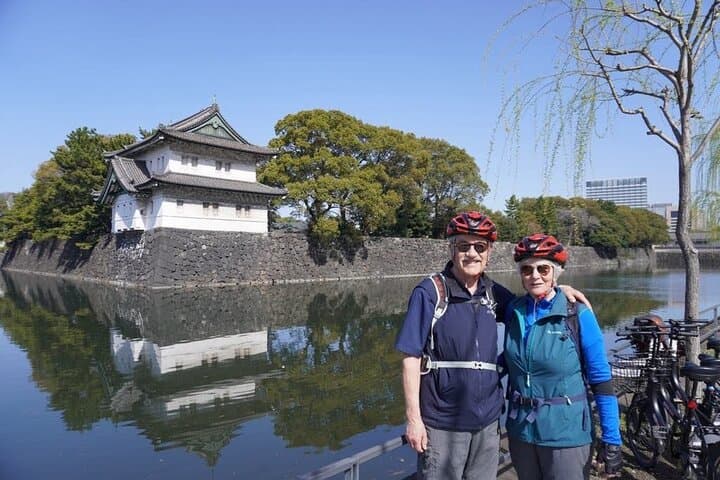
Morning light slices across the Imperial Palace moat as an electric assist whirrs to life — the city breathes and the guide sets a steady, unhurried pace. Riders move from stone bridges and patchwork walls into a ring of trees that once protected Edo Castle, then spill onto wide avenues toward Hibiya, Ginza and the old fish-market streets of Tsukiji.
Verified experiences and guided adventures in the surrounding area.
Operated by Cycling Holiday Tokyo · Tokyo, Tokyo
Morning light slices across the Imperial Palace moat as an electric assist whirrs to life — the city breathes and the guide sets a steady, unhurried pace. Riders move from stone bridges and patchwork walls into a ring of trees that once protected Edo Castle, then spill onto wide avenues toward Hibiya, Ginza and the old fish-market streets of Tsukiji.
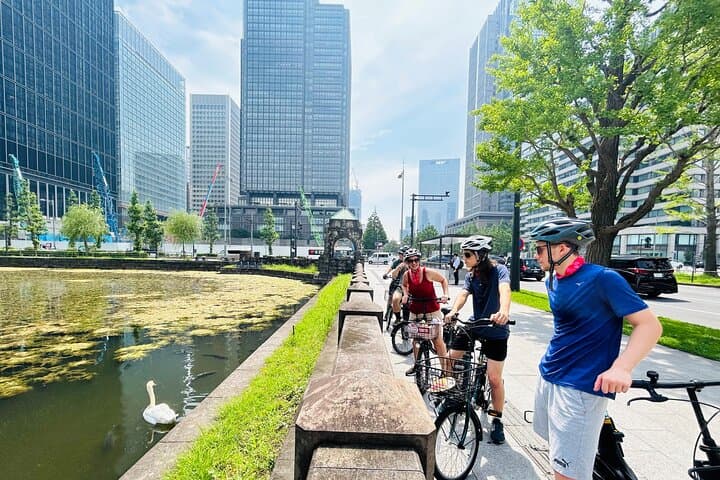
The route threads living history: the Tokugawa shogunate built Edo Castle in the 17th century and its gates, moats and gardens still mark Tokyo’s center. Geologically the area sits on the flat Kanto Plain, so the ride is essentially level — the moat and stonework are relics of a time when water and walls defined the city. Cultural contrasts arrive quickly: lacquered gates and samurai-era stone meet glass-faced finance towers and wood-framed neighborhood houses.
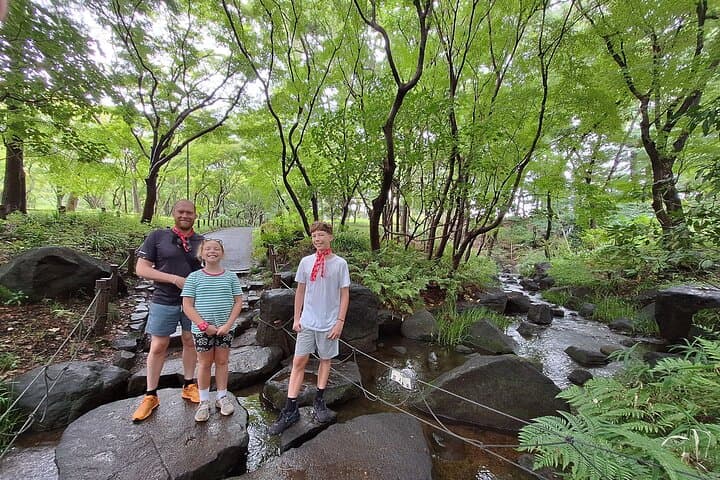
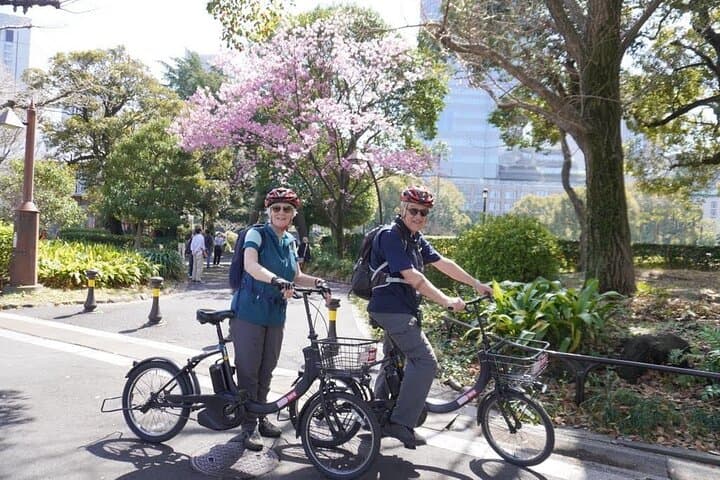
Expect photography stops at historic gates and a quiet Japanese garden; spring brings cherry blossoms that crowd the banks, while autumn gilds the trees. Local life — commuters, morning joggers, a market worker wheeling crates — folds into the tour, giving context beyond postcard views.
Practical guidance: this is a relaxed, low-impact ride of roughly 8–12 km over 2–3 hours with virtually no climbing. Helmets and e-bikes are provided; the group is small and paced for comfort. Bring sunscreen and water in summer, warm layers and gloves in winter, and be ready to follow traffic rules and guide instructions in busy intersections.
easy.
2–3 hours.
Suitable for people comfortable pedaling a bicycle for short periods; minimal endurance required
The tour meets at the operator’s base a one-minute walk from JR Kanda Station; exact meeting details are provided on booking confirmation.
Yes — the e-bike assist and relaxed pacing make it appropriate for beginners and mature travelers with basic cycling ability.
Yes, rental helmets are included and required; bring your own if you prefer a personal fit.
The operator may cancel in bad weather with full refund if canceled at least 24 hours before departure; light rain plans depend on guide discretion.
The Imperial Palace stands on the site of Edo Castle, the seat of the Tokugawa shogunate from the 17th century that shaped modern Tokyo’s layout.
Stay on designated paths and avoid feeding wildlife; the palace grounds and nearby parks are actively conserved and litter-free policies are enforced.
Cycling Holiday Tokyo operates guided outdoor trips and adventures with an emphasis on safety, stewardship, and memorable experiences.
Morning light slices across the Imperial Palace moat as an electric assist whirrs to life — the city breathes and the guide sets a steady, unhurried pace. Riders move from stone bridges and patchwork walls into a ring of trees that once protected Edo Castle, then spill onto wide avenues toward Hibiya, Ginza and the old fish-market streets of Tsukiji.
Morning light slices across the Imperial Palace moat as an electric assist whirrs to life — the city breathes and the guide sets a steady, unhurried pace. Riders move from stone bridges and patchwork walls into a ring of trees that once protected Edo Castle, then spill onto wide avenues toward Hibiya, Ginza and the old fish-market streets of Tsukiji.
The route threads living history: the Tokugawa shogunate built Edo Castle in the 17th century and its gates, moats and gardens still mark Tokyo’s center. Geologically the area sits on the flat Kanto Plain, so the ride is essentially level — the moat and stonework are relics of a time when water and walls defined the city. Cultural contrasts arrive quickly: lacquered gates and samurai-era stone meet glass-faced finance towers and wood-framed neighborhood houses.
Expect photography stops at historic gates and a quiet Japanese garden; spring brings cherry blossoms that crowd the banks, while autumn gilds the trees. Local life — commuters, morning joggers, a market worker wheeling crates — folds into the tour, giving context beyond postcard views.
Practical guidance: this is a relaxed, low-impact ride of roughly 8–12 km over 2–3 hours with virtually no climbing. Helmets and e-bikes are provided; the group is small and paced for comfort. Bring sunscreen and water in summer, warm layers and gloves in winter, and be ready to follow traffic rules and guide instructions in busy intersections.