THE ADVENTURE COLLECTIVE® · Independent discovery and booking for outdoor travel

Move through Tokyo by foot and subway on a full-day food-and-culture itinerary that pairs street eats with historic temples and a Skytree observation deck visit. Expect 8–10 hours of walking, local stories, and carefully chosen tasting stops.
Move through Tokyo by foot and subway on a full-day food-and-culture itinerary that pairs street eats with historic temples and a Skytree observation deck visit. Expect 8–10 hours of walking, local stories, and carefully chosen tasting stops.
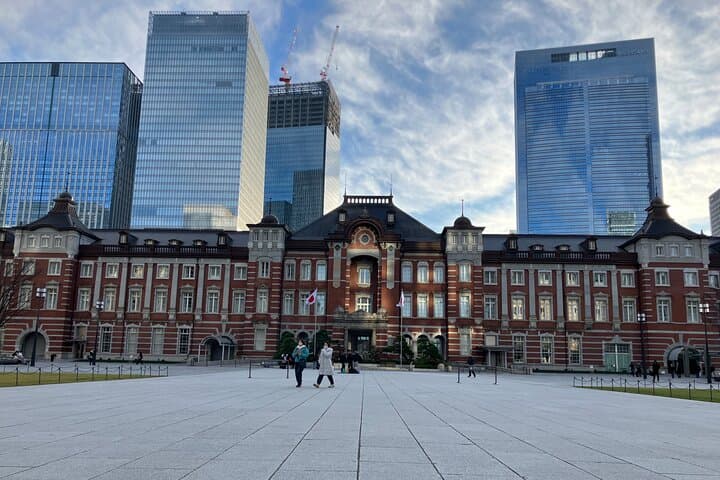
Morning light pools along the red brick face of Tokyo Station as your guide gathers the small group—thermos bottles and paper maps traded for a Tokyo 1-Day Ticket and an appetite for the city’s contrasts. You move fast: a subway glide to the Imperial Palace moats, then into the narrow alleys of Asakusa where steam from street stalls fogs your glasses and the scent of grilled skewers dares you to try one more bite.
Verified experiences and guided adventures in the surrounding area.
Operated by Hideyuki tourguide · Tokyo, Tokyo
Morning light pools along the red brick face of Tokyo Station as your guide gathers the small group—thermos bottles and paper maps traded for a Tokyo 1-Day Ticket and an appetite for the city’s contrasts. You move fast: a subway glide to the Imperial Palace moats, then into the narrow alleys of Asakusa where steam from street stalls fogs your glasses and the scent of grilled skewers dares you to try one more bite.
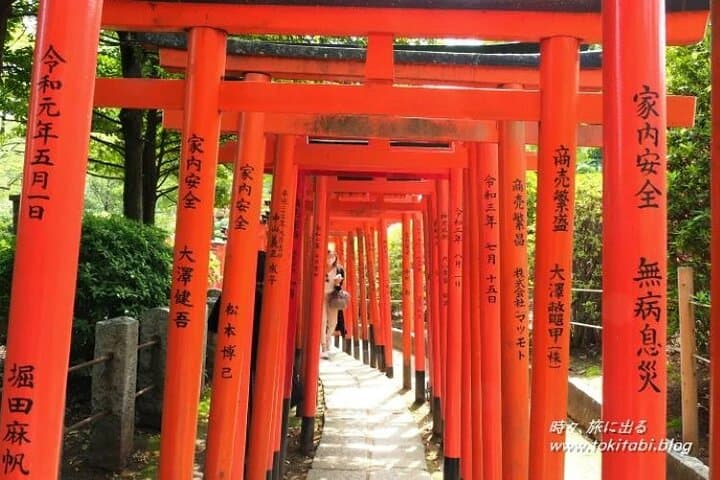
The day threads history and modernity. Edo’s political center became today’s Imperial Palace; Sensoji and older shrines stand where merchants once hawked goods to samurai and townspeople. Tokyo Skytree rises nearby, its steel spine a modern counterpoint to wooden gates and lanterns. Geologically the city sits on an alluvial plain formed by river deltas—flat streets that make long walking days manageable, but also a reminder of seismic forces beneath the surface.
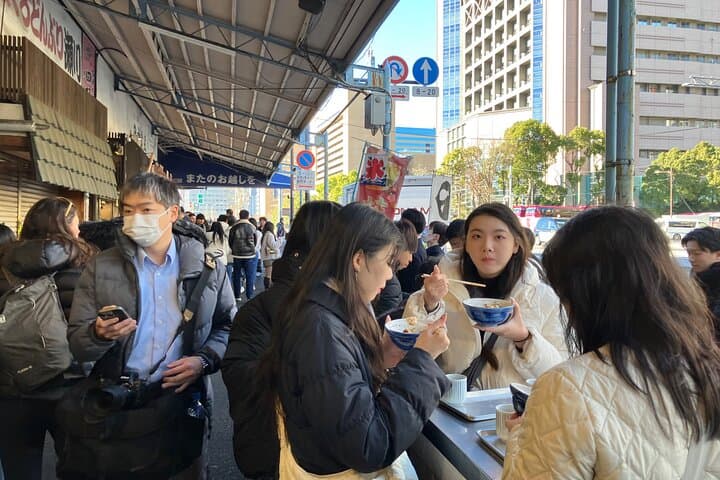
Culturally, expect etiquette as part of the meal: brief bows, quiet queues, and a focus on seasonality in food. Local insights include Ameya Yokocho’s postwar market vibe and Akihabara’s electronics energy—both offering small bites and big flavor.
Practical guidance: the itinerary runs 8–10 hours with significant walking and public-transit transfers; bring a charged phone (for Suica/Pasmo top-ups), cash for small vendors, and note the Skytree admission is included. Pace yourself at food stops, declare allergies in advance, and wear shoes that can handle pavement and the occasional temple step. Timing your tour on a weekday avoids larger weekend crowds and keeps lines moving.
moderate.
8–10 hours.
Moderate fitness—able to walk several miles across mostly flat urban terrain and stand during tastings.
Yes—the itinerary indicates the Skytree observation deck admission fee is included in the tour price.
The operator lists wheelchair-accessible options for transportation and many sites, but accessibility can vary by venue; notify the provider when booking.
Inform the operator in advance—restaurants on the route can accommodate many restrictions if given notice.
Expect significant walking between short stops and multiple subway rides; the Tokyo 1-Day Ticket is provided to streamline public-transit travel.
Modern Tokyo grew from Edo, the seat of the Tokugawa shogunate; many temples and market streets preserve Edo-era routes and merchant culture.
Carry out wrappers and avoid feeding wildlife in ponds; supporting licensed local eateries helps sustain small vendors and reduces food-waste pressure.
Hideyuki tourguide operates guided outdoor trips and adventures with an emphasis on safety, stewardship, and memorable experiences.

Morning light pools along the red brick face of Tokyo Station as your guide gathers the small group—thermos bottles and paper maps traded for a Tokyo 1-Day Ticket and an appetite for the city’s contrasts. You move fast: a subway glide to the Imperial Palace moats, then into the narrow alleys of Asakusa where steam from street stalls fogs your glasses and the scent of grilled skewers dares you to try one more bite.
Morning light pools along the red brick face of Tokyo Station as your guide gathers the small group—thermos bottles and paper maps traded for a Tokyo 1-Day Ticket and an appetite for the city’s contrasts. You move fast: a subway glide to the Imperial Palace moats, then into the narrow alleys of Asakusa where steam from street stalls fogs your glasses and the scent of grilled skewers dares you to try one more bite.
The day threads history and modernity. Edo’s political center became today’s Imperial Palace; Sensoji and older shrines stand where merchants once hawked goods to samurai and townspeople. Tokyo Skytree rises nearby, its steel spine a modern counterpoint to wooden gates and lanterns. Geologically the city sits on an alluvial plain formed by river deltas—flat streets that make long walking days manageable, but also a reminder of seismic forces beneath the surface.
Culturally, expect etiquette as part of the meal: brief bows, quiet queues, and a focus on seasonality in food. Local insights include Ameya Yokocho’s postwar market vibe and Akihabara’s electronics energy—both offering small bites and big flavor.
Practical guidance: the itinerary runs 8–10 hours with significant walking and public-transit transfers; bring a charged phone (for Suica/Pasmo top-ups), cash for small vendors, and note the Skytree admission is included. Pace yourself at food stops, declare allergies in advance, and wear shoes that can handle pavement and the occasional temple step. Timing your tour on a weekday avoids larger weekend crowds and keeps lines moving.