THE ADVENTURE COLLECTIVE® · Independent discovery and booking for outdoor travel

Pair an atmospheric guided walk through Tokyo’s historic neighborhoods with an intimate Noh performance and an eight-course Kaiseki meal at Suigian. This private evening blends walking, history, and refined dining into a single cultural experience.
Pair an atmospheric guided walk through Tokyo’s historic neighborhoods with an intimate Noh performance and an eight-course Kaiseki meal at Suigian. This private evening blends walking, history, and refined dining into a single cultural experience.
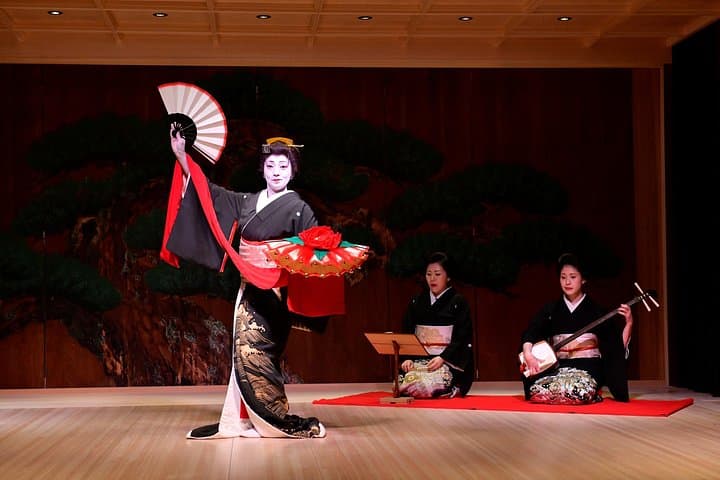
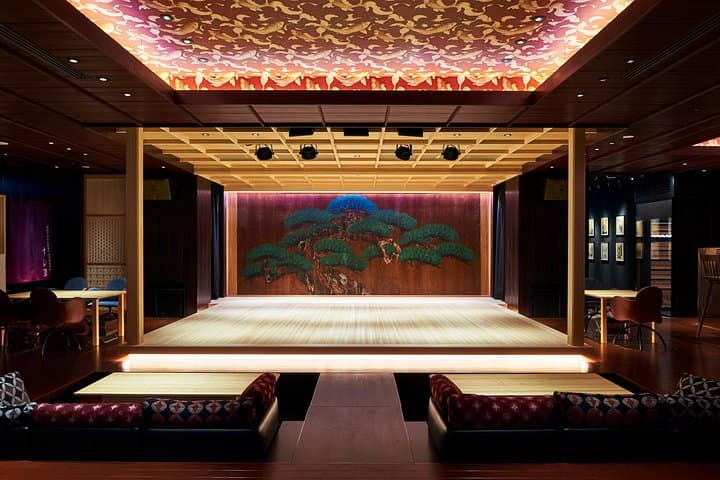
You step off a narrow street in Nihonbashi as paper lanterns begin to glow, footsteps falling in rhythm with the city around you. The guide leads through lanes where modern glass meets Edo-period masonry, then into Suigian’s low-lit room where a wooden Noh stage waits like a held breath. The air carries the scent of dashi and charcoal—an announcement that the Kaiseki sequence and the performance are about to unfold.
Verified experiences and guided adventures in the surrounding area.
Operated by Japan Guide Agency · Tokyo, Tokyo
You step off a narrow street in Nihonbashi as paper lanterns begin to glow, footsteps falling in rhythm with the city around you. The guide leads through lanes where modern glass meets Edo-period masonry, then into Suigian’s low-lit room where a wooden Noh stage waits like a held breath. The air carries the scent of dashi and charcoal—an announcement that the Kaiseki sequence and the performance are about to unfold.
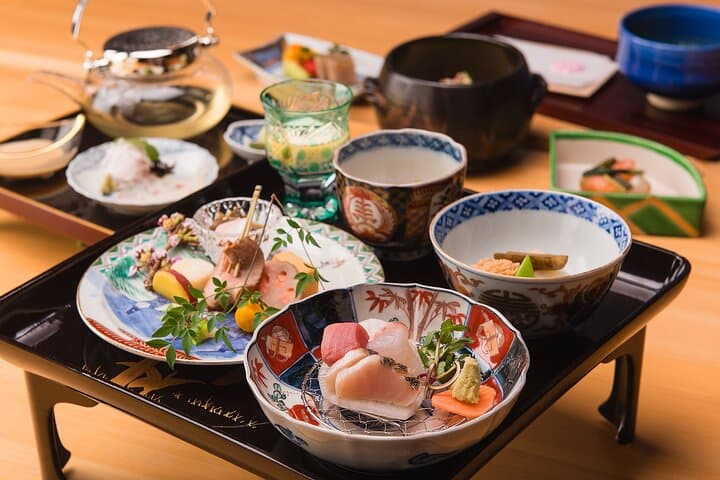
Tokyo’s neighborhoods on this route read like layers of history: Asakusa’s centuries-old Sensoji, the Imperial Palace grounds built on Edo Castle’s stonework, and Meiji-era shrines that preserve Shinto ritual. Kaiseki itself evolved from tea-ceremony cuisine into an eight-course choreography of seasonality and porcelain; Noh, older still, pares drama to gesture and mask. Suigian places both traditions under one roof, offering a compact lesson in Japanese aesthetics and restraint.
Expect a slow-moving evening: a 4-hour guided walk through 2–3 chosen sites, followed by roughly 2 hours at Suigian for the performance and an 8-course Kaiseki dinner. Practicalities matter—arrive hungry but rested, bring cash or card for incidental purchases, and be prepared for formal dining etiquette during the show. Photography of performers may be restricted; quiet and punctuality are part of the experience.
This tour is an accessible cultural immersion—no special skills required—but planning pays off: reserve dietary requests in advance, wear comfortable shoes for city walking, and allow time after dinner for a short stroll along illuminated streets if your evening still has room to roam.
easy.
6 hours.
Suitable for most fitness levels; requires walking on paved city streets for several hours.
The menu follows an 8-course Kaiseki format based on seasonal ingredients; operators can often accommodate dietary restrictions with advance notice.
This tour is designed for ages 13 and up; children must remain seated and quiet during the performance and dinner.
Yes—Noh is highly visual and ritualized; even without language knowledge you can appreciate the movement, masks, and musical pacing.
Public transportation is reliable—use Tokyo Metro or JR lines to the chosen meeting neighborhood; your confirmation will list the exact meeting spot.
The areas visited trace Tokyo’s shift from Edo—seat of the Tokugawa shogunate—to the modern capital; many gardens and shrines preserve landscape designs from the Edo period.
Respect historic sites by staying on paths and avoiding flash photography; small restaurants depend on seasonal fisheries and produce—asking about sourcing supports sustainable choices.
Japan Guide Agency operates guided outdoor trips and adventures with an emphasis on safety, stewardship, and memorable experiences.
You step off a narrow street in Nihonbashi as paper lanterns begin to glow, footsteps falling in rhythm with the city around you. The guide leads through lanes where modern glass meets Edo-period masonry, then into Suigian’s low-lit room where a wooden Noh stage waits like a held breath. The air carries the scent of dashi and charcoal—an announcement that the Kaiseki sequence and the performance are about to unfold.
You step off a narrow street in Nihonbashi as paper lanterns begin to glow, footsteps falling in rhythm with the city around you. The guide leads through lanes where modern glass meets Edo-period masonry, then into Suigian’s low-lit room where a wooden Noh stage waits like a held breath. The air carries the scent of dashi and charcoal—an announcement that the Kaiseki sequence and the performance are about to unfold.
Tokyo’s neighborhoods on this route read like layers of history: Asakusa’s centuries-old Sensoji, the Imperial Palace grounds built on Edo Castle’s stonework, and Meiji-era shrines that preserve Shinto ritual. Kaiseki itself evolved from tea-ceremony cuisine into an eight-course choreography of seasonality and porcelain; Noh, older still, pares drama to gesture and mask. Suigian places both traditions under one roof, offering a compact lesson in Japanese aesthetics and restraint.
Expect a slow-moving evening: a 4-hour guided walk through 2–3 chosen sites, followed by roughly 2 hours at Suigian for the performance and an 8-course Kaiseki dinner. Practicalities matter—arrive hungry but rested, bring cash or card for incidental purchases, and be prepared for formal dining etiquette during the show. Photography of performers may be restricted; quiet and punctuality are part of the experience.
This tour is an accessible cultural immersion—no special skills required—but planning pays off: reserve dietary requests in advance, wear comfortable shoes for city walking, and allow time after dinner for a short stroll along illuminated streets if your evening still has room to roam.