THE ADVENTURE COLLECTIVE® · Independent discovery and booking for outdoor travel

Beat the crowds on a three-hour early-morning walk through Senso-ji, Yasukuni Shrine, and Meiji Shrine. This guided tour pairs quiet ritual, cityscapes, and a forested shrine for a compact cultural primer on Tokyo.
Beat the crowds on a three-hour early-morning walk through Senso-ji, Yasukuni Shrine, and Meiji Shrine. This guided tour pairs quiet ritual, cityscapes, and a forested shrine for a compact cultural primer on Tokyo.
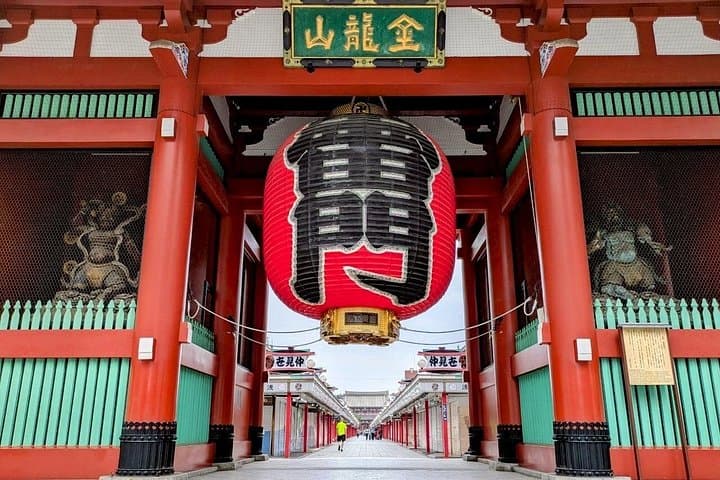
You step into Tokyo before the city wakes: paper lanterns still warm from the night, vending machines sighing steam into cool air, and the scent of incense drifting from Senso-ji’s gate.
Verified experiences and guided adventures in the surrounding area.
Operated by KOTACHAN TRAVEL · Tokyo, Tokyo
You step into Tokyo before the city wakes: paper lanterns still warm from the night, vending machines sighing steam into cool air, and the scent of incense drifting from Senso-ji’s gate.
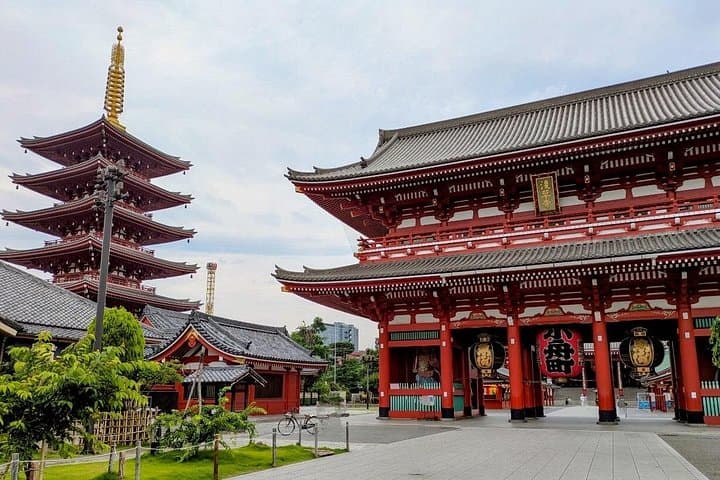
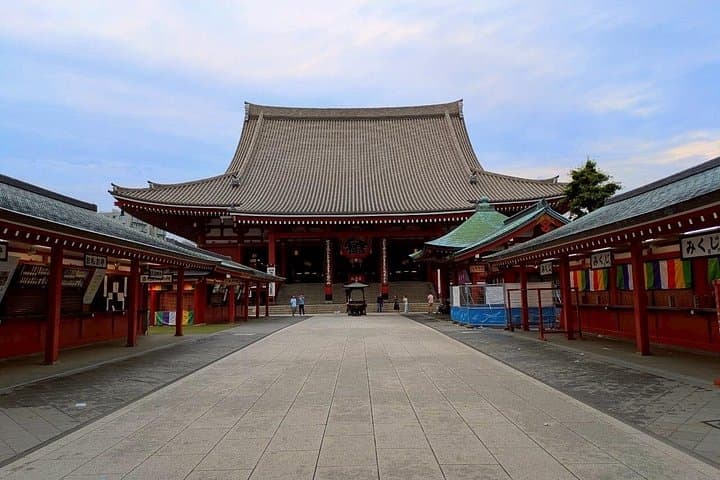
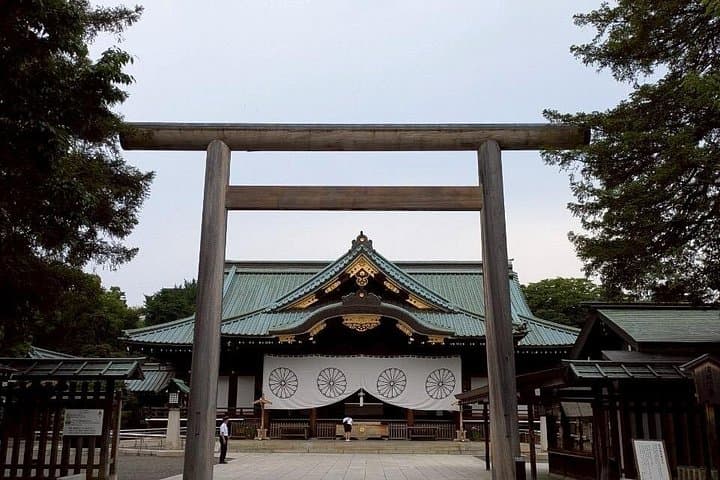
This three-hour, early-morning walk threads through Tokyo’s living history—Asakusa’s temple lanes, the quiet dignity of Yasukuni Shrine, and the cool, dark heart of Meiji Shrine’s forest. Senso-ji dates to the 7th century and offers colorful market approaches and carved guardians; Yasukuni sits on contested ground, honoring the war dead and prompting reflection on modern Japanese identity; Meiji Shrine, consecrated in 1920, protects a planted evergreen grove that feels like a deep exhale inside the city.
Geologically you’re on the low-lying Kanto Plain; the Sumida River cuts across it like a silver seam, daring you to look downstream. Culture here is tactile: bowing at torii, cleansing hands at chozuya, and pausing to watch wooden prayer plaques sway in the breeze.
Practical guidance: meet early to avoid crowds and heat—this tour is timed for dawn calm and efficient transit by subway between sites. Wear broken-in shoes for paved streets and shrine steps; bring a small change of cash for omikuji or snacks. Respect signage: some shrine interiors restrict photography and all are active religious sites. Hydrate before you start and keep a light layer—the meiji forest holds morning chill.
In three hours you’ll leave with neighborhood textures—lanes lined with ceramic shops, silent torii, and a clearer sense of Tokyo’s public rhythms—compact, deliberate, and quietly resilient.
moderate.
3 hours.
Should be comfortable walking 3 hours on paved surfaces with occasional stairs and short subway transfers; moderate fitness recommended.
The exact meeting point is given on booking; it’s typically near the closest subway exit to Senso-ji in Asakusa—use Tobu Skytree Line or Ginza/Asakusa subway lines for the quickest access.
Admissions to these shrines and Senso-ji’s grounds are free; the tour covers guided interpretation but not paid museum entries or private exhibits.
Strollers are allowed, but there are steps and uneven pavement at some sites; travelers with limited mobility should contact the operator to confirm route accessibility.
Photography is allowed in most outer areas, but some inner spaces and ceremonies restrict photos—follow your guide’s instructions and posted signs.
Senso-ji is Tokyo’s oldest temple, founded in the early 7th century; Meiji Shrine was completed in 1920 to honor Emperor Meiji and Empress Shoken, while Yasukuni commemorates those who died in service to Japan.
Meiji Shrine’s dense planted forest is an intentional urban conservation effort—stay on paths and avoid disturbing plantings; carry out trash and follow local rules to protect these sacred green spaces.
KOTACHAN TRAVEL operates guided outdoor trips and adventures with an emphasis on safety, stewardship, and memorable experiences.
You step into Tokyo before the city wakes: paper lanterns still warm from the night, vending machines sighing steam into cool air, and the scent of incense drifting from Senso-ji’s gate.
You step into Tokyo before the city wakes: paper lanterns still warm from the night, vending machines sighing steam into cool air, and the scent of incense drifting from Senso-ji’s gate.
This three-hour, early-morning walk threads through Tokyo’s living history—Asakusa’s temple lanes, the quiet dignity of Yasukuni Shrine, and the cool, dark heart of Meiji Shrine’s forest. Senso-ji dates to the 7th century and offers colorful market approaches and carved guardians; Yasukuni sits on contested ground, honoring the war dead and prompting reflection on modern Japanese identity; Meiji Shrine, consecrated in 1920, protects a planted evergreen grove that feels like a deep exhale inside the city.
Geologically you’re on the low-lying Kanto Plain; the Sumida River cuts across it like a silver seam, daring you to look downstream. Culture here is tactile: bowing at torii, cleansing hands at chozuya, and pausing to watch wooden prayer plaques sway in the breeze.
Practical guidance: meet early to avoid crowds and heat—this tour is timed for dawn calm and efficient transit by subway between sites. Wear broken-in shoes for paved streets and shrine steps; bring a small change of cash for omikuji or snacks. Respect signage: some shrine interiors restrict photography and all are active religious sites. Hydrate before you start and keep a light layer—the meiji forest holds morning chill.
In three hours you’ll leave with neighborhood textures—lanes lined with ceramic shops, silent torii, and a clearer sense of Tokyo’s public rhythms—compact, deliberate, and quietly resilient.