THE ADVENTURE COLLECTIVE® · Independent discovery and booking for outdoor travel

A full-day loop from Tokyo that pairs Mt. Fuji viewpoints with Hakone’s volcanic scenery—ride the ropeway, sample Owakudani’s black eggs, cruise Lake Ashi and return by Shinkansen. Fast-paced, scenic, and heavily weather-dependent.
A full-day loop from Tokyo that pairs Mt. Fuji viewpoints with Hakone’s volcanic scenery—ride the ropeway, sample Owakudani’s black eggs, cruise Lake Ashi and return by Shinkansen. Fast-paced, scenic, and heavily weather-dependent.
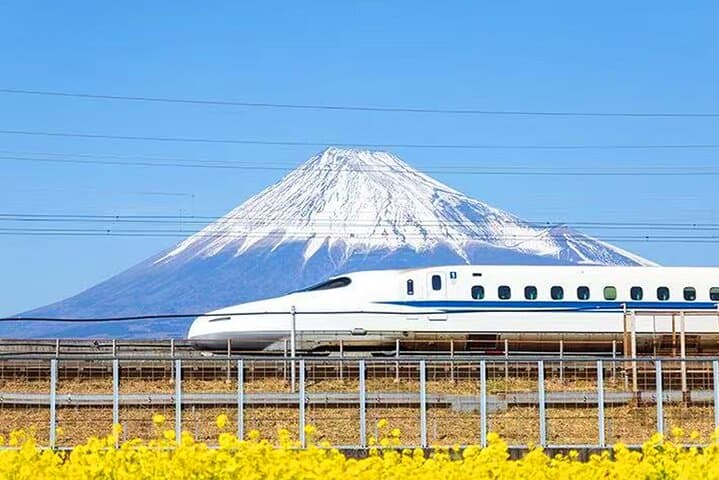
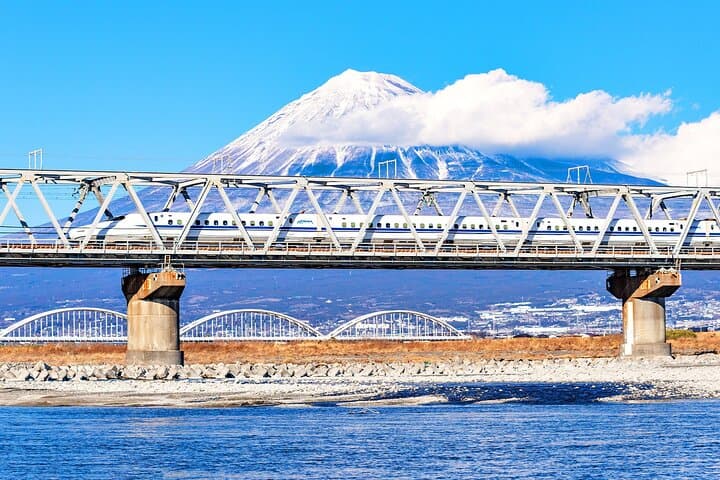
You board a coach in Shinjuku before the city slips away and the highway turns into the rolling foothills beneath Japan’s most iconic peak. Morning light picks out Mount Fuji’s cone as you climb to the Fifth Station or, in winter, trace its story through the World Heritage Center—either way the mountain announces itself in sudden, clear lines.
Verified experiences and guided adventures in the surrounding area.
Operated by Hotel Takitei · Tokyo, Tokyo
You board a coach in Shinjuku before the city slips away and the highway turns into the rolling foothills beneath Japan’s most iconic peak. Morning light picks out Mount Fuji’s cone as you climb to the Fifth Station or, in winter, trace its story through the World Heritage Center—either way the mountain announces itself in sudden, clear lines.
This corridor between Tokyo and Hakone is layered with volcanic history. Mt. Fuji’s stratified flanks were formed over millennia by alternating eruptions and lava flows; Owakudani is more recent, a steam-scarred valley where geothermal vents still shape the ground and yield the famous kuro-tamago, the black eggs boiled in sulfuric springs. Lake Ashi sits in a collapsed caldera, its sheltered waters crossed historically by pilgrims and now by tourist ships that frame Fuji’s silhouette.
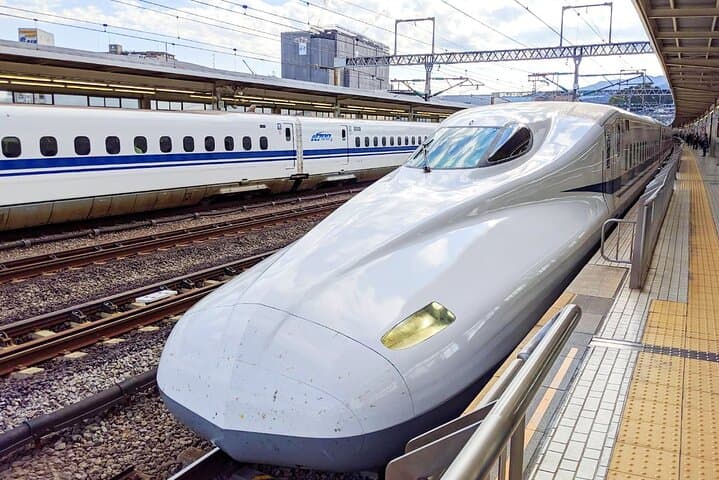
Expect quick, concentrated encounters rather than a slow wilderness trek: short walks at altitude, cable-car ascents, a lakeside cruise and a brisk rail return on the Shinkansen. Practically, visibility is the variable—Fuji can vanish in cloud—so build flexibility into your schedule. Carry layers for wind and elevation, some yen for small vendors, and comfortable shoes for short uneven trails. If you want clearer views, choose spring or autumn mornings outside peak holiday windows. The trip is an efficient primer on Japan’s geology and scenic culture—one long, vivid day that moves you from urban Tokyo to volcanic steam and back on a 40‑minute bullet train.
moderate.
10 hours.
Light to moderate fitness—suitable for people comfortable with short uphill walks and standing for viewing points.
No—visibility depends on weather and season; clear mornings in winter and fall are most reliable. The itinerary includes alternative visits (World Heritage Center) when the Fifth Station is inaccessible.
The tour includes the Hakone cable car and admission-related fees; the guide handles ticket purchases for the Shinkansen (non-reserved seating) but will not accompany you on the train.
Yes—this tour is classified as easy in terms of exertion, with only short walks; infants must sit on laps and strollers are accommodated when practical.
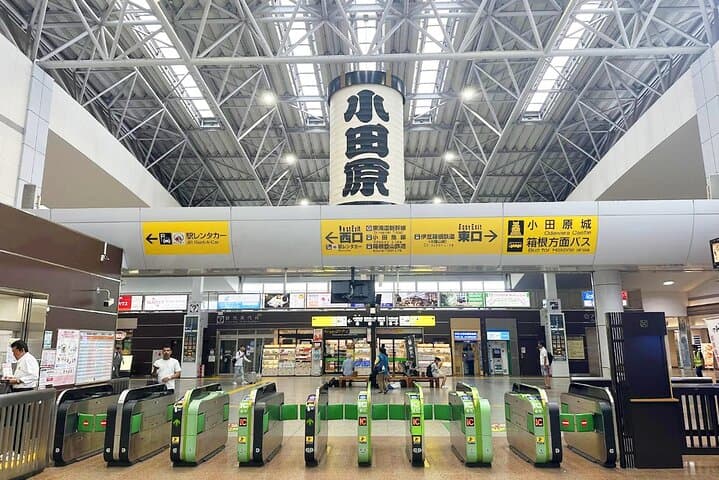
About 40 minutes from Odawara to Tokyo; there are typically two Shinkansen departures per hour, and seats are non-reserved.
Mt. Fuji has been a spiritual and artistic symbol in Japan for centuries; Hakone served as a strategic post on historic Tokaido routes connecting Edo (Tokyo) and Kyoto.
High visitor volumes stress fragile alpine flora and geothermal features; stick to marked paths, avoid collecting natural materials, and follow local signage to minimize impact.
Hotel Takitei operates guided outdoor trips and adventures with an emphasis on safety, stewardship, and memorable experiences.
You board a coach in Shinjuku before the city slips away and the highway turns into the rolling foothills beneath Japan’s most iconic peak. Morning light picks out Mount Fuji’s cone as you climb to the Fifth Station or, in winter, trace its story through the World Heritage Center—either way the mountain announces itself in sudden, clear lines.
You board a coach in Shinjuku before the city slips away and the highway turns into the rolling foothills beneath Japan’s most iconic peak. Morning light picks out Mount Fuji’s cone as you climb to the Fifth Station or, in winter, trace its story through the World Heritage Center—either way the mountain announces itself in sudden, clear lines.
This corridor between Tokyo and Hakone is layered with volcanic history. Mt. Fuji’s stratified flanks were formed over millennia by alternating eruptions and lava flows; Owakudani is more recent, a steam-scarred valley where geothermal vents still shape the ground and yield the famous kuro-tamago, the black eggs boiled in sulfuric springs. Lake Ashi sits in a collapsed caldera, its sheltered waters crossed historically by pilgrims and now by tourist ships that frame Fuji’s silhouette.
Expect quick, concentrated encounters rather than a slow wilderness trek: short walks at altitude, cable-car ascents, a lakeside cruise and a brisk rail return on the Shinkansen. Practically, visibility is the variable—Fuji can vanish in cloud—so build flexibility into your schedule. Carry layers for wind and elevation, some yen for small vendors, and comfortable shoes for short uneven trails. If you want clearer views, choose spring or autumn mornings outside peak holiday windows. The trip is an efficient primer on Japan’s geology and scenic culture—one long, vivid day that moves you from urban Tokyo to volcanic steam and back on a 40‑minute bullet train.