THE ADVENTURE COLLECTIVE® · Independent discovery and booking for outdoor travel

Step into a Tokyo studio and become a living portrait: choose from kimonos, Lolita gowns or Gothic looks, receive professional hair and makeup, and leave with retouched digital images. This guide explains what to expect, how to prepare, and practical tips for timing and outfit choices.
Step into a Tokyo studio and become a living portrait: choose from kimonos, Lolita gowns or Gothic looks, receive professional hair and makeup, and leave with retouched digital images. This guide explains what to expect, how to prepare, and practical tips for timing and outfit choices.
Morning light filters through a studio window as a rack of silks and lace quietly waits — kimono silk cool to the touch, Lolita skirts puffed on crinolines, and Gothic corsetry hanging like armor. The experience places participants in a controlled theatrical space where costume, hair and camera work together to craft an image rather than just a snapshot.
Verified experiences and guided adventures in the surrounding area.
Operated by 株式会社Japanticket · Tokyo, Tokyo
Morning light filters through a studio window as a rack of silks and lace quietly waits — kimono silk cool to the touch, Lolita skirts puffed on crinolines, and Gothic corsetry hanging like armor. The experience places participants in a controlled theatrical space where costume, hair and camera work together to craft an image rather than just a snapshot.
Tokyo’s photographic culture traces back to the Meiji era when portrait studios popularized modern images of traditional dress; today, studios sit where neighborhoods evolved from Edo alleys to bustling commercial wards. Geology and city-planning shape the feel — the flat Kanto Plain and proximity to Tokyo Bay keep seaside humidity in summer, while narrow streets and older districts offer authentic backdrops for period-style shoots. Culturally, dressing in kimono or alternative fashion is both a creative performance and an engagement with Japanese sartorial history.
Practical guidance: choose a course length that fits your goals — 3 hours for a single look, up to 7 for multi-person, multi-outfit shoots. Arrive with clean skin and simple base layers to speed makeup; bring any reference photos. Expect professional hair and makeup, wig options, and digital retouched files included in packages; studio staff will guide posing but bringing ideas helps. If you plan location shots, check permits and timing around busy shrines or parks.
This is a deliberately staged, low-impact creative session: it emphasizes costume care, cultural respect, and leaving public locations as you found them. For first-timers, the studio environment is beginner-friendly yet exacting — a place to transform for a few hours and walk away with polished digital images.
easy.
3–7 hours.
Suitable for all fitness levels; mainly standing and sitting during styling and shooting
Yes — studios typically welcome men and children with appropriately sized outfits and tailored styling options.
Packages vary by course: expect 2–15 retouched digital photos depending on the selected plan.
No — most studios provide a wide selection of wigs and accessories, though you can bring personal items for a custom touch.
Full refunds are generally available if you cancel at least 24 hours before the scheduled time; check the studio’s specific terms when booking.
Portrait studios in Tokyo evolved from Meiji-era ateliers that mixed Western photographic techniques with traditional Japanese dress, influencing modern costume photography.
Choose studios that practice costume care and respectful handling; when shooting in public, follow local rules and minimize disruption to neighborhoods and historic sites.
株式会社Japanticket operates guided outdoor trips and adventures with an emphasis on safety, stewardship, and memorable experiences.
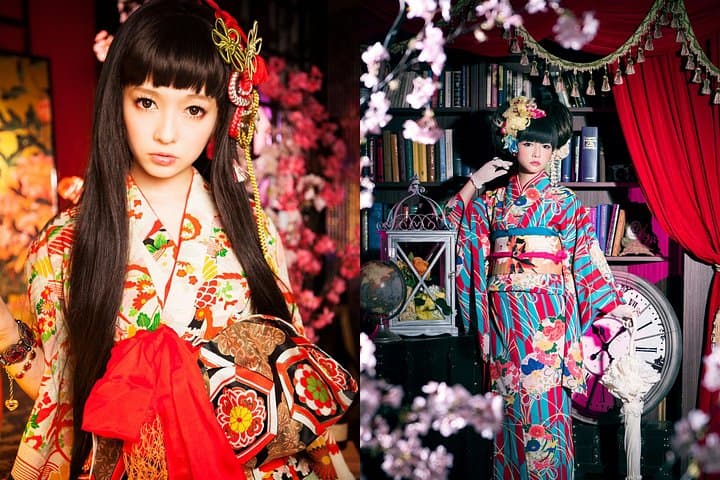
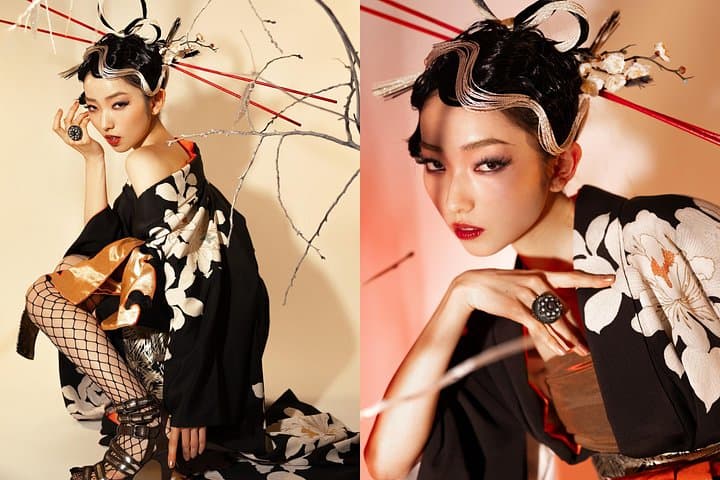
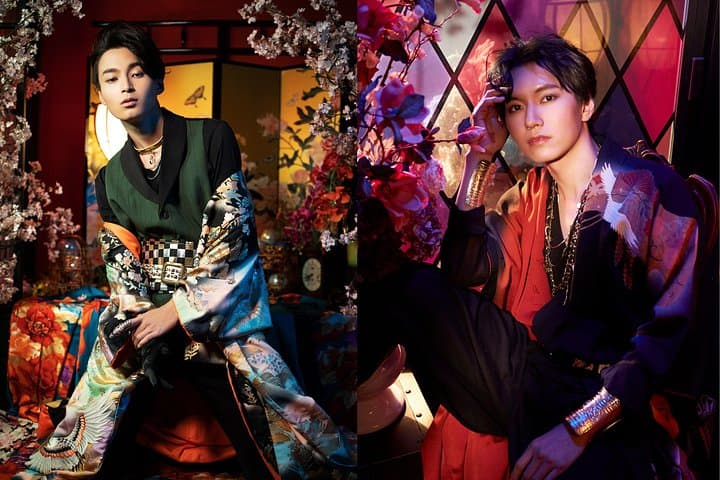
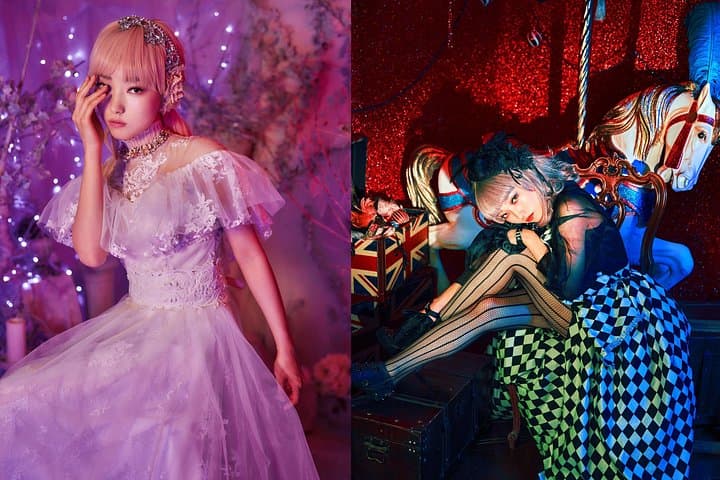
Morning light filters through a studio window as a rack of silks and lace quietly waits — kimono silk cool to the touch, Lolita skirts puffed on crinolines, and Gothic corsetry hanging like armor. The experience places participants in a controlled theatrical space where costume, hair and camera work together to craft an image rather than just a snapshot.
Morning light filters through a studio window as a rack of silks and lace quietly waits — kimono silk cool to the touch, Lolita skirts puffed on crinolines, and Gothic corsetry hanging like armor. The experience places participants in a controlled theatrical space where costume, hair and camera work together to craft an image rather than just a snapshot.
Tokyo’s photographic culture traces back to the Meiji era when portrait studios popularized modern images of traditional dress; today, studios sit where neighborhoods evolved from Edo alleys to bustling commercial wards. Geology and city-planning shape the feel — the flat Kanto Plain and proximity to Tokyo Bay keep seaside humidity in summer, while narrow streets and older districts offer authentic backdrops for period-style shoots. Culturally, dressing in kimono or alternative fashion is both a creative performance and an engagement with Japanese sartorial history.
Practical guidance: choose a course length that fits your goals — 3 hours for a single look, up to 7 for multi-person, multi-outfit shoots. Arrive with clean skin and simple base layers to speed makeup; bring any reference photos. Expect professional hair and makeup, wig options, and digital retouched files included in packages; studio staff will guide posing but bringing ideas helps. If you plan location shots, check permits and timing around busy shrines or parks.
This is a deliberately staged, low-impact creative session: it emphasizes costume care, cultural respect, and leaving public locations as you found them. For first-timers, the studio environment is beginner-friendly yet exacting — a place to transform for a few hours and walk away with polished digital images.