THE ADVENTURE COLLECTIVE® · Independent discovery and booking for outdoor travel

Ascend to Mori Tower’s 52nd floor for sweeping 360-degree views of Tokyo—Tokyo Tower, Skytree and Tokyo Bay all come into view. Plan 60–120 minutes, bring ID and a mobile ticket, and time your visit for sunset or a clear morning for the best sightlines.
Ascend to Mori Tower’s 52nd floor for sweeping 360-degree views of Tokyo—Tokyo Tower, Skytree and Tokyo Bay all come into view. Plan 60–120 minutes, bring ID and a mobile ticket, and time your visit for sunset or a clear morning for the best sightlines.
At 250 meters above sea level the city loosens into geometry: roads thread like veins, neon panels blink stories, and the Sumida River pushes toward Tokyo Bay. Step into Tokyo City View on the 52nd floor of Mori Tower and the metropolis folds into a 360-degree panorama through a continuous glass curtain—Tokyo Tower points south, Skytree rises to the east, and Odaiba’s reclaimed islands float in the harbor’s silver.
Verified experiences and guided adventures in the surrounding area.
Operated by Royal Smart Tourism · Tokyo, Tokyo
At 250 meters above sea level the city loosens into geometry: roads thread like veins, neon panels blink stories, and the Sumida River pushes toward Tokyo Bay. Step into Tokyo City View on the 52nd floor of Mori Tower and the metropolis folds into a 360-degree panorama through a continuous glass curtain—Tokyo Tower points south, Skytree rises to the east, and Odaiba’s reclaimed islands float in the harbor’s silver.
Roppongi Hills, opened in 2003 by Mori Building, transformed a quiet district into a cultural spine anchored by business, residences and the Mori Art Museum. The observation deck sits at the intersection of contemporary architecture and rotating exhibitions; exhibit construction can alter sightlines, so check notices before you go. Geologically the vista looks over the Kanto Plain and Tokyo Bay, landscapes formed by alluvial deposits and decades of coastal reclamation.
Plan 60–120 minutes for a relaxed visit. Indoor viewing is the default, but when weather allows a Sky Deck offers open-air perspective. Mobile e-tickets and valid photo ID are required at entry; strollers are permitted but infants must sit on laps. The deck is busiest at sunset—arrive early for clearer sightlines and a chance to spot Mount Fuji on very clear days. Facilities in the Roppongi Hills complex include cafés and restrooms; elevators provide fast access. Bring a camera with a polarizer to cut window glare, a light layer for evening breezes on the Sky Deck, and rely on public transit to avoid hunting for parking. The experience is urban, immediate, and most rewarding when timed for light and weather.
easy.
1–2 hours.
Minimal physical fitness required; short walk and elevators to the deck.
Most visitors spend 60–120 minutes—longer if you combine the deck with the Mori Art Museum or dining in the complex.
All sales are final per the booking policy; if the operator cancels for weather you may receive a cancellation notice.
Strollers can access the facility and infants must sit on laps; elevators provide access—check with the operator for specific wheelchair assistance needs.
Mount Fuji is visible only on very clear days, usually in winter or early spring when the air is crisp; visibility is never guaranteed.
Roppongi Hills opened in 2003 as a mixed-use redevelopment by Mori Building; the Mori Tower and Mori Art Museum refocused the neighborhood around culture, commerce and high-rise living.
Favor public transit to reduce congestion and light pollution; the observatory and museum run public-awareness programs—respect signage and stay on permitted areas to minimize wear on the site.
Royal Smart Tourism operates guided outdoor trips and adventures with an emphasis on safety, stewardship, and memorable experiences.
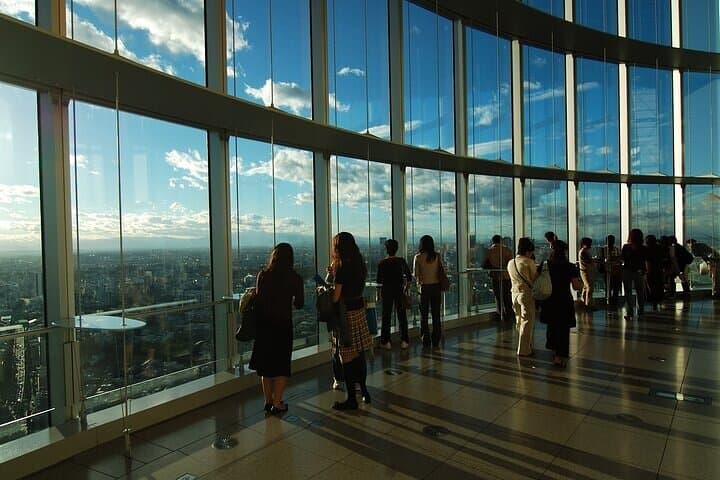
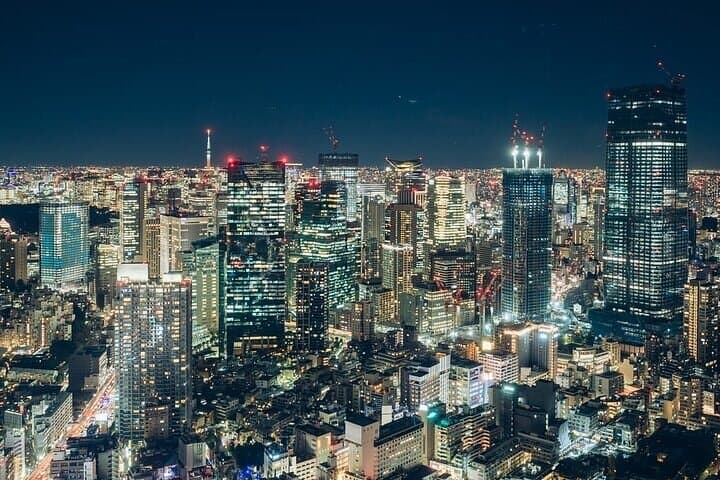
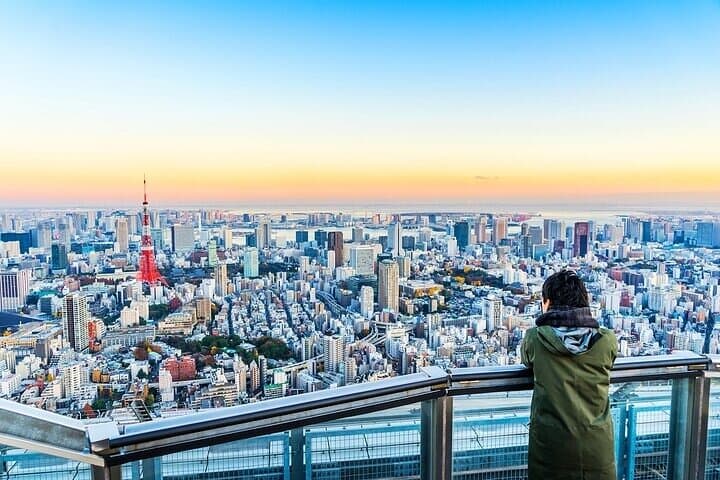
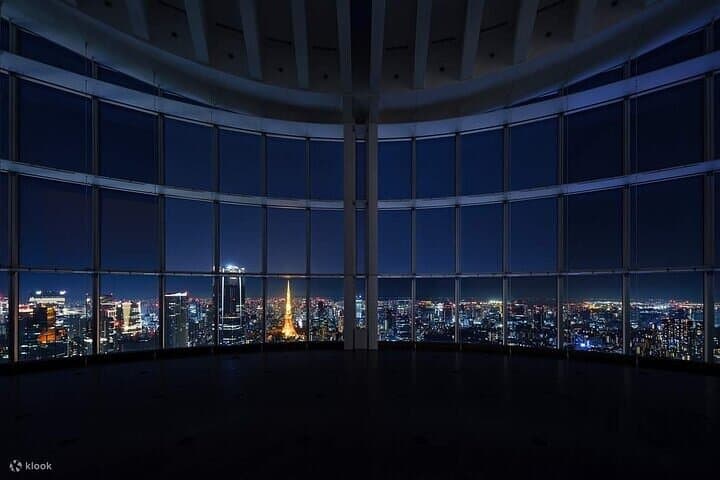
At 250 meters above sea level the city loosens into geometry: roads thread like veins, neon panels blink stories, and the Sumida River pushes toward Tokyo Bay. Step into Tokyo City View on the 52nd floor of Mori Tower and the metropolis folds into a 360-degree panorama through a continuous glass curtain—Tokyo Tower points south, Skytree rises to the east, and Odaiba’s reclaimed islands float in the harbor’s silver.
At 250 meters above sea level the city loosens into geometry: roads thread like veins, neon panels blink stories, and the Sumida River pushes toward Tokyo Bay. Step into Tokyo City View on the 52nd floor of Mori Tower and the metropolis folds into a 360-degree panorama through a continuous glass curtain—Tokyo Tower points south, Skytree rises to the east, and Odaiba’s reclaimed islands float in the harbor’s silver.
Roppongi Hills, opened in 2003 by Mori Building, transformed a quiet district into a cultural spine anchored by business, residences and the Mori Art Museum. The observation deck sits at the intersection of contemporary architecture and rotating exhibitions; exhibit construction can alter sightlines, so check notices before you go. Geologically the vista looks over the Kanto Plain and Tokyo Bay, landscapes formed by alluvial deposits and decades of coastal reclamation.
Plan 60–120 minutes for a relaxed visit. Indoor viewing is the default, but when weather allows a Sky Deck offers open-air perspective. Mobile e-tickets and valid photo ID are required at entry; strollers are permitted but infants must sit on laps. The deck is busiest at sunset—arrive early for clearer sightlines and a chance to spot Mount Fuji on very clear days. Facilities in the Roppongi Hills complex include cafés and restrooms; elevators provide fast access. Bring a camera with a polarizer to cut window glare, a light layer for evening breezes on the Sky Deck, and rely on public transit to avoid hunting for parking. The experience is urban, immediate, and most rewarding when timed for light and weather.