THE ADVENTURE COLLECTIVE® · Independent discovery and booking for outdoor travel

Experience Tokyo’s prime cherry blossom spots with a private car and an included kaiseki dinner at a famed Tsukiji restaurant. This 4–5 hour tour combines garden history, temple architecture, and seasonal dining for a compact spring experience.
Experience Tokyo’s prime cherry blossom spots with a private car and an included kaiseki dinner at a famed Tsukiji restaurant. This 4–5 hour tour combines garden history, temple architecture, and seasonal dining for a compact spring experience.
A river of petals threads through central Tokyo as the tour vehicle drops you near Yaesu Sakura Dori and the Meguro canals—blossoms arch overhead like a seasonal canopy daring you to slow down. The drive moves through pockets of spring: a temple roof, manicured hedges, and then the gate of Hama‑Rikyu, where a formal garden laid out in the Edo period waits beside tidal waters.
Verified experiences and guided adventures in the surrounding area.
Operated by 株式会社Japanticket · Tokyo, Tokyo
A river of petals threads through central Tokyo as the tour vehicle drops you near Yaesu Sakura Dori and the Meguro canals—blossoms arch overhead like a seasonal canopy daring you to slow down. The drive moves through pockets of spring: a temple roof, manicured hedges, and then the gate of Hama‑Rikyu, where a formal garden laid out in the Edo period waits beside tidal waters.
Hama‑Rikyu Gardens began as a feudal hunting and duck‑shooting ground for the shogunate; its reclaimed shoreline and seawater pond reveal Tokyo’s geological history of bay fill and shifting tides. Scattered Somei Yoshino and yaezakura varieties paint the walkways pale pink; the Tsukiji Honganji offers a contrasting architectural note, and smaller streets like Yaesu Sakura Dori give a local pulse between the monuments.
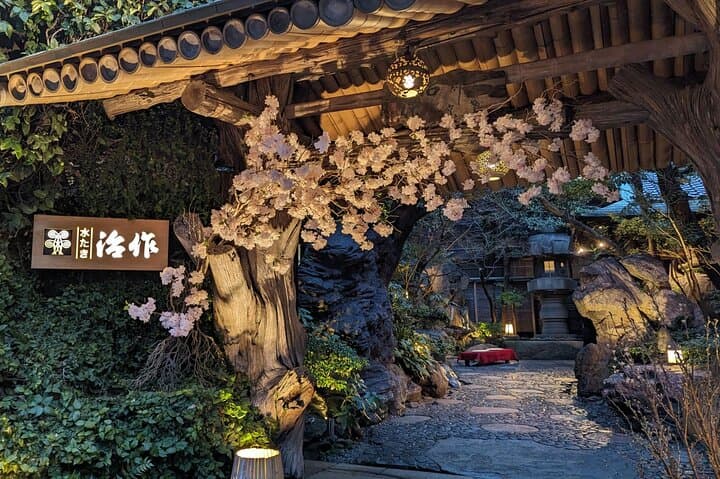
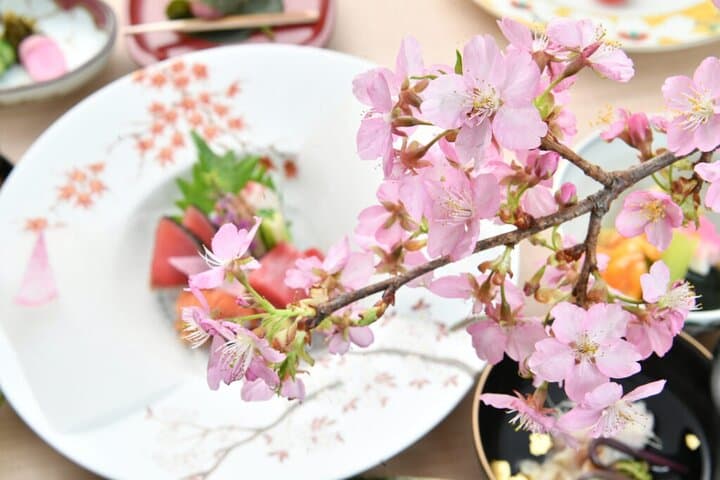
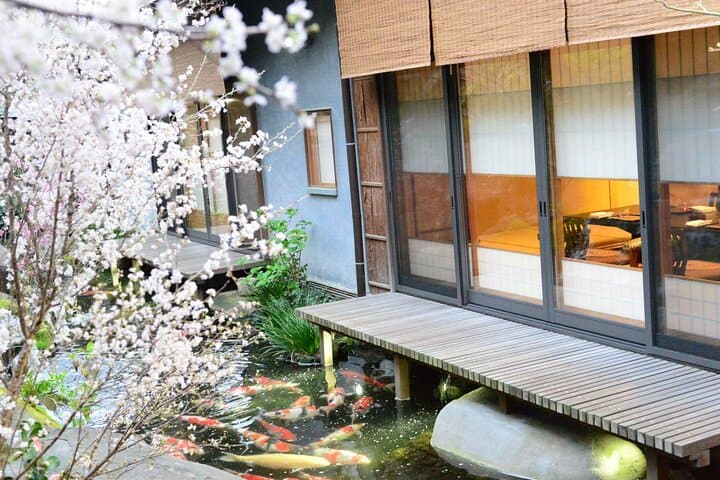
Culturally, the day pairs hanami — the short window of cherry blossom viewing — with a modern kaiseki dinner, rooted in seasonal presentation. Expect a brisk, photo‑ready pace between stops and a long dinner at Tsukiji Jisaku with views of a private garden illuminated by blossoms.
Practical guidance: plan for a 4–5 hour window, arrive with light layers and good walking shoes, and keep cash for small purchases. If you travel at peak bloom (late March–early April), book early to avoid crowds and allow extra time for photography. The included Hama‑Rikyu ticket and an English or Chinese‑speaking driver simplify logistics, so most of the day can be spent watching petals fall and tasting spring on the plate.
easy.
4–5 hours.
Low; participants should be able to walk short distances and stand for photo stops.
Yes—private, air‑conditioned vehicle transport with an English or Chinese speaking driver is included for the duration of the tour.
The Hama‑Rikyu Gardens entrance ticket is included; other attraction fees are listed in the itinerary if applicable.
Yes—participants can request adjustments to cherry blossom stops within the tour’s time window, subject to traffic and timing constraints.
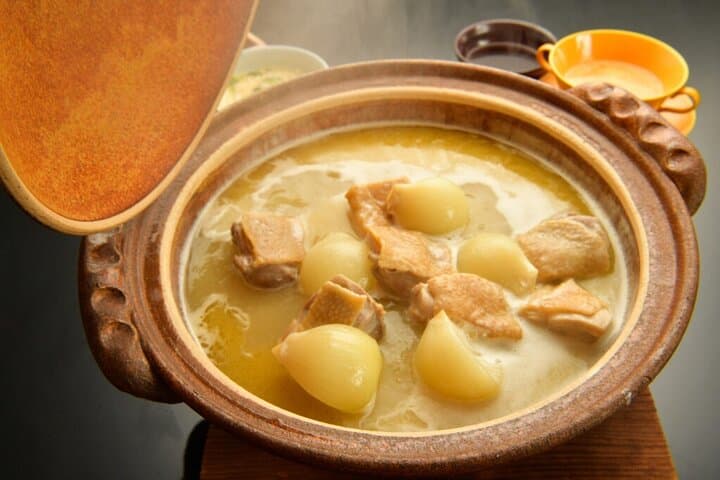
The tour lists a specialty chicken hot pot; inform the operator of allergies or dietary needs at booking so accommodations can be arranged.
Hama‑Rikyu was part of the shogunate’s Edo‑period estate; its seawater pond and teahouses reflect land‑reclamation and leisure practices of that era.
Respect hanami etiquette—don’t pick blossoms or sit directly under fragile trees; follow garden rules and minimize single‑use plastics during visits.
株式会社Japanticket operates guided outdoor trips and adventures with an emphasis on safety, stewardship, and memorable experiences.
A river of petals threads through central Tokyo as the tour vehicle drops you near Yaesu Sakura Dori and the Meguro canals—blossoms arch overhead like a seasonal canopy daring you to slow down. The drive moves through pockets of spring: a temple roof, manicured hedges, and then the gate of Hama‑Rikyu, where a formal garden laid out in the Edo period waits beside tidal waters.
A river of petals threads through central Tokyo as the tour vehicle drops you near Yaesu Sakura Dori and the Meguro canals—blossoms arch overhead like a seasonal canopy daring you to slow down. The drive moves through pockets of spring: a temple roof, manicured hedges, and then the gate of Hama‑Rikyu, where a formal garden laid out in the Edo period waits beside tidal waters.
Hama‑Rikyu Gardens began as a feudal hunting and duck‑shooting ground for the shogunate; its reclaimed shoreline and seawater pond reveal Tokyo’s geological history of bay fill and shifting tides. Scattered Somei Yoshino and yaezakura varieties paint the walkways pale pink; the Tsukiji Honganji offers a contrasting architectural note, and smaller streets like Yaesu Sakura Dori give a local pulse between the monuments.
Culturally, the day pairs hanami — the short window of cherry blossom viewing — with a modern kaiseki dinner, rooted in seasonal presentation. Expect a brisk, photo‑ready pace between stops and a long dinner at Tsukiji Jisaku with views of a private garden illuminated by blossoms.
Practical guidance: plan for a 4–5 hour window, arrive with light layers and good walking shoes, and keep cash for small purchases. If you travel at peak bloom (late March–early April), book early to avoid crowds and allow extra time for photography. The included Hama‑Rikyu ticket and an English or Chinese‑speaking driver simplify logistics, so most of the day can be spent watching petals fall and tasting spring on the plate.