THE ADVENTURE COLLECTIVE® · Independent discovery and booking for outdoor travel

Cycle from Tsukiji’s market lanes to Odaiba’s waterfront on an assisted e-bike, catching hidden shrines, the Gundam statue and a waterfront sunset. This three-hour guided loop blends local history with easy urban riding and photo-ready night views.
Cycle from Tsukiji’s market lanes to Odaiba’s waterfront on an assisted e-bike, catching hidden shrines, the Gundam statue and a waterfront sunset. This three-hour guided loop blends local history with easy urban riding and photo-ready night views.
The tour kicks off in the humid swirl of Tsukiji’s outer market — the air thick with grilled fish, diesel and city energy — and you mount an E-bike that almost feels like a whisper when you push off.
Verified experiences and guided adventures in the surrounding area.
Operated by Japan Wonder Travel · Tokyo, Tokyo
The tour kicks off in the humid swirl of Tsukiji’s outer market — the air thick with grilled fish, diesel and city energy — and you mount an E-bike that almost feels like a whisper when you push off.
You roll through narrow lanes past a 1646 shrine and a tucked-away Tendai Jizoson temple the guide points out, then follow the waterfront where reclaimed land and steel bridges frame the skyline. Tokyo Skytree rises like a radio mast across the river while the futuristic profile of Tokyo Big Sight and the 19.7m Gundam statue signal the approach to Odaiba. The tide and trains keep their own tempo; the bay breeze dares you forward as the light cools.
This route threads history and urban geology: Tsukiji’s fish market culture, Meiji- to Showa-era docklands reshaped by post-war land reclamation, and Odaiba’s late-20th century development for exhibitions and recreation.
Practicalities sit close to the narrative. Expect 12–15 km of mostly flat, paved riding with short walking sections at viewpoints; total elevation gain is negligible. Stops include a small shrine (15 minutes), a hidden temple, Tokyo Big Sight (photo stop) and Aqua City Odaiba for sunset views and a snack chosen by your guide. Guides provide helmets, E-bikes, snacks and optional knapsacks; gloves come in winter.
Plan to arrive 15 minutes early for the briefing, wear closed-toe shoes and layers for the evening wind. Traffic and pedestrian bridges can slow the return; lights and reflective clothing improve safety on dusk rides.
easy.
3 hours.
Suitable for people in basic cardio shape who can sit and steer for ~90 minutes of riding with short standing breaks; E-bike assist reduces physical strain.
Participants must be 13 or older; riders under 147 cm (4.82 ft) are not allowed for safety and fit reasons.
Plan on about 12–15 km of mostly flat, paved riding with minimal elevation gain—the route includes short stops and photo breaks.
Yes—helmets and E-bikes are provided, and the guide fits equipment during the pre-ride briefing; gloves are offered in winter.
Tours may be canceled for safety in bad weather; you’ll be offered an indoor alternative, a reschedule or a full refund if canceled by the operator.
Tsukiji grew as Tokyo’s fish trade hub for decades before wholesale functions moved; Odaiba is largely reclaimed land developed in the late 20th century for exhibitions and leisure.
Keep to bike lanes and avoid leaving litter—Tokyo’s waterfronts are managed closely and volunteer cleanup efforts are common; minimizing single-use plastics helps the bay ecosystem.
Japan Wonder Travel operates guided outdoor trips and adventures with an emphasis on safety, stewardship, and memorable experiences.
The tour kicks off in the humid swirl of Tsukiji’s outer market — the air thick with grilled fish, diesel and city energy — and you mount an E-bike that almost feels like a whisper when you push off.
The tour kicks off in the humid swirl of Tsukiji’s outer market — the air thick with grilled fish, diesel and city energy — and you mount an E-bike that almost feels like a whisper when you push off.
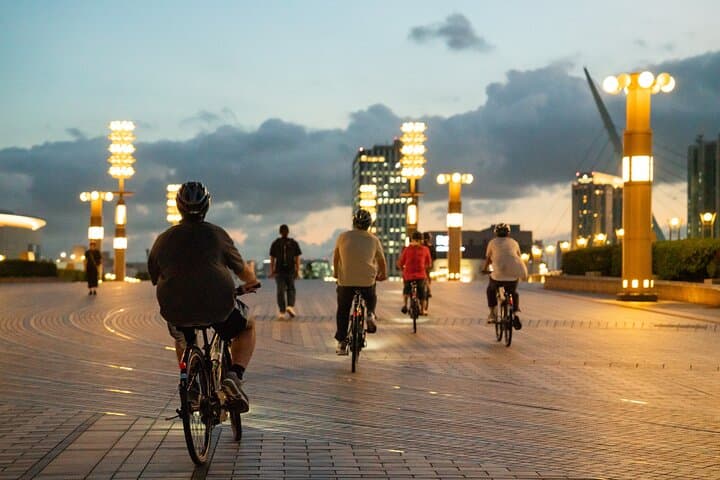
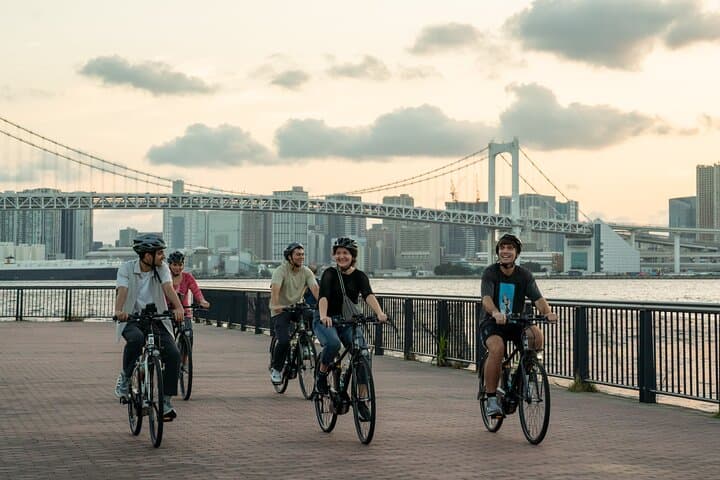
You roll through narrow lanes past a 1646 shrine and a tucked-away Tendai Jizoson temple the guide points out, then follow the waterfront where reclaimed land and steel bridges frame the skyline. Tokyo Skytree rises like a radio mast across the river while the futuristic profile of Tokyo Big Sight and the 19.7m Gundam statue signal the approach to Odaiba. The tide and trains keep their own tempo; the bay breeze dares you forward as the light cools.
This route threads history and urban geology: Tsukiji’s fish market culture, Meiji- to Showa-era docklands reshaped by post-war land reclamation, and Odaiba’s late-20th century development for exhibitions and recreation.
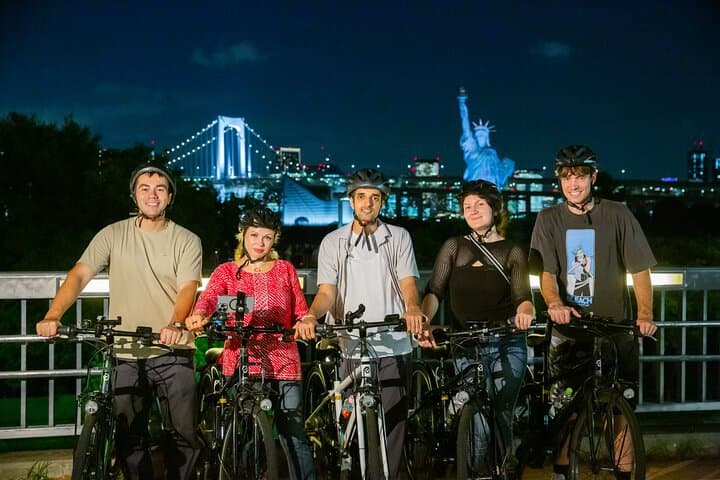
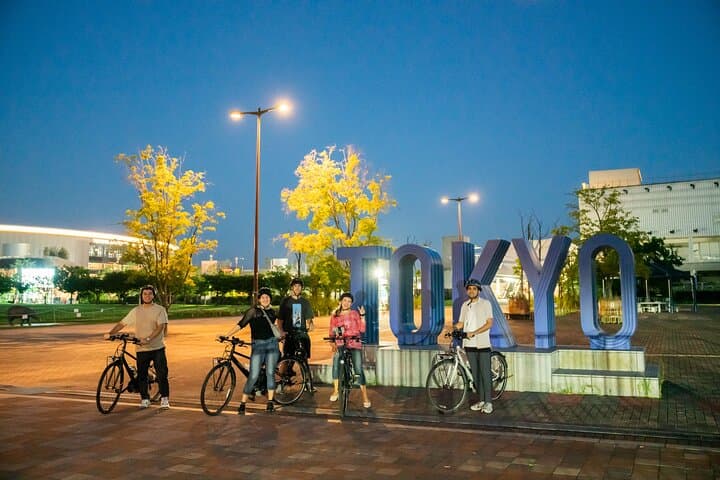
Practicalities sit close to the narrative. Expect 12–15 km of mostly flat, paved riding with short walking sections at viewpoints; total elevation gain is negligible. Stops include a small shrine (15 minutes), a hidden temple, Tokyo Big Sight (photo stop) and Aqua City Odaiba for sunset views and a snack chosen by your guide. Guides provide helmets, E-bikes, snacks and optional knapsacks; gloves come in winter.
Plan to arrive 15 minutes early for the briefing, wear closed-toe shoes and layers for the evening wind. Traffic and pedestrian bridges can slow the return; lights and reflective clothing improve safety on dusk rides.