THE ADVENTURE COLLECTIVE® · Independent discovery and booking for outdoor travel

Short, focused lessons teach travel-ready Japanese phrases alongside a hands-on tea ceremony demonstration. Ideal for first-time visitors who want cultural context and practical language to use immediately in Tokyo.
Short, focused lessons teach travel-ready Japanese phrases alongside a hands-on tea ceremony demonstration. Ideal for first-time visitors who want cultural context and practical language to use immediately in Tokyo.
You step into a compact classroom in central Tokyo: low tables, the faint steam of freshly whisked matcha, and a small group arranging themselves around an instructor who speaks slowly and clearly. The city hums beyond the windows, but here the pace tightens—the language is pared back to essentials and gestures are as important as words.
Verified experiences and guided adventures in the surrounding area.
Operated by GET AROUND JAPAN · Tokyo, Tokyo
You step into a compact classroom in central Tokyo: low tables, the faint steam of freshly whisked matcha, and a small group arranging themselves around an instructor who speaks slowly and clearly. The city hums beyond the windows, but here the pace tightens—the language is pared back to essentials and gestures are as important as words.
The class pairs two living strands of Japanese culture. The tea ceremony (chanoyu) has roots in 16th-century practices shaped by Zen aesthetics and hospitality; the phrases taught are modern, travel-ready forms shaped by urban Tokyo’s rhythms. Together they give travelers the social keys to enter temples, restaurants, and neighborhoods with quiet confidence.
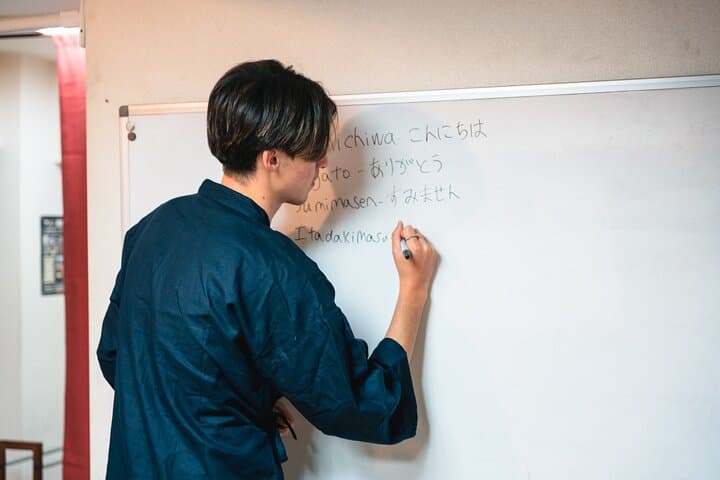
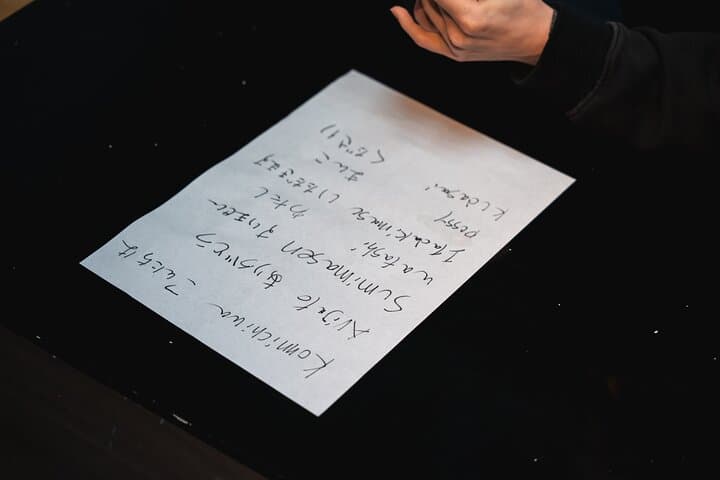
Expect practical, conversational drills: greetings, ordering food, asking for directions, and polite set phrases like itadakimasu and sumimasen. The tea demonstration focuses on basic etiquette—how to receive a bowl, when to bow, and what small gestures mean—rather than an exhaustive history. Classes are hands-on and suited to beginners; maximum group sizes keep practice time generous.
Practical guidance: book a 60-minute slot, arrive 10 minutes early, and bring a pen for notes. Public transit connects most venues—plan for rush-hour crowding. Clothing is casual but avoid loud shoes if removing them is required. Expect clear, repeatable phrases that you’ll use immediately in markets, trains, and eateries. This session is as much about cultural rehearsal as vocabulary: leave ready to listen, ask questions, and use two-minute greetings that change how locals respond.
easy.
1 hour.
Suitable for all fitness levels; this is a seated, low-physical-impact class
No—classes are designed for beginners; instructors teach pronunciation and show practical scripts you can use immediately.
No—demonstrations are adapted for visitors; some activities are seated on cushions or chairs depending on the venue.
Yes—local tips about dining, tipping (not customary), and bowing are typically covered and welcomed.
Many providers require 24-hour notice for a full refund; check your booking confirmation for specific terms.
The Japanese tea ceremony descends from 16th-century chanoyu practices influenced by Zen principles; modern Tokyo etiquette blends these traditions with Edo-period urban manners.
Small-group classes and respectful behavior reduce impact on cultural sites—avoid flash photography in tea rooms and carry out any trash to support sustainable tourism.
GET AROUND JAPAN operates guided outdoor trips and adventures with an emphasis on safety, stewardship, and memorable experiences.
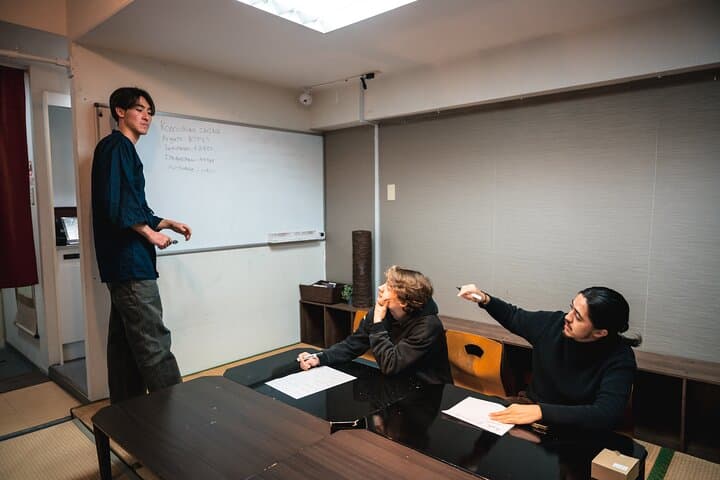
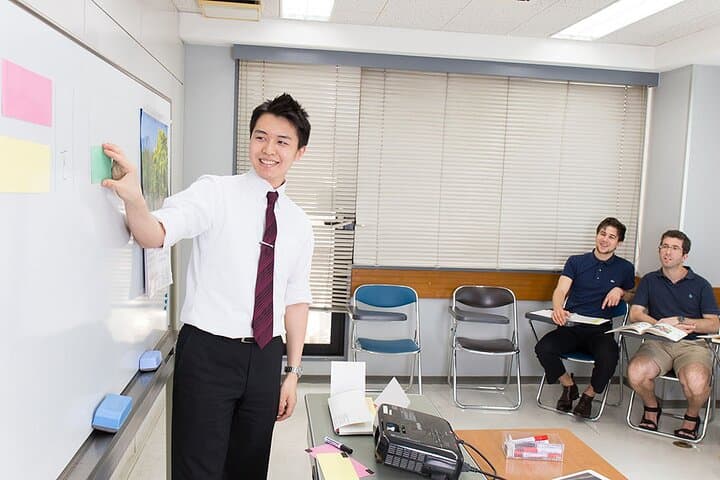
You step into a compact classroom in central Tokyo: low tables, the faint steam of freshly whisked matcha, and a small group arranging themselves around an instructor who speaks slowly and clearly. The city hums beyond the windows, but here the pace tightens—the language is pared back to essentials and gestures are as important as words.
You step into a compact classroom in central Tokyo: low tables, the faint steam of freshly whisked matcha, and a small group arranging themselves around an instructor who speaks slowly and clearly. The city hums beyond the windows, but here the pace tightens—the language is pared back to essentials and gestures are as important as words.
The class pairs two living strands of Japanese culture. The tea ceremony (chanoyu) has roots in 16th-century practices shaped by Zen aesthetics and hospitality; the phrases taught are modern, travel-ready forms shaped by urban Tokyo’s rhythms. Together they give travelers the social keys to enter temples, restaurants, and neighborhoods with quiet confidence.
Expect practical, conversational drills: greetings, ordering food, asking for directions, and polite set phrases like itadakimasu and sumimasen. The tea demonstration focuses on basic etiquette—how to receive a bowl, when to bow, and what small gestures mean—rather than an exhaustive history. Classes are hands-on and suited to beginners; maximum group sizes keep practice time generous.
Practical guidance: book a 60-minute slot, arrive 10 minutes early, and bring a pen for notes. Public transit connects most venues—plan for rush-hour crowding. Clothing is casual but avoid loud shoes if removing them is required. Expect clear, repeatable phrases that you’ll use immediately in markets, trains, and eateries. This session is as much about cultural rehearsal as vocabulary: leave ready to listen, ask questions, and use two-minute greetings that change how locals respond.