THE ADVENTURE COLLECTIVE® · Independent discovery and booking for outdoor travel

Spend a full day tracing Tokyo’s autumn color with an architect guide, from ginkgo avenues and historic gardens to evening illuminations. This private, 11‑hour walk combines history, design and prime photo spots across the city’s best fall displays.
Spend a full day tracing Tokyo’s autumn color with an architect guide, from ginkgo avenues and historic gardens to evening illuminations. This private, 11‑hour walk combines history, design and prime photo spots across the city’s best fall displays.
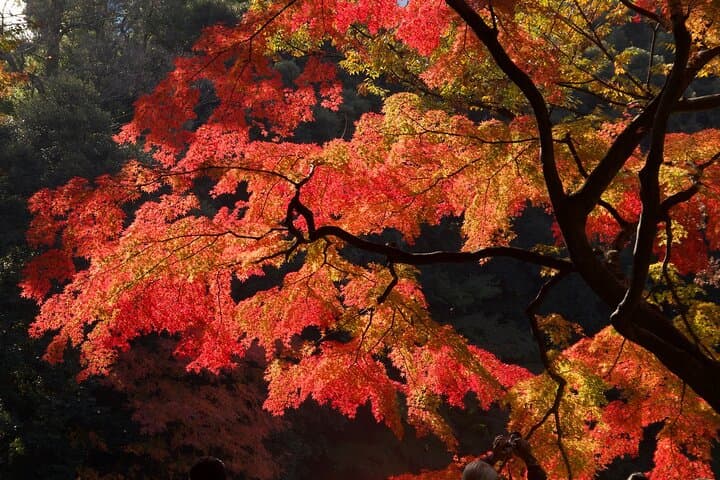
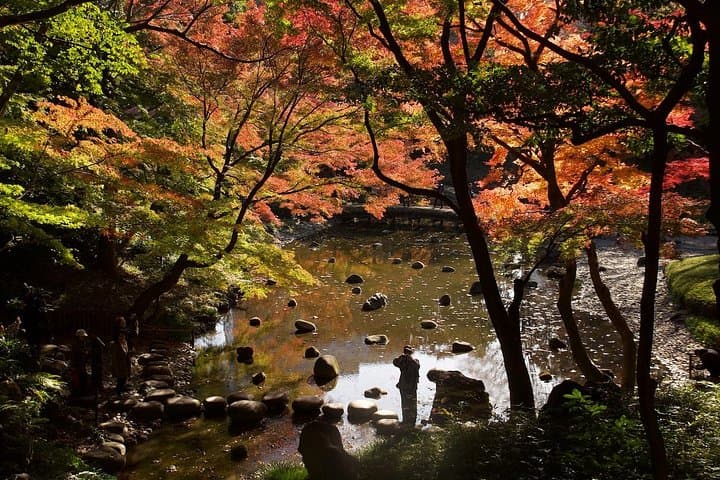
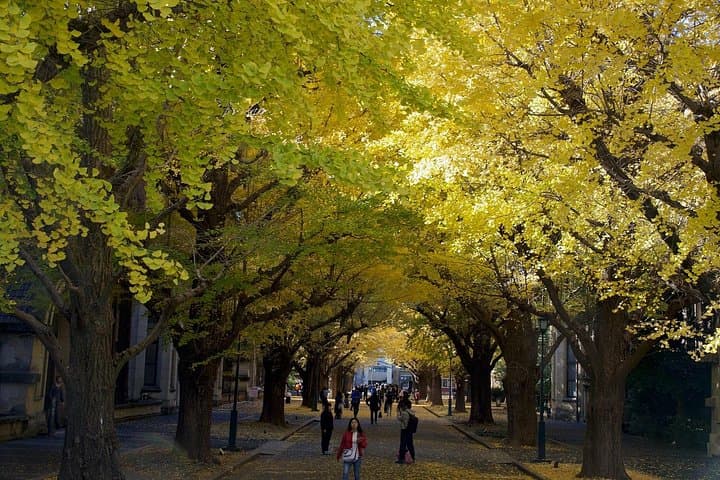
By dawn in central Tokyo the first light picks out the serrated edges of ginkgo leaves along wide avenues while ponds in Shinjuku Gyo-en reflect bands of red and brown maples.
Verified experiences and guided adventures in the surrounding area.
Operated by Time of Travel · Tokyo, Tokyo
By dawn in central Tokyo the first light picks out the serrated edges of ginkgo leaves along wide avenues while ponds in Shinjuku Gyo-en reflect bands of red and brown maples.
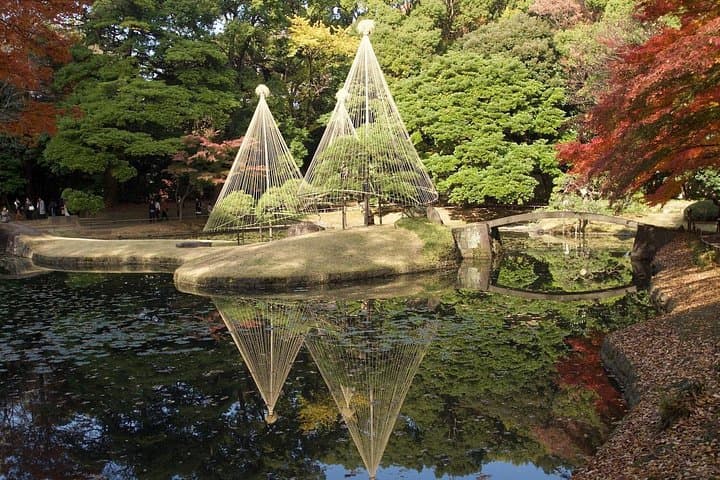
On this private, 11‑hour walking tour an architect guide leads you through Koishikawa Koraku‑en, Rikugien, Meiji Shrine Outer Garden, the University of Tokyo and other curated spots — moving from morning gold through afternoon crimsons to planned evening illuminations.
Tokyo’s autumn is a collage of Edo‑period garden engineering, Meiji‑era urban plantings and river‑terrace geology. Koishikawa (1629) and Rikugien (early 1700s) were arranged to echo famous landscapes; the ginkgo avenues framing Tokyo Station and the Imperial Palace are 20th‑century urban compositions that give the city its linear autumn identity. The guide layers architecture and cultural context into each stop so the colors read as both nature and history.
Expect mostly paved walking with occasional gravel paths and gentle slopes; cumulative distance typically runs 6–10 km depending on route choices and detours. Trees will “lean” into viewpoints and illuminations will nudge shadows into color at dusk, so timing matters.
Practical guidance: wear broken‑in walking shoes and layered outerwear, carry a charged phone and portable battery for photos, bring a reloadable transit IC card (Suica/Pasmo) and some cash for small museum entry or snacks. Several garden admissions are included, but not every optional stop — advise the guide of mobility or health concerns when booking and plan a comfortable pace for a full urban day of foliage.
easy.
11 hours.
Suitable for people who can walk several hours with short breaks; expect 6–10 km of mostly easy walking across city and garden paths.
Meeting and finish points are arranged with the guide—typically central Tokyo near a major station; confirmation details are provided at booking.
Several garden admissions listed in the itinerary are included, but some optional sites or museum entries may require additional payment—check the booking confirmation.
The tour notes stroller access for infants, but some gardens have gravel paths or steps; notify the guide in advance to adapt the route for mobility needs.
The guide will adjust the route to other suitable locations if scheduled illuminations are cancelled due to changing dates or weather; flexibility is part of the itinerary.
Many gardens on the route were created in the Edo and early modern eras to reproduce famous landscapes and reflect elite tastes; Meiji and Taisho periods later added tree avenues and urban axes.
These urban green spaces are actively managed to protect mature trees and pond ecosystems; stick to paths, avoid feeding wildlife and follow garden rules to minimize impact.
Time of Travel operates guided outdoor trips and adventures with an emphasis on safety, stewardship, and memorable experiences.
By dawn in central Tokyo the first light picks out the serrated edges of ginkgo leaves along wide avenues while ponds in Shinjuku Gyo-en reflect bands of red and brown maples.
By dawn in central Tokyo the first light picks out the serrated edges of ginkgo leaves along wide avenues while ponds in Shinjuku Gyo-en reflect bands of red and brown maples.
On this private, 11‑hour walking tour an architect guide leads you through Koishikawa Koraku‑en, Rikugien, Meiji Shrine Outer Garden, the University of Tokyo and other curated spots — moving from morning gold through afternoon crimsons to planned evening illuminations.
Tokyo’s autumn is a collage of Edo‑period garden engineering, Meiji‑era urban plantings and river‑terrace geology. Koishikawa (1629) and Rikugien (early 1700s) were arranged to echo famous landscapes; the ginkgo avenues framing Tokyo Station and the Imperial Palace are 20th‑century urban compositions that give the city its linear autumn identity. The guide layers architecture and cultural context into each stop so the colors read as both nature and history.
Expect mostly paved walking with occasional gravel paths and gentle slopes; cumulative distance typically runs 6–10 km depending on route choices and detours. Trees will “lean” into viewpoints and illuminations will nudge shadows into color at dusk, so timing matters.
Practical guidance: wear broken‑in walking shoes and layered outerwear, carry a charged phone and portable battery for photos, bring a reloadable transit IC card (Suica/Pasmo) and some cash for small museum entry or snacks. Several garden admissions are included, but not every optional stop — advise the guide of mobility or health concerns when booking and plan a comfortable pace for a full urban day of foliage.