THE ADVENTURE COLLECTIVE® · Independent discovery and booking for outdoor travel

Enter Ginza’s Art Aquarium for a 1–2 hour sensory show of light, scent and goldfish artistry. This compact museum blends Edo‑period goldfish culture with modern installations—perfect for a morning or early evening visit while exploring Ginza.
Enter Ginza’s Art Aquarium for a 1–2 hour sensory show of light, scent and goldfish artistry. This compact museum blends Edo‑period goldfish culture with modern installations—perfect for a morning or early evening visit while exploring Ginza.
Stepping into the Art Aquarium in Ginza feels like stepping into a calm current of light. Low ceilings and darkened galleries focus attention on curved glass tanks where goldfish move like living calligraphy—light pools on scaled bodies, and subtle soundscapes nudge the room’s rhythm.
Verified experiences and guided adventures in the surrounding area.
Operated by Royal Smart Tourism · Tokyo, Tokyo
Stepping into the Art Aquarium in Ginza feels like stepping into a calm current of light. Low ceilings and darkened galleries focus attention on curved glass tanks where goldfish move like living calligraphy—light pools on scaled bodies, and subtle soundscapes nudge the room’s rhythm.
The exhibit traces a simple cultural lineage: ornamental goldfish were first bred and appreciated in Japan during the Edo period (1603–1867). The museum translates that history into contemporary installations—large-scale tanks, themed displays referencing seasonal flowers, and scent elements that add an unexpected layer to the viewing experience. Located inside Ginza Mitsukoshi near Tokyo Station and the Imperial Palace Plaza, the space sits at the meeting point of retail history and modern art-making.
Expect a compact, sensory visit rather than a long museum crawl. Typical visits run 1–2 hours; the route is accessible, with ramps and elevators. Photography is usually allowed but watch for no-flash rules and occasional exhibit-specific restrictions. The museum operates year-round, so weather rarely impacts the experience, but crowding spikes on weekend afternoons and evenings.
Practical tips: present your mobile ticket and valid photo ID, arrive early to avoid lines, and pair the visit with a short walk through Ginza’s backstreets or a detour to the department store’s depachika food hall. Because the installations use controlled lighting and fragrance, give your eyes a moment in the lobby to readjust before heading back out into Ginza’s bright streets.
easy.
1–2 hours.
Suitable for all fitness levels; mostly standing and short walking on flat surfaces.
Most visitors spend 60–120 minutes moving through the themed rooms and viewing the tanks at a relaxed pace.
Yes—e-tickets are accepted and you should receive confirmation by email; present the ticket and a valid photo ID at entry.
Yes. The Ginza Mitsukoshi location provides ramps and elevators and the museum is listed as wheelchair accessible.
Photography is generally allowed but flash and tripods may be restricted in specific installations—follow signage and staff instructions.
Goldfish appreciation in Japan dates back to the Edo period (1603–1867); the Art Aquarium reframes that tradition with contemporary lighting, scent and sound.
The museum emphasizes controlled habitats and visitor guidelines (no touching, no flash) to minimize stress on the fish; visitors are asked to respect exhibit rules to protect the animals and installations.
Royal Smart Tourism operates guided outdoor trips and adventures with an emphasis on safety, stewardship, and memorable experiences.
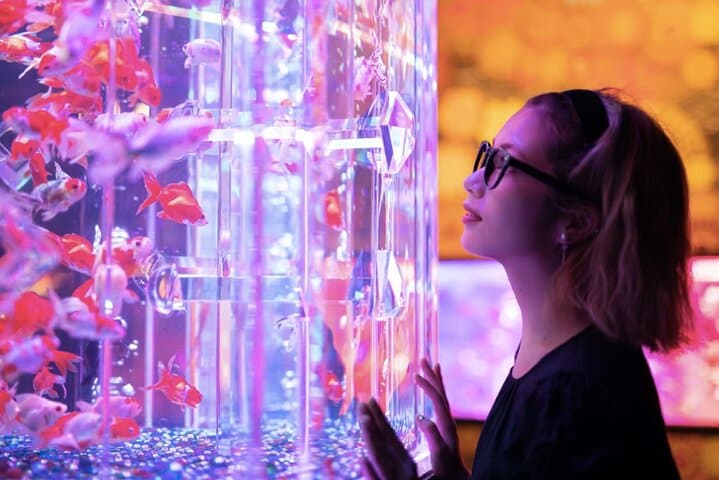
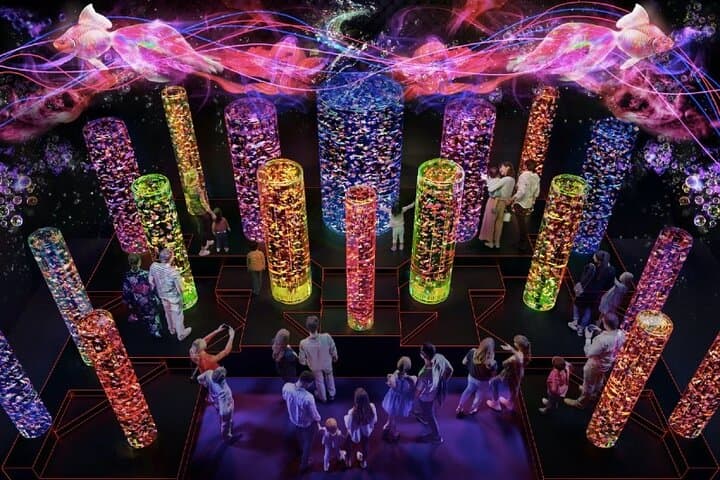
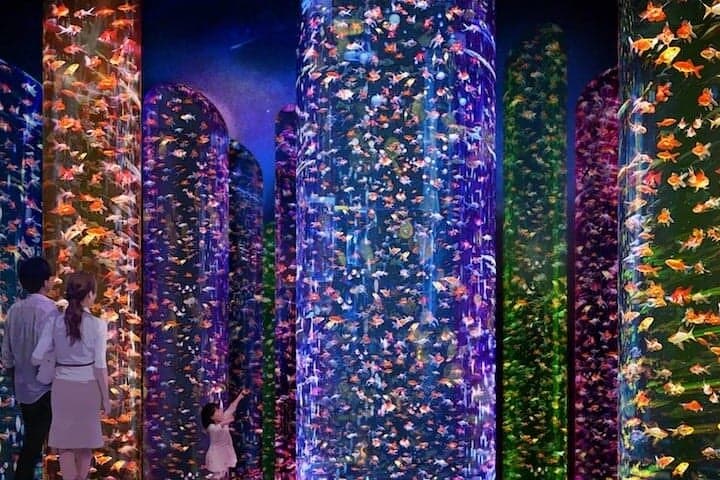
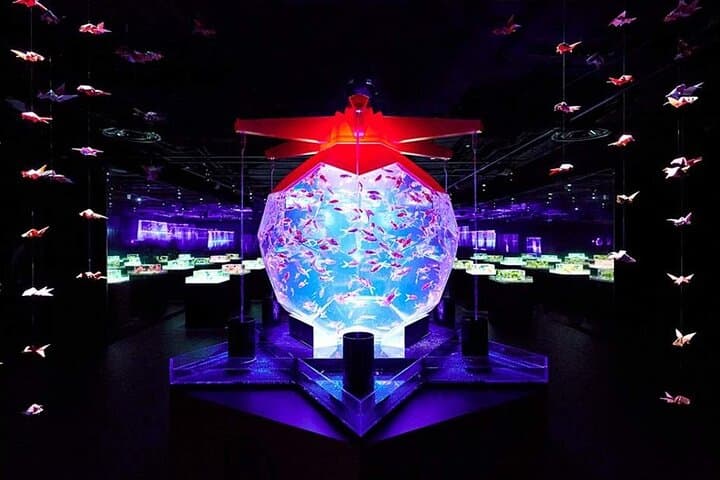
Stepping into the Art Aquarium in Ginza feels like stepping into a calm current of light. Low ceilings and darkened galleries focus attention on curved glass tanks where goldfish move like living calligraphy—light pools on scaled bodies, and subtle soundscapes nudge the room’s rhythm.
Stepping into the Art Aquarium in Ginza feels like stepping into a calm current of light. Low ceilings and darkened galleries focus attention on curved glass tanks where goldfish move like living calligraphy—light pools on scaled bodies, and subtle soundscapes nudge the room’s rhythm.
The exhibit traces a simple cultural lineage: ornamental goldfish were first bred and appreciated in Japan during the Edo period (1603–1867). The museum translates that history into contemporary installations—large-scale tanks, themed displays referencing seasonal flowers, and scent elements that add an unexpected layer to the viewing experience. Located inside Ginza Mitsukoshi near Tokyo Station and the Imperial Palace Plaza, the space sits at the meeting point of retail history and modern art-making.
Expect a compact, sensory visit rather than a long museum crawl. Typical visits run 1–2 hours; the route is accessible, with ramps and elevators. Photography is usually allowed but watch for no-flash rules and occasional exhibit-specific restrictions. The museum operates year-round, so weather rarely impacts the experience, but crowding spikes on weekend afternoons and evenings.
Practical tips: present your mobile ticket and valid photo ID, arrive early to avoid lines, and pair the visit with a short walk through Ginza’s backstreets or a detour to the department store’s depachika food hall. Because the installations use controlled lighting and fragrance, give your eyes a moment in the lobby to readjust before heading back out into Ginza’s bright streets.