THE ADVENTURE COLLECTIVE® · Independent discovery and booking for outdoor travel

Spend three hours exploring anime history at a museum, touring a working studio, and learning basic manga drawing techniques from a pro. This compact Tokyo experience combines behind-the-scenes context with a hands-on workshop suitable for beginners.
Spend three hours exploring anime history at a museum, touring a working studio, and learning basic manga drawing techniques from a pro. This compact Tokyo experience combines behind-the-scenes context with a hands-on workshop suitable for beginners.
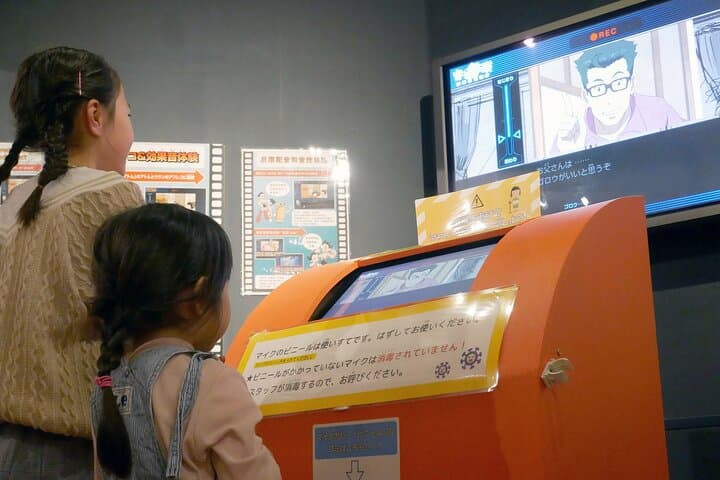
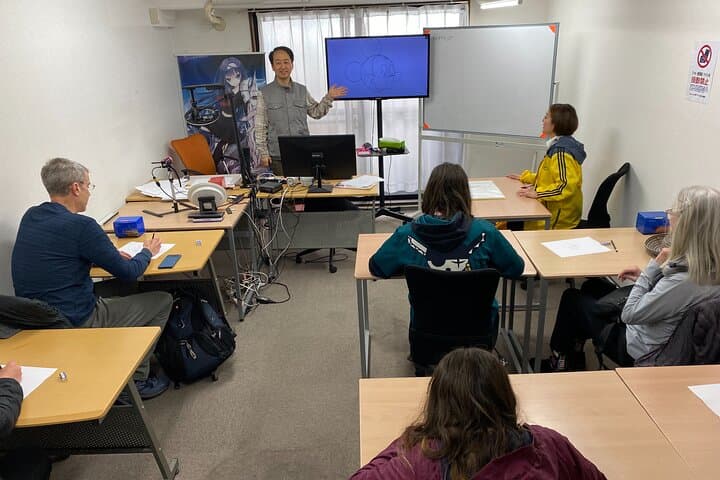
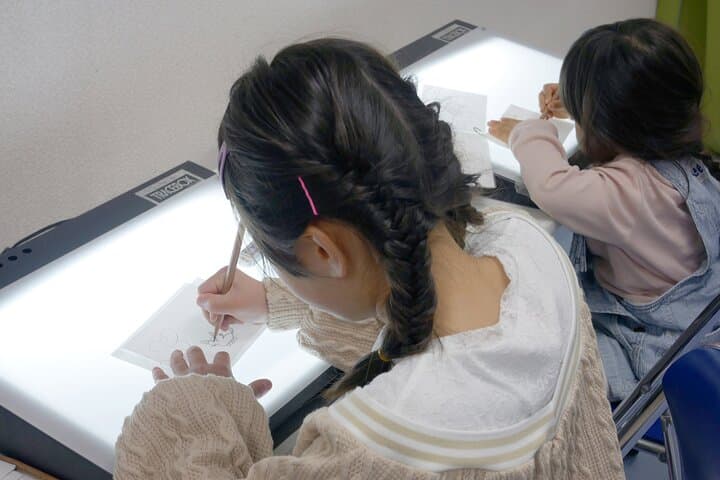
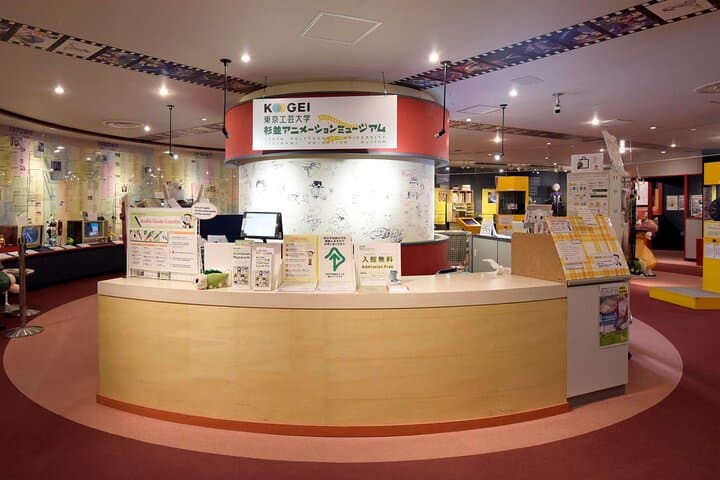
Step into a Tokyo studio where the room hums with pencils and the air smells faintly of ink and paper. For three hours you'll move between a compact anime museum and a working studio, watching how storyboards become motion and learning to sketch a character under an instructor's steady guidance.
Verified experiences and guided adventures in the surrounding area.
Operated by Japan Awaits · Tokyo, Tokyo
Step into a Tokyo studio where the room hums with pencils and the air smells faintly of ink and paper. For three hours you'll move between a compact anime museum and a working studio, watching how storyboards become motion and learning to sketch a character under an instructor's steady guidance.
Anime grew from early 20th-century print cartoons into a global industry after World War II; Tokyo's studios centralized production and a system of specialized roles—layout artists, in-betweeners, and animators—emerged. The museum contextualizes that history with posters, production artifacts, and brief screenings while the studio visit exposes the craft: timing sheets, model boards, and the cadence of a finishing line.
Culturally this is hands-on tourism—expect an exchange of craft knowledge, practical demonstration, and the etiquette of quiet observation. Many studios restrict photography in active production zones; workshops encourage sketching and provide materials so guests can try techniques used by professionals.
Practical guidance: the experience lasts about three hours and is wheelchair accessible. Minimum age is 8; young teens should be accompanied. Book early—small-group formats fill quickly—and arrive via Tokyo’s efficient rail network. Dress in layers for indoor AC and bring a compact notebook and a charged phone for reference photos where permitted. Allow extra time to browse nearby anime shops—Nakano Broadway and Koenji offer independent stores and collectors’ finds.
In short, this is a focused, accessible introduction to anime-making that balances historical context with hands-on practice—ideal for fans who want a close look at process without a full-day commitment.
easy.
3 hours.
Minimal physical exertion; suitable for most fitness levels
Yes—spaces and transportation between the museum and studio are marked wheelchair accessible and staff can assist as needed.
Photography rules vary; many active production areas prohibit photos, so ask your guide and follow posted signs.
No—materials and instruction are aimed at beginners and intermediate learners; the focus is on basic manga techniques and observation.
This experience lists all sales as final; check the operator’s specific booking terms before purchasing as last-minute cancellations are typically non-refundable.
Postwar animation production concentrated in Tokyo studios, shaping present-day workflows and the specialization of roles seen in exhibits and studio setups.
Respect studio spaces by avoiding flash photography and by following rules; supporting small museums helps preserve production archives and educational programs.
Japan Awaits operates guided outdoor trips and adventures with an emphasis on safety, stewardship, and memorable experiences.
Step into a Tokyo studio where the room hums with pencils and the air smells faintly of ink and paper. For three hours you'll move between a compact anime museum and a working studio, watching how storyboards become motion and learning to sketch a character under an instructor's steady guidance.
Step into a Tokyo studio where the room hums with pencils and the air smells faintly of ink and paper. For three hours you'll move between a compact anime museum and a working studio, watching how storyboards become motion and learning to sketch a character under an instructor's steady guidance.
Anime grew from early 20th-century print cartoons into a global industry after World War II; Tokyo's studios centralized production and a system of specialized roles—layout artists, in-betweeners, and animators—emerged. The museum contextualizes that history with posters, production artifacts, and brief screenings while the studio visit exposes the craft: timing sheets, model boards, and the cadence of a finishing line.
Culturally this is hands-on tourism—expect an exchange of craft knowledge, practical demonstration, and the etiquette of quiet observation. Many studios restrict photography in active production zones; workshops encourage sketching and provide materials so guests can try techniques used by professionals.
Practical guidance: the experience lasts about three hours and is wheelchair accessible. Minimum age is 8; young teens should be accompanied. Book early—small-group formats fill quickly—and arrive via Tokyo’s efficient rail network. Dress in layers for indoor AC and bring a compact notebook and a charged phone for reference photos where permitted. Allow extra time to browse nearby anime shops—Nakano Broadway and Koenji offer independent stores and collectors’ finds.
In short, this is a focused, accessible introduction to anime-making that balances historical context with hands-on practice—ideal for fans who want a close look at process without a full-day commitment.