THE ADVENTURE COLLECTIVE® · Independent discovery and booking for outdoor travel

Skip tourist façades and spend a night guided by local university students through Kabukicho’s neon alleys, private karaoke rooms, tiny izakayas, and pulsating clubs. This guided evening blends authentic local hangouts with the safe, social energy of Tokyo after dark.
Skip tourist façades and spend a night guided by local university students through Kabukicho’s neon alleys, private karaoke rooms, tiny izakayas, and pulsating clubs. This guided evening blends authentic local hangouts with the safe, social energy of Tokyo after dark.
Neon slices the night as you step off Shinjuku Station and into Kabukicho’s loose, electric gravity—signboards pulse, laughter spills from tight bars, and a cluster of university students offers a grin and a plan. The tour moves like a human current: a private karaoke room where the mic is yours, a cramped izakaya that smells of charcoal and yakitori, then a club where the bass stitches the crowd together.
Verified experiences and guided adventures in the surrounding area.
Operated by Pasuno Travel · Tokyo, Tokyo
Neon slices the night as you step off Shinjuku Station and into Kabukicho’s loose, electric gravity—signboards pulse, laughter spills from tight bars, and a cluster of university students offers a grin and a plan. The tour moves like a human current: a private karaoke room where the mic is yours, a cramped izakaya that smells of charcoal and yakitori, then a club where the bass stitches the crowd together.
Kabukicho emerged after World War II as Tokyo’s entertainment quarter and has since evolved into a dense collage of nightlife subcultures. Nearby Omoide Yokocho preserves older postwar streetscapes—ramen stalls and five-seat bars that recall mid-20th-century Tokyo life. Karaoke itself is a national pastime: private rooms, competitive setlists, and a casual etiquette that welcomes earnest singing and polite applause.
Practicalities matter on a night like this. Most tours run 2–8 hours and start after 9 p.m.; public transport is plentiful but check last train times if you plan to return by rail. Carry ID—the legal drinking age is 20 in Japan—and have some cash for tiny bars that prefer it. Smoking is still common in some small venues; if you’re sensitive, ask ahead. Group sizes are often small and guided by students who’ll translate, recommend songs, and negotiate cover fees.
Expect a flexible, social evening rather than a rigid itinerary: choose between singing marathons, clubbing till dawn, or a slow crawl through atmospheric alleys. Good footwear for standing, a charged phone for translation apps, and an open attitude will make the night run smoothly. Above all, be respectful: support local spots, follow hosts’ guidance, and enjoy a side of Tokyo that most visitors never see.
easy.
2–8 hours.
Minimal fitness needed—mostly standing and short walks between venues; comfortable on-your-feet endurance recommended
Yes—student guides typically speak enough English to translate, pick songs, and introduce you to local spots; bring a translation app for niche conversations.
Participants must be 20+ to drink in Japan; guides may check ID, so bring valid identification.
Some small bars and izakayas allow smoking; if you need smoke-free spaces, request them when booking or tell your guide at the start.
Absolutely—karaoke and socializing are central; non-drinkers are welcome and can order soft drinks or food instead.
Kabukicho developed as a postwar entertainment district and later grew into Shinjuku’s dense nightlife quarter; Omoide Yokocho preserves narrow postwar alleyways and small eateries.
Small bars and alleys are sensitive to crowding—support local businesses by respecting space, minimizing litter, and following hosts’ guidance to reduce neighborhood impact.
Pasuno Travel operates guided outdoor trips and adventures with an emphasis on safety, stewardship, and memorable experiences.
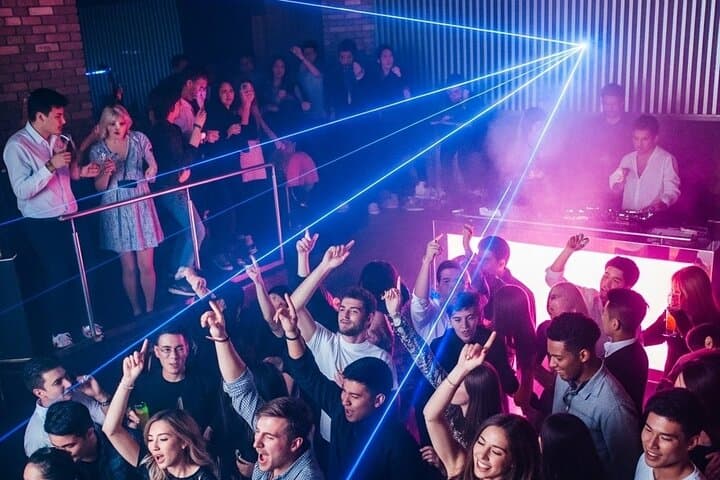
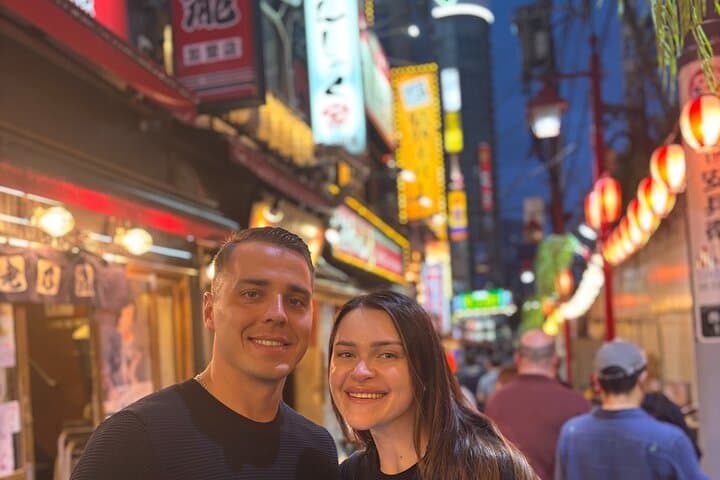
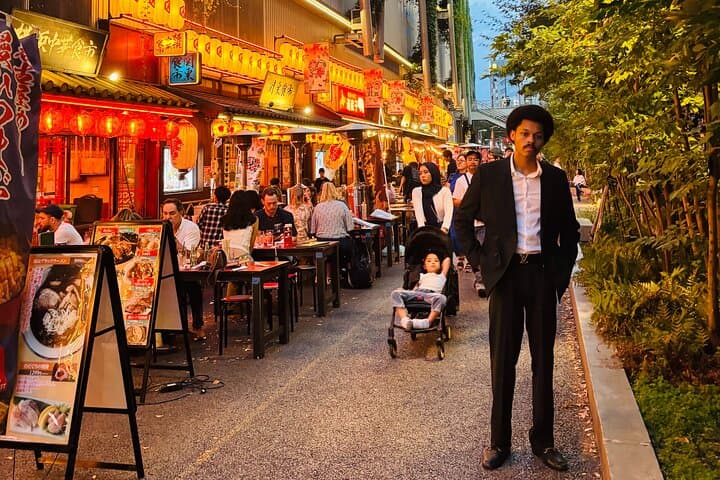

Neon slices the night as you step off Shinjuku Station and into Kabukicho’s loose, electric gravity—signboards pulse, laughter spills from tight bars, and a cluster of university students offers a grin and a plan. The tour moves like a human current: a private karaoke room where the mic is yours, a cramped izakaya that smells of charcoal and yakitori, then a club where the bass stitches the crowd together.
Neon slices the night as you step off Shinjuku Station and into Kabukicho’s loose, electric gravity—signboards pulse, laughter spills from tight bars, and a cluster of university students offers a grin and a plan. The tour moves like a human current: a private karaoke room where the mic is yours, a cramped izakaya that smells of charcoal and yakitori, then a club where the bass stitches the crowd together.
Kabukicho emerged after World War II as Tokyo’s entertainment quarter and has since evolved into a dense collage of nightlife subcultures. Nearby Omoide Yokocho preserves older postwar streetscapes—ramen stalls and five-seat bars that recall mid-20th-century Tokyo life. Karaoke itself is a national pastime: private rooms, competitive setlists, and a casual etiquette that welcomes earnest singing and polite applause.
Practicalities matter on a night like this. Most tours run 2–8 hours and start after 9 p.m.; public transport is plentiful but check last train times if you plan to return by rail. Carry ID—the legal drinking age is 20 in Japan—and have some cash for tiny bars that prefer it. Smoking is still common in some small venues; if you’re sensitive, ask ahead. Group sizes are often small and guided by students who’ll translate, recommend songs, and negotiate cover fees.
Expect a flexible, social evening rather than a rigid itinerary: choose between singing marathons, clubbing till dawn, or a slow crawl through atmospheric alleys. Good footwear for standing, a charged phone for translation apps, and an open attitude will make the night run smoothly. Above all, be respectful: support local spots, follow hosts’ guidance, and enjoy a side of Tokyo that most visitors never see.