THE ADVENTURE COLLECTIVE® · Independent discovery and booking for outdoor travel

Spend an efficient afternoon in Tokyo visiting Hama-rikyu’s samurai gardens, taking a Sumida River cruise, and wandering Sensoji and Akihabara. Perfect for travelers who want a concentrated introduction to both historic and contemporary Tokyo.
Spend an efficient afternoon in Tokyo visiting Hama-rikyu’s samurai gardens, taking a Sumida River cruise, and wandering Sensoji and Akihabara. Perfect for travelers who want a concentrated introduction to both historic and contemporary Tokyo.
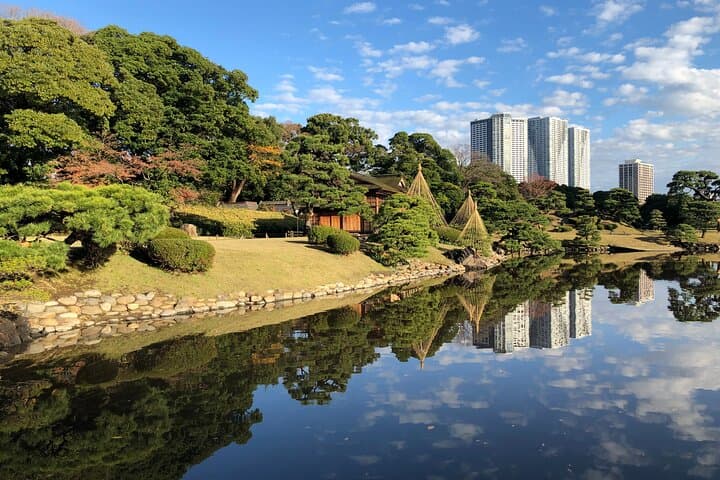
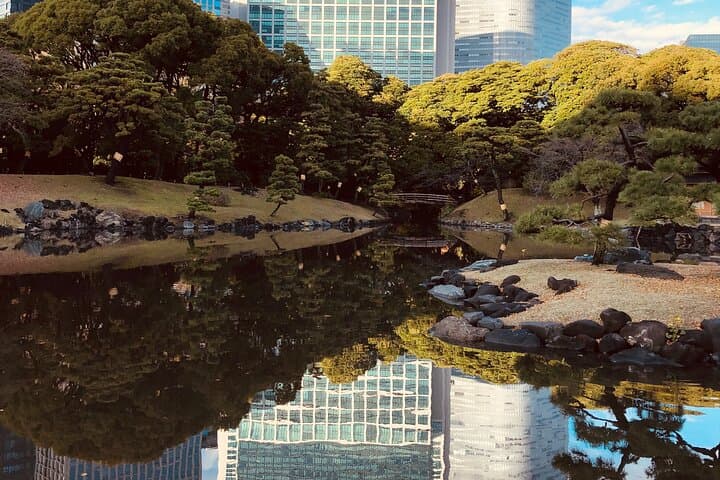
You step off an air-conditioned coach into a quiet pocket of Tokyo where tidal ponds breathe and stone lanterns keep watch—Hama-rikyu Gardens feels like an ordered pause in a city that never stands still.
Verified experiences and guided adventures in the surrounding area.
Operated by Japan Gray Line · Tokyo, Tokyo
You step off an air-conditioned coach into a quiet pocket of Tokyo where tidal ponds breathe and stone lanterns keep watch—Hama-rikyu Gardens feels like an ordered pause in a city that never stands still.
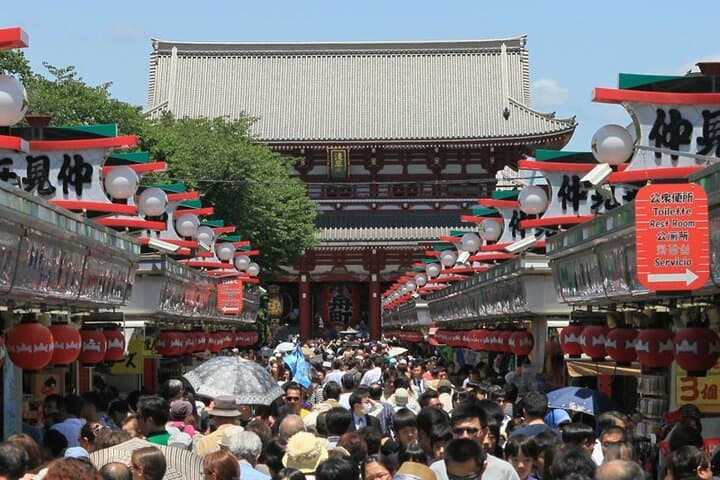
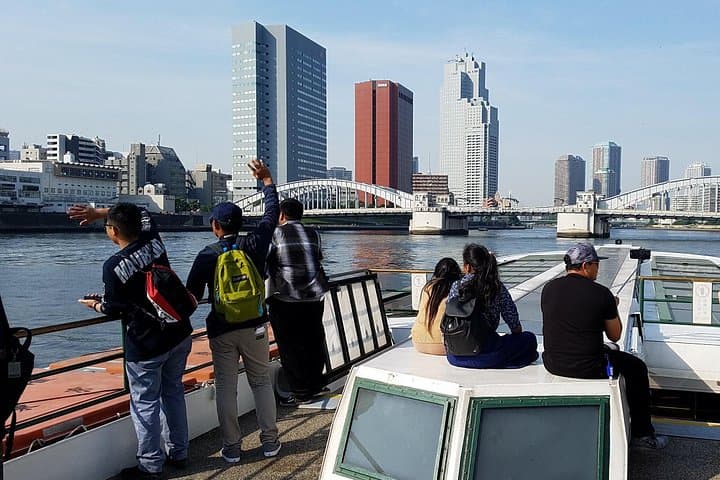
This afternoon tour threads through Edo-period history and modern skyline. First, a walk through daimyo landscaping—man-made hills, tea houses and tidal marshes that once supplied fresh sea water to Samurai estates. Then the Sumida River, sliding past embankments and bridges on a 30‑minute cruise that delivers you into Asakusa’s crowded colors and Sensoji Temple’s 7th‑century footprint. The bus route skirts Tokyo Skytree, Kappabashi’s utensil rows, Ueno’s museum quarter and ends in Akihabara’s neon grid.
Culturally, the itinerary balances formal garden design, Buddhist temple ritual, and contemporary subculture, so bring curiosity as much as a camera. Geology here is flat alluvium deposited by the river; flooding shaped the layout and the gardens’ tidal pond. Locals read the river like a calendar—cherry blossoms in spring, fireworks in summer evenings.
Practical notes: the schedule is compact—expect 3.5–4.5 hours door‑to‑door depending on pick‑up. There’s a fair amount of walking on paved paths and temple steps; wear comfortable shoes and bring rain protection. If the river cruise is unavailable the operator may swap in a Tokyo Bay route or a driving alternative, and the tour offers optional drop‑off in Akihabara or return to your hotel. For a concise afternoon that mixes green space, water, and urban pulse, this tour is efficient and well‑paced.
easy.
3.5–4.5 hours.
Suitable for all fitness levels; expect several short walks and some standing during the river cruise.
Pick-up covers major hotels in Tokyo; you’ll be asked to specify your hotel at booking and some locations may require a nearby meeting point.
Yes—guests can choose to disembark in Akihabara to continue exploring; a return to hotel option is available if selected in advance.
If the Sumida River Cruise is suspended, the operator may use an alternate Tokyo Bay cruise or adjust the driving route; Hama-rikyu may be omitted in some cases.
Infants and small children can join, and strollers are accessible; note that infants must sit on an adult’s lap during transport and bus seats/lunch may incur charges.
Hama-rikyu was a feudal lord’s garden used for rice paddies and tidal ponds tied to Edo’s waterways; Sensoji dates back to the city’s 7th-century origins and has been a focal point of worship and trade.
The tour emphasizes low-impact visits to gardens and temples; stick to paths, avoid feeding wildlife, and use public transport where possible to reduce congestion and emissions.
Japan Gray Line operates guided outdoor trips and adventures with an emphasis on safety, stewardship, and memorable experiences.
You step off an air-conditioned coach into a quiet pocket of Tokyo where tidal ponds breathe and stone lanterns keep watch—Hama-rikyu Gardens feels like an ordered pause in a city that never stands still.
You step off an air-conditioned coach into a quiet pocket of Tokyo where tidal ponds breathe and stone lanterns keep watch—Hama-rikyu Gardens feels like an ordered pause in a city that never stands still.
This afternoon tour threads through Edo-period history and modern skyline. First, a walk through daimyo landscaping—man-made hills, tea houses and tidal marshes that once supplied fresh sea water to Samurai estates. Then the Sumida River, sliding past embankments and bridges on a 30‑minute cruise that delivers you into Asakusa’s crowded colors and Sensoji Temple’s 7th‑century footprint. The bus route skirts Tokyo Skytree, Kappabashi’s utensil rows, Ueno’s museum quarter and ends in Akihabara’s neon grid.
Culturally, the itinerary balances formal garden design, Buddhist temple ritual, and contemporary subculture, so bring curiosity as much as a camera. Geology here is flat alluvium deposited by the river; flooding shaped the layout and the gardens’ tidal pond. Locals read the river like a calendar—cherry blossoms in spring, fireworks in summer evenings.
Practical notes: the schedule is compact—expect 3.5–4.5 hours door‑to‑door depending on pick‑up. There’s a fair amount of walking on paved paths and temple steps; wear comfortable shoes and bring rain protection. If the river cruise is unavailable the operator may swap in a Tokyo Bay route or a driving alternative, and the tour offers optional drop‑off in Akihabara or return to your hotel. For a concise afternoon that mixes green space, water, and urban pulse, this tour is efficient and well‑paced.