THE ADVENTURE COLLECTIVE® · Independent discovery and booking for outdoor travel

Spend a full day exploring Tokyo with a government-licensed English guide who tailors an eight-hour walking tour to your interests. Visit imperial moats, quiet Edo-period gardens, neon neighborhoods and cultural highlights with local context and practical tips.
Spend a full day exploring Tokyo with a government-licensed English guide who tailors an eight-hour walking tour to your interests. Visit imperial moats, quiet Edo-period gardens, neon neighborhoods and cultural highlights with local context and practical tips.
You step onto a broad Tokyo sidewalk as trains hum beneath your feet and a guide, licensed by the city, folds a simple map into a plan for the day.
Verified experiences and guided adventures in the surrounding area.
Operated by Japan Guide Agency · Tokyo, Tokyo
You step onto a broad Tokyo sidewalk as trains hum beneath your feet and a guide, licensed by the city, folds a simple map into a plan for the day.
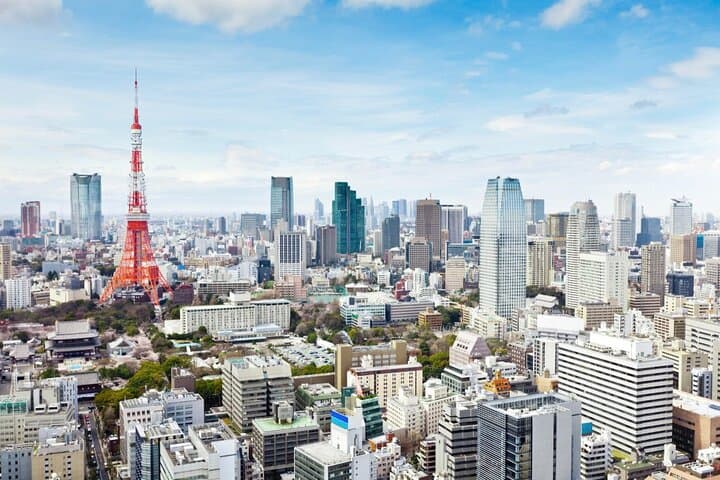
This eight-hour private tour threads modern high-rises, Edo-era stonework and shaded shrine approaches, letting a single guide tailor the route to your interests—history, food, architecture or gardens. Expect 3–6 sites chosen from classic stops such as the Imperial Palace moats, Meiji Shrine’s forested walk, the manicured ponds of Hama Rikyu and the neon alleys of Akihabara or Shibuya. Your guide provides context: Edo Castle’s role in Tokugawa rule, the Meiji Restoration that moved the imperial seat to Tokyo, and how reclaimed land shaped districts like Odaiba.
Geology here is modest but telling—the city rests on alluvial plains and reclaimed bayside fill, which explains the tidal ponds at Hama Rikyu and the careful engineering around Tokyo Bay.
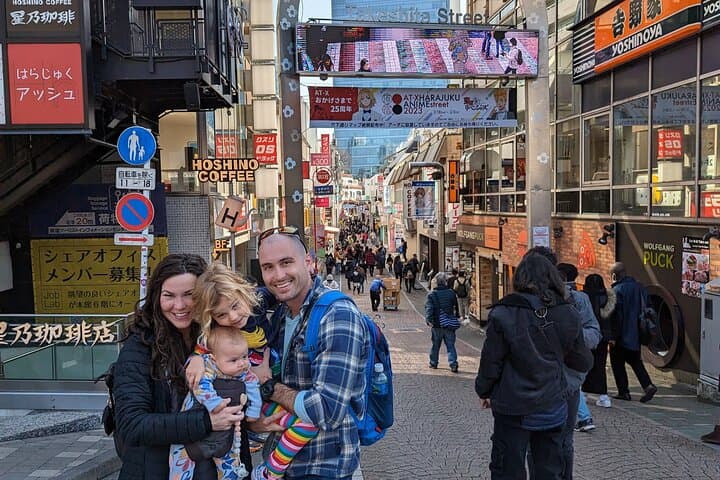
Culturally, the tour balances ritual and modern fandom: quiet shrine etiquette, seasonal cherry- and ginkgo-watching, and the pulse of Harajuku street fashion. Local insight: pick lesser-visited gardens like Koishikawa Korakuen for a quieter pause.
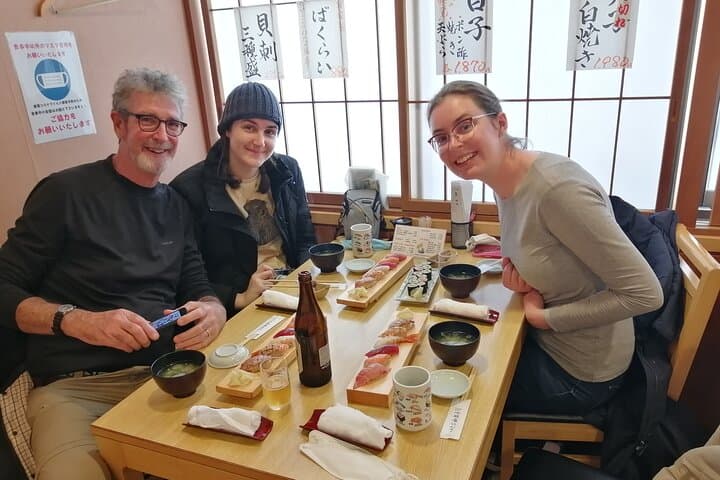
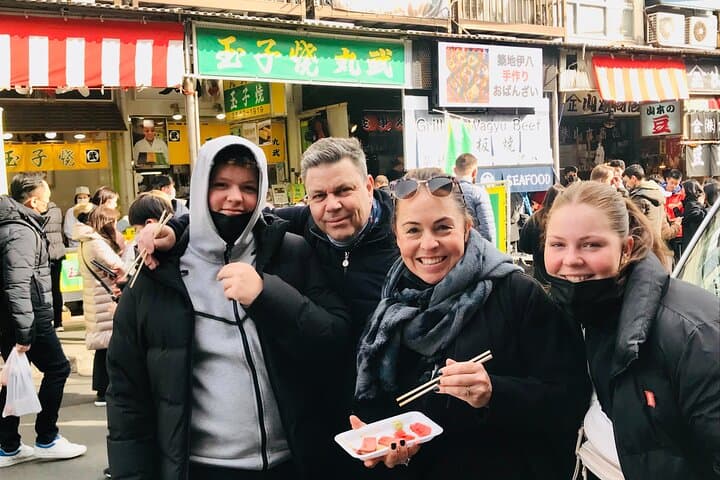
Practical guidance: wear comfortable walking shoes and carry a portable Suica/Pasmo card for quick transit hops. Plan for food breaks—your guide can recommend or escort you to lunch spots—and factor in time for short waits or crowds at popular sites. If accessibility is needed, note that many routes and transports are wheelchair friendly but some older alleys have steps. Book with clear site priorities; eight hours give a broad taste but not the whole city.
easy.
8 hours.
Suitable for most travelers who can walk several hours with periodic rests; some stair negotiation may be required.
Yes—the tour is private and designed around your chosen 4–6 sights; communicate priorities when booking.
Many areas and public transport are wheelchair accessible, but some historic alleys or gardens have steps—discuss needs in advance.
Some museums require advance tickets; the guide can advise and help arrange tickets, but Imperial Palace inner grounds access is not included.
The guides on this tour are government-licensed and English speaking; request other languages when booking but availability varies.
Tokyo grew from Edo, the Tokugawa shogunate’s seat (1603–1867); the Imperial Palace sits on that old castle site after the Meiji Restoration shifted the capital from Kyoto.
Tokyo’s parks balance heavy visitor use with preservation—stay on paths, avoid feeding wildlife and follow local waste-sorting rules to minimize impact.
Japan Guide Agency operates guided outdoor trips and adventures with an emphasis on safety, stewardship, and memorable experiences.
You step onto a broad Tokyo sidewalk as trains hum beneath your feet and a guide, licensed by the city, folds a simple map into a plan for the day.
You step onto a broad Tokyo sidewalk as trains hum beneath your feet and a guide, licensed by the city, folds a simple map into a plan for the day.
This eight-hour private tour threads modern high-rises, Edo-era stonework and shaded shrine approaches, letting a single guide tailor the route to your interests—history, food, architecture or gardens. Expect 3–6 sites chosen from classic stops such as the Imperial Palace moats, Meiji Shrine’s forested walk, the manicured ponds of Hama Rikyu and the neon alleys of Akihabara or Shibuya. Your guide provides context: Edo Castle’s role in Tokugawa rule, the Meiji Restoration that moved the imperial seat to Tokyo, and how reclaimed land shaped districts like Odaiba.
Geology here is modest but telling—the city rests on alluvial plains and reclaimed bayside fill, which explains the tidal ponds at Hama Rikyu and the careful engineering around Tokyo Bay.
Culturally, the tour balances ritual and modern fandom: quiet shrine etiquette, seasonal cherry- and ginkgo-watching, and the pulse of Harajuku street fashion. Local insight: pick lesser-visited gardens like Koishikawa Korakuen for a quieter pause.
Practical guidance: wear comfortable walking shoes and carry a portable Suica/Pasmo card for quick transit hops. Plan for food breaks—your guide can recommend or escort you to lunch spots—and factor in time for short waits or crowds at popular sites. If accessibility is needed, note that many routes and transports are wheelchair friendly but some older alleys have steps. Book with clear site priorities; eight hours give a broad taste but not the whole city.