THE ADVENTURE COLLECTIVE® · Independent discovery and booking for outdoor travel

Walk Tokyo’s historic neighborhoods with a licensed guide, then learn to make inari sushi at a hands-on class. This six-hour private tour blends curated city stops with culinary craft and is customizable to your interests.
Walk Tokyo’s historic neighborhoods with a licensed guide, then learn to make inari sushi at a hands-on class. This six-hour private tour blends curated city stops with culinary craft and is customizable to your interests.
You step out of a subway and the city rearranges itself around you: narrow shopping streets, shrine gates, a spray of neon in the distance. Over six hours a licensed English-speaking guide threads you through Tokyo’s urban layers — from the Edo echoes of Asakusa to the clipped lawns of the Imperial Palace outer grounds — before dropping you at Patia’s Japanese Cooking Class for a hands-on inari sushi lesson.
Verified experiences and guided adventures in the surrounding area.
Operated by Japan Guide Agency · Tokyo, Tokyo
You step out of a subway and the city rearranges itself around you: narrow shopping streets, shrine gates, a spray of neon in the distance. Over six hours a licensed English-speaking guide threads you through Tokyo’s urban layers — from the Edo echoes of Asakusa to the clipped lawns of the Imperial Palace outer grounds — before dropping you at Patia’s Japanese Cooking Class for a hands-on inari sushi lesson.
History here is tactile. Edo-era markets and castle moats mark a political shift that remade Japan; garden designs from the Tokugawa era compress deliberate views into a single stroll. Geology is quieter — reclaimed bays around Odaiba and the alluvial plain that allowed Edo to grow — but cultural detail is abundant: shrine rituals, shop crafts, ramen steam and the measured etiquette of a sushi class whose core, inari, traces back roughly 400 years.
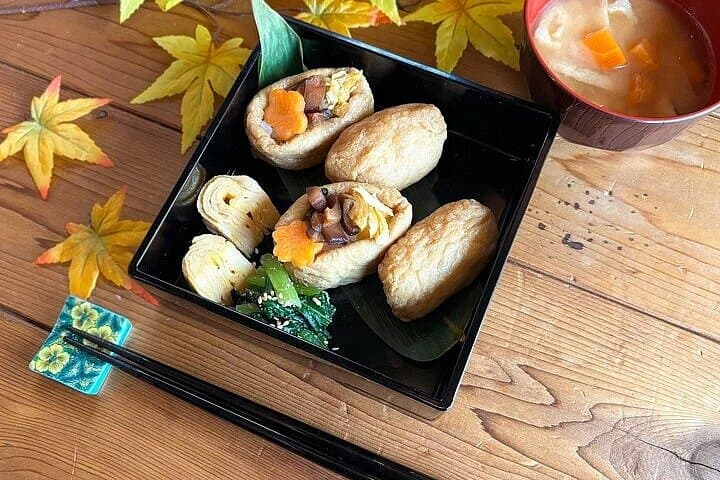
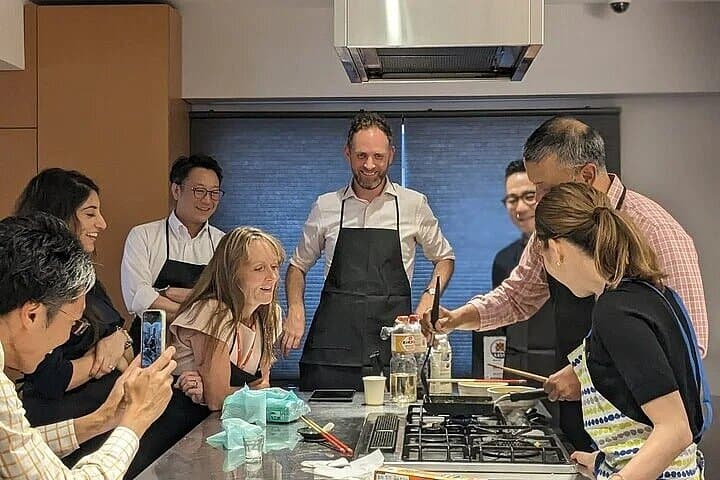
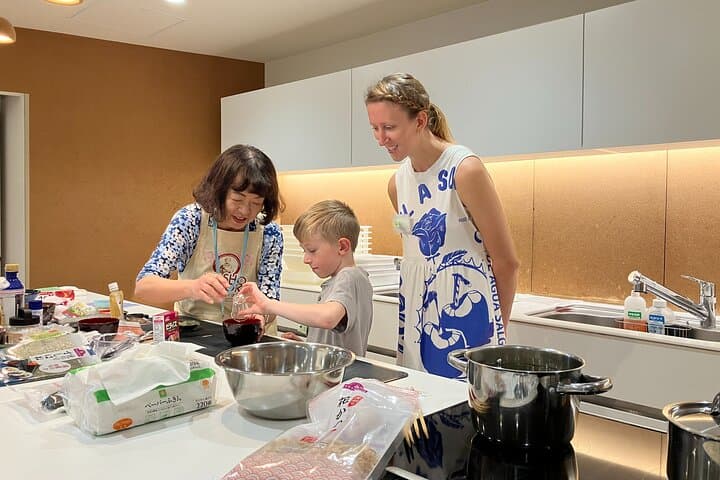
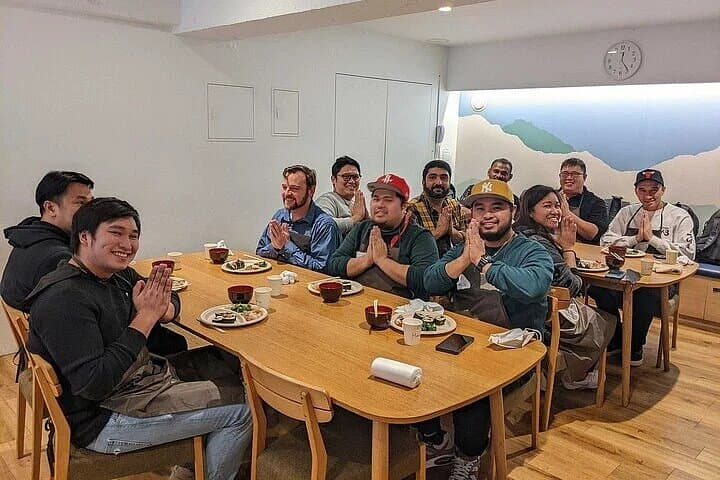
Expect a mix of pavement and park paths, frequent short stops for photos or snacks, and a small-group, customizable itinerary where you choose two to three sights. The cooking session covers preparing simmered aburaage and seasoning sushi rice, with time to eat what you make.
Practical edge: bring a Suica/Pasmo card, comfortable shoes for roughly 6 km of walking spread across the day, and notify the guide about allergies (soy, gluten, egg are relevant). Start times vary; the tour requires a minimum of four people per booking. This is a steady, urban exploration paired with a cultural kitchen workshop — ideal for travelers who want city history, food craft, and a guide who keeps logistics simple.
easy.
6 hours.
Suitable for most travelers who can handle several short walks and standing for cooking prep; minimal elevation.
Notify the operator when booking and remind your guide on the day; the class lists common allergens (soy, gluten, egg) and adjustments may be possible.
Meeting is on foot within a designated Tokyo area determined at booking; the guide drops the group at Patia’s for the cooking class.
Yes — the listing notes wheelchair and stroller accessibility, but contact the operator for specifics about routes and restaurant access.
Yes — you choose 2–3 stops from the provided list and the private guide will tailor the route to your interests after booking.
The tour threads through Edo-period sites and gardens tied to the Tokugawa era; inari sushi itself dates back to the Edo period about 400 years ago.
Respect shrine grounds and garden signage, avoid single-use plastics, and support local businesses to keep neighborhood character intact.
Japan Guide Agency operates guided outdoor trips and adventures with an emphasis on safety, stewardship, and memorable experiences.
You step out of a subway and the city rearranges itself around you: narrow shopping streets, shrine gates, a spray of neon in the distance. Over six hours a licensed English-speaking guide threads you through Tokyo’s urban layers — from the Edo echoes of Asakusa to the clipped lawns of the Imperial Palace outer grounds — before dropping you at Patia’s Japanese Cooking Class for a hands-on inari sushi lesson.
You step out of a subway and the city rearranges itself around you: narrow shopping streets, shrine gates, a spray of neon in the distance. Over six hours a licensed English-speaking guide threads you through Tokyo’s urban layers — from the Edo echoes of Asakusa to the clipped lawns of the Imperial Palace outer grounds — before dropping you at Patia’s Japanese Cooking Class for a hands-on inari sushi lesson.
History here is tactile. Edo-era markets and castle moats mark a political shift that remade Japan; garden designs from the Tokugawa era compress deliberate views into a single stroll. Geology is quieter — reclaimed bays around Odaiba and the alluvial plain that allowed Edo to grow — but cultural detail is abundant: shrine rituals, shop crafts, ramen steam and the measured etiquette of a sushi class whose core, inari, traces back roughly 400 years.
Expect a mix of pavement and park paths, frequent short stops for photos or snacks, and a small-group, customizable itinerary where you choose two to three sights. The cooking session covers preparing simmered aburaage and seasoning sushi rice, with time to eat what you make.
Practical edge: bring a Suica/Pasmo card, comfortable shoes for roughly 6 km of walking spread across the day, and notify the guide about allergies (soy, gluten, egg are relevant). Start times vary; the tour requires a minimum of four people per booking. This is a steady, urban exploration paired with a cultural kitchen workshop — ideal for travelers who want city history, food craft, and a guide who keeps logistics simple.