THE ADVENTURE COLLECTIVE® · Independent discovery and booking for outdoor travel

Combine a private walking tour of Tokyo’s historic neighborhoods with a hands-on pottery class in Shirokane. Explore temples and markets in the morning, then throw or hand-build your own ceramic piece at a local studio.
Combine a private walking tour of Tokyo’s historic neighborhoods with a hands-on pottery class in Shirokane. Explore temples and markets in the morning, then throw or hand-build your own ceramic piece at a local studio.
You step out into a Tokyo morning where glass towers and shrine gates share the same skyline. The licensed guide leads you through narrow alleys and broad boulevards, past a temple’s torii and a market where vendors call out over steamed fish and fried snacks.
Verified experiences and guided adventures in the surrounding area.
Operated by Japan Guide Agency · Tokyo, Tokyo
You step out into a Tokyo morning where glass towers and shrine gates share the same skyline. The licensed guide leads you through narrow alleys and broad boulevards, past a temple’s torii and a market where vendors call out over steamed fish and fried snacks.
The walk threads together Tokyo’s layered history: Edo-period gardens and Meiji-era shrines sit beside high-tech districts that rose after the postwar boom. Geology here is subtle—reclaimed land along Tokyo Bay, river terraces of the Sumida and a city shaped by seismic shifts—so the landscape feels human-made and evolving. Culture manifests in small details: lacquered temple fences, a teahouse at Hama Rikyu where seawater ponds reflect skyline glass, and the quiet concentration of a pottery studio in Shirokane.
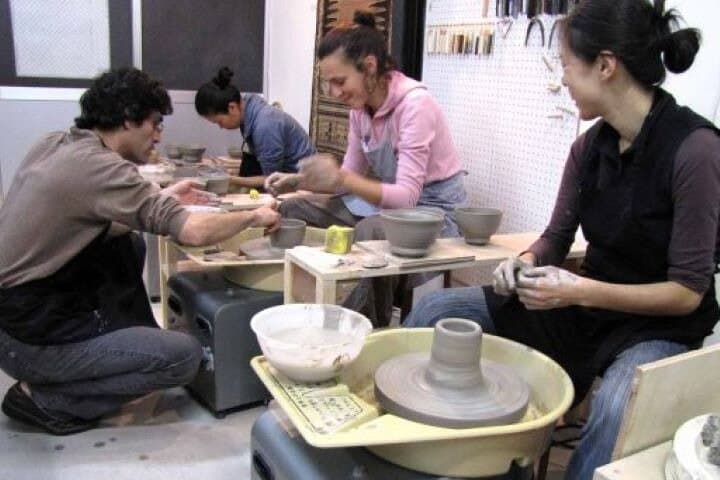
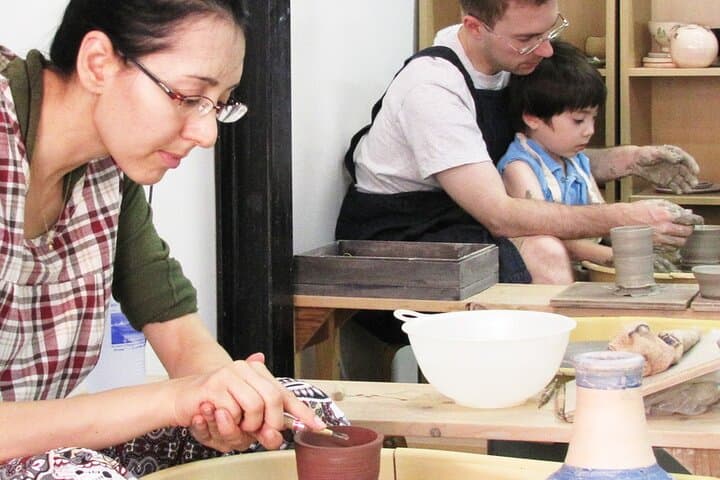
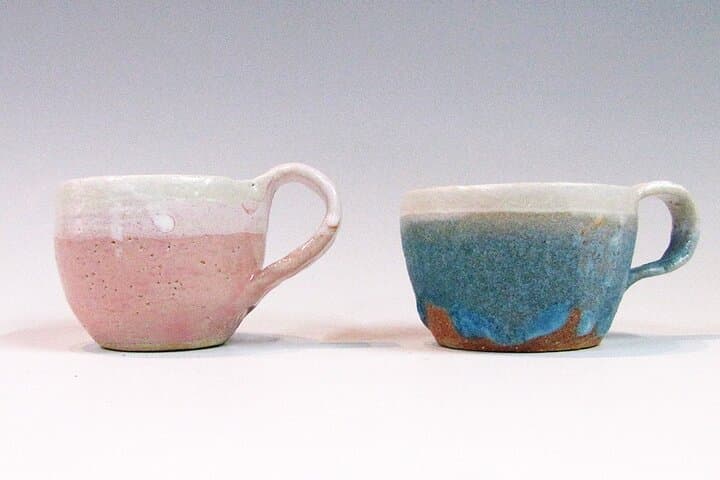
At Shirokane Ceramic Art School you trade the city’s hurried rhythm for the wheel’s steady spin. Wheel-throwing and hand-building offer different tempos: one physical and centrifugal, the other intimate and sculptural. Kiln firing and shipping are additional costs and turnaround can be up to three weeks—plan accordingly.
Practical guidance: wear comfortable walking shoes for up to 4–5 hours of on-foot touring, bring a small daypack with water and a compact umbrella (Tokyo weather changes fast), and allow extra time if you want to shop or enter museums. The pottery hour is hands-on; remove long sleeves or secure them and expect to get your hands muddy. This hybrid day rewards curiosity—urban discovery followed by a tangible souvenir you helped create.
easy.
6 hours.
Light urban walking stamina; able to stand and walk for several hours and handle brief stairs.
No—classes accommodate beginners with step-by-step instruction for wheel-throwing or hand-building.
This is a walking tour; meet the guide in the designated area and use public transport between distant sites if requested.
Standard kiln firing takes up to about three weeks; the studio offers an express option for an extra fee.
Children aged 4 and up can join the pottery portion; younger children must be supervised during the walking portions.
Tokyo’s urban layout preserves Edo-period gardens and Meiji-era shrines alongside modern districts rebuilt after wartime destruction and rapid postwar development.
Respect shrine grounds and gardens by staying on paths, carry out waste, and support studios that use sustainably sourced glazes and responsible kiln practices.
Japan Guide Agency operates guided outdoor trips and adventures with an emphasis on safety, stewardship, and memorable experiences.

You step out into a Tokyo morning where glass towers and shrine gates share the same skyline. The licensed guide leads you through narrow alleys and broad boulevards, past a temple’s torii and a market where vendors call out over steamed fish and fried snacks.
You step out into a Tokyo morning where glass towers and shrine gates share the same skyline. The licensed guide leads you through narrow alleys and broad boulevards, past a temple’s torii and a market where vendors call out over steamed fish and fried snacks.
The walk threads together Tokyo’s layered history: Edo-period gardens and Meiji-era shrines sit beside high-tech districts that rose after the postwar boom. Geology here is subtle—reclaimed land along Tokyo Bay, river terraces of the Sumida and a city shaped by seismic shifts—so the landscape feels human-made and evolving. Culture manifests in small details: lacquered temple fences, a teahouse at Hama Rikyu where seawater ponds reflect skyline glass, and the quiet concentration of a pottery studio in Shirokane.
At Shirokane Ceramic Art School you trade the city’s hurried rhythm for the wheel’s steady spin. Wheel-throwing and hand-building offer different tempos: one physical and centrifugal, the other intimate and sculptural. Kiln firing and shipping are additional costs and turnaround can be up to three weeks—plan accordingly.
Practical guidance: wear comfortable walking shoes for up to 4–5 hours of on-foot touring, bring a small daypack with water and a compact umbrella (Tokyo weather changes fast), and allow extra time if you want to shop or enter museums. The pottery hour is hands-on; remove long sleeves or secure them and expect to get your hands muddy. This hybrid day rewards curiosity—urban discovery followed by a tangible souvenir you helped create.