THE ADVENTURE COLLECTIVE® · Independent discovery and booking for outdoor travel

Combine a five-hour guided walking tour of Tokyo’s gardens, shrines and neighborhoods with a 30-minute flight simulator session. This private, customizable half-day experience pairs urban exploration with a hands-on aviation intro.
Combine a five-hour guided walking tour of Tokyo’s gardens, shrines and neighborhoods with a 30-minute flight simulator session. This private, customizable half-day experience pairs urban exploration with a hands-on aviation intro.
You step out into a Tokyo morning where neon recedes and the city’s quieter corners open up into garden paths and temple gates. The guide threads through neighborhoods — from the incense-scented approach to Sensoji, across the broad lawns of Shinjuku Gyoen, past the tidal ponds of Hama Rikyu — each stop a different face of the metropolis.
Verified experiences and guided adventures in the surrounding area.
Operated by Japan Guide Agency · Tokyo, Tokyo
You step out into a Tokyo morning where neon recedes and the city’s quieter corners open up into garden paths and temple gates. The guide threads through neighborhoods — from the incense-scented approach to Sensoji, across the broad lawns of Shinjuku Gyoen, past the tidal ponds of Hama Rikyu — each stop a different face of the metropolis.
Tokyo’s urban fabric is layered: Edo-period gardens like Rikugien and Koishikawa Korakuen were engineered to compress scenic landscapes into small plots, while modern districts such as Shibuya and Akihabara reflect postwar economic shifts and subcultural growth. Geology here is subtle — reclaimed land at Odaiba, tidal influences at Hama Rikyu — and history is written into stone walls, shrine gates and market alleys.
The experience is practical and adaptable: pick two to three sights with your licensed English-speaking guide, expect mostly flat city sidewalks, short park trails and occasional shrine steps. After roughly five hours of walking, the group transfers to a dedicated facility for a 30-minute flight simulator session (age minimum: 8). The simulator is non-motion and focuses on cockpit procedures and visuals.
Plan for urban conditions: wear cushioned shoes, carry a transit card, and allow time for subway hops between clusters. Mornings are best for parks; late afternoons bring neon and a livelier street-food scene. Hydrate through humid months and check public-transport schedules if you plan to extend the route. For travelers who want a compact introduction to Tokyo’s contrasts — historic gardens, bustling crossings and a hands-on aviation diversion — this pairing delivers a grounded, sensory-packed half-day.
easy.
6 hours.
Suitable for most fitness levels; you should be comfortable walking several miles at a relaxed pace and navigating city steps.
Yes — pick 2–3 locations from the suggested list when you confirm or coordinate with your guide at the start of the tour.
This is a walking tour; public transport options are nearby and the guide will direct you to short subway or taxi links if needed.
Major parks like Shinjuku Gyoen and Hama Rikyu have paved sections and accessible entrances, but some temples and older garden paths include steps—check with the operator ahead for route adjustments.
The session is a 30-minute, non-motion simulator focusing on visual and procedural experience; minimum age is 8 and advance notice is required for special needs.
Many gardens date to the Edo period and were designed as miniature landscapes reflecting poetic scenes; the Imperial Palace grounds sit on the former Edo Castle site.
Respect garden rules (stay on paths, avoid feeding wildlife) and use public transit to minimize carbon footprint; many sites limit group sizes to reduce wear.
Japan Guide Agency operates guided outdoor trips and adventures with an emphasis on safety, stewardship, and memorable experiences.



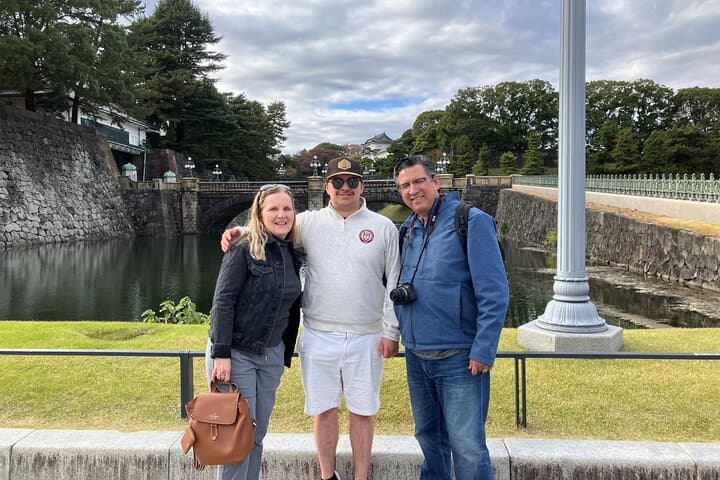
You step out into a Tokyo morning where neon recedes and the city’s quieter corners open up into garden paths and temple gates. The guide threads through neighborhoods — from the incense-scented approach to Sensoji, across the broad lawns of Shinjuku Gyoen, past the tidal ponds of Hama Rikyu — each stop a different face of the metropolis.
You step out into a Tokyo morning where neon recedes and the city’s quieter corners open up into garden paths and temple gates. The guide threads through neighborhoods — from the incense-scented approach to Sensoji, across the broad lawns of Shinjuku Gyoen, past the tidal ponds of Hama Rikyu — each stop a different face of the metropolis.
Tokyo’s urban fabric is layered: Edo-period gardens like Rikugien and Koishikawa Korakuen were engineered to compress scenic landscapes into small plots, while modern districts such as Shibuya and Akihabara reflect postwar economic shifts and subcultural growth. Geology here is subtle — reclaimed land at Odaiba, tidal influences at Hama Rikyu — and history is written into stone walls, shrine gates and market alleys.
The experience is practical and adaptable: pick two to three sights with your licensed English-speaking guide, expect mostly flat city sidewalks, short park trails and occasional shrine steps. After roughly five hours of walking, the group transfers to a dedicated facility for a 30-minute flight simulator session (age minimum: 8). The simulator is non-motion and focuses on cockpit procedures and visuals.
Plan for urban conditions: wear cushioned shoes, carry a transit card, and allow time for subway hops between clusters. Mornings are best for parks; late afternoons bring neon and a livelier street-food scene. Hydrate through humid months and check public-transport schedules if you plan to extend the route. For travelers who want a compact introduction to Tokyo’s contrasts — historic gardens, bustling crossings and a hands-on aviation diversion — this pairing delivers a grounded, sensory-packed half-day.