THE ADVENTURE COLLECTIVE® · Independent discovery and booking for outdoor travel

A six-hour private walking tour through Tokyo’s neighborhoods that ends in a two-hour Gyudon cooking class. Explore Asakusa, Imperial Palace grounds, Meiji Shrine or Tsukiji, then learn to make Japan’s beloved beef-bowl.
A six-hour private walking tour through Tokyo’s neighborhoods that ends in a two-hour Gyudon cooking class. Explore Asakusa, Imperial Palace grounds, Meiji Shrine or Tsukiji, then learn to make Japan’s beloved beef-bowl.
You step away from a humming Shinjuku street and into a guide’s measured pace — neon giving way to narrow lanes, shrines tucked behind modern facades, and the faint smell of grilling skewers drawing you on.
Verified experiences and guided adventures in the surrounding area.
Operated by Japan Guide Agency · Tokyo, Tokyo
You step away from a humming Shinjuku street and into a guide’s measured pace — neon giving way to narrow lanes, shrines tucked behind modern facades, and the faint smell of grilling skewers drawing you on.
Across six hours you’ll move through Tokyo’s living history: the low-city alleys of Asakusa with Sensoji’s thunderous gate, the moated stone walls of the Imperial Palace grounds that mark the footprint of Edo Castle, and the tree-canopied strolls of Meiji Shrine or Shinjuku Gyoen. Geology here is subtle but present — Tokyo sits on an alluvial plain and reclaimed shoreline, which shaped port districts like Tsukiji and the artificial island of Odaiba.
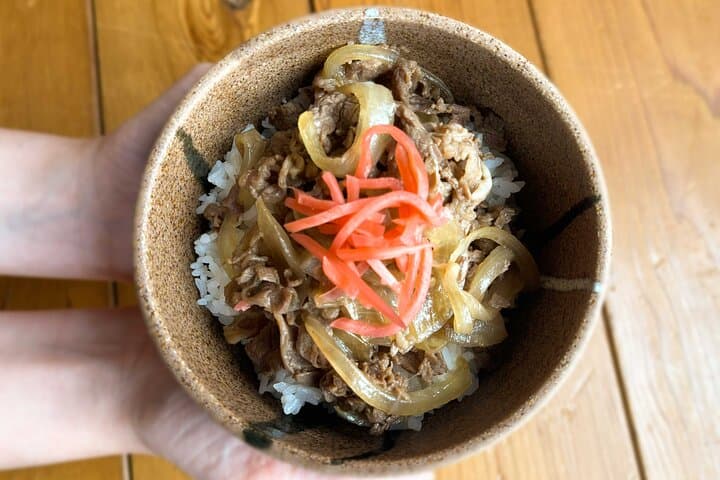
Culturally, the tour balances old and new: wooden shops in Yanaka, electronics and otaku culture in Akihabara, and the crowded choreography of Shibuya Crossing. The final act is practical and hands-on at Patia’s Japanese Cooking Class, where you learn to build Gyudon — thin-sliced beef and onions simmered in soy, mirin and sake — a dish that reflects Japan’s quick, comforting food culture.
Plan for four hours of steady walking and two hours in a small-group kitchen. Wear supportive shoes, keep a small wallet for snacks and shrine offerings, and book morning starts to avoid afternoon humidity in summer. Public transit connects most stops; your licensed English-speaking guide will customize the route with 2–3 chosen sights. Expect accessible surfaces, light urban exploration, and a rewarding hands-on meal to cap the day.
easy.
6 hours.
Light urban fitness—comfortable walking for several hours and standing during a hands-on cooking lesson.
Yes — the operator notes surfaces and transportation options are wheelchair accessible; confirm specifics with your guide when booking.
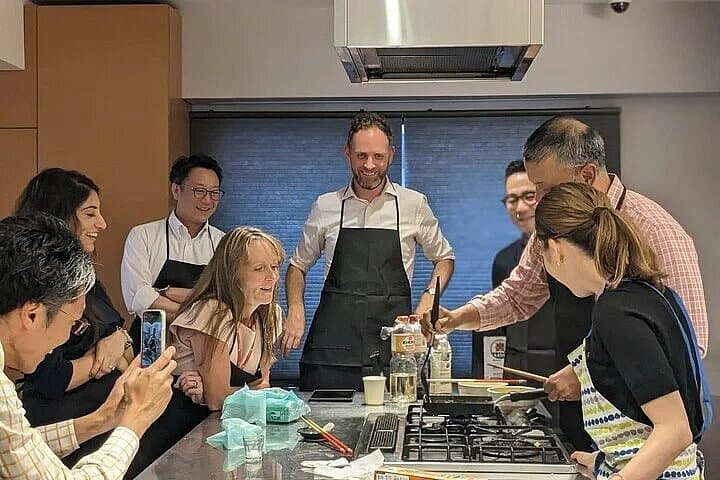
The two-hour session covers ingredient prep, cooking technique, and assembling the beef bowl; participants typically eat what they prepare.
Yes — after booking you can pick 2–3 sights from the suggested list and the licensed guide will tailor the walking route.
Yes — the tour relies on walking and short public-transit hops; Japan Rail Pass holders should check transfer needs in advance.
Many stops sit on Edo-period foundations — the Imperial Palace grounds were once Edo Castle, the seat of the Tokugawa shogunate that shaped modern Tokyo.
Urban green spaces like Shinjuku Gyoen and Meiji Shrine are actively managed to protect mature trees and biodiversity — stick to paths and avoid feeding wildlife.
Japan Guide Agency operates guided outdoor trips and adventures with an emphasis on safety, stewardship, and memorable experiences.


You step away from a humming Shinjuku street and into a guide’s measured pace — neon giving way to narrow lanes, shrines tucked behind modern facades, and the faint smell of grilling skewers drawing you on.
You step away from a humming Shinjuku street and into a guide’s measured pace — neon giving way to narrow lanes, shrines tucked behind modern facades, and the faint smell of grilling skewers drawing you on.
Across six hours you’ll move through Tokyo’s living history: the low-city alleys of Asakusa with Sensoji’s thunderous gate, the moated stone walls of the Imperial Palace grounds that mark the footprint of Edo Castle, and the tree-canopied strolls of Meiji Shrine or Shinjuku Gyoen. Geology here is subtle but present — Tokyo sits on an alluvial plain and reclaimed shoreline, which shaped port districts like Tsukiji and the artificial island of Odaiba.
Culturally, the tour balances old and new: wooden shops in Yanaka, electronics and otaku culture in Akihabara, and the crowded choreography of Shibuya Crossing. The final act is practical and hands-on at Patia’s Japanese Cooking Class, where you learn to build Gyudon — thin-sliced beef and onions simmered in soy, mirin and sake — a dish that reflects Japan’s quick, comforting food culture.
Plan for four hours of steady walking and two hours in a small-group kitchen. Wear supportive shoes, keep a small wallet for snacks and shrine offerings, and book morning starts to avoid afternoon humidity in summer. Public transit connects most stops; your licensed English-speaking guide will customize the route with 2–3 chosen sights. Expect accessible surfaces, light urban exploration, and a rewarding hands-on meal to cap the day.