THE ADVENTURE COLLECTIVE® · Independent discovery and booking for outdoor travel

Spend a day in Tokaj where vineyard rows, a century-old cellar and a Bodrog boat ride come together. This guided city and wine tour pairs tasting and local history with gentle walks and riverside views.
Spend a day in Tokaj where vineyard rows, a century-old cellar and a Bodrog boat ride come together. This guided city and wine tour pairs tasting and local history with gentle walks and riverside views.
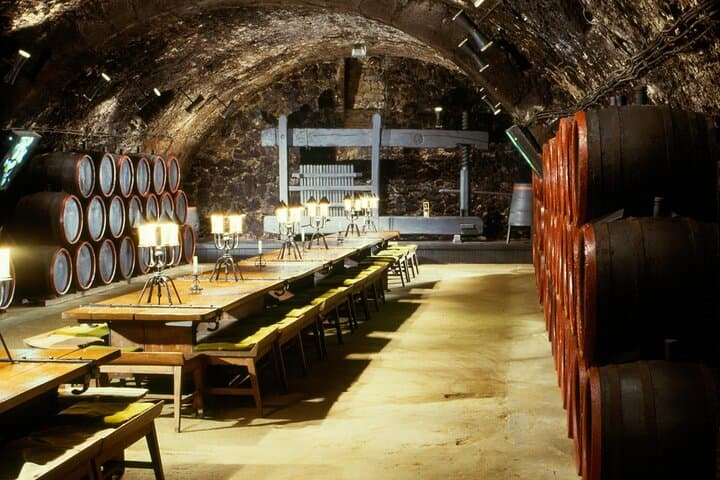
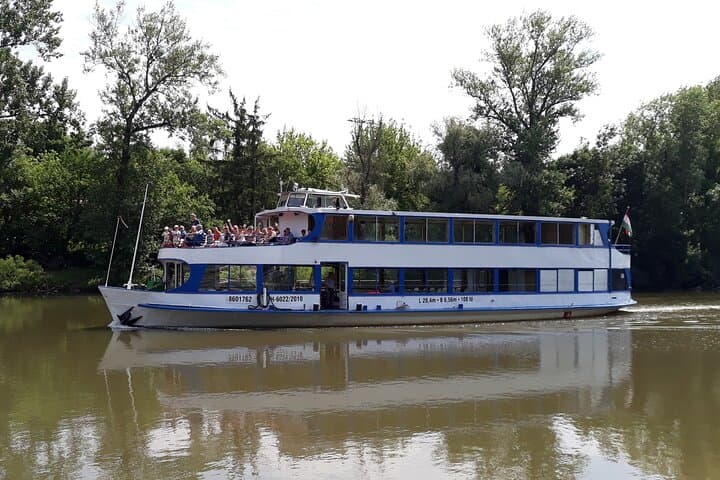
You step off the riverside terrace with the sun warming a glass of Tokaji on your palm and the Bodrog nudging the town’s quay—boats bob gently, the vineyard slopes beyond already marked by parallel rows. The day moves at a human pace: a vineyard walk among trained vines, a leisurely lunch by the river, a curious butterfly exhibition, a century-old cellar tasting and a late-afternoon boat ride down the Bodrog.
Verified experiences and guided adventures in the surrounding area.
Operated by VinXtuR Travel - the wine tourism expert · Tokaj, Borsod-Abaúj-Zemplén
You step off the riverside terrace with the sun warming a glass of Tokaji on your palm and the Bodrog nudging the town’s quay—boats bob gently, the vineyard slopes beyond already marked by parallel rows. The day moves at a human pace: a vineyard walk among trained vines, a leisurely lunch by the river, a curious butterfly exhibition, a century-old cellar tasting and a late-afternoon boat ride down the Bodrog.
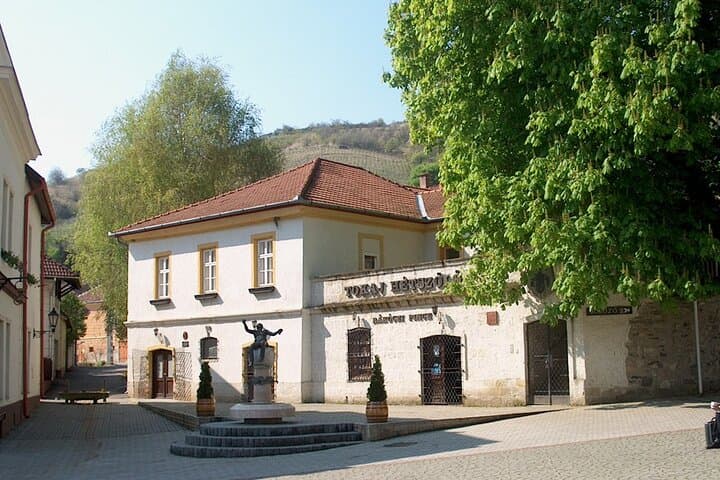
Tokaj’s fame comes from volcanic soils and a unique microclimate that helped create Tokaji Aszú, Hungary’s legendary dessert wine. The steep loess and rhyolitic tuff on the slopes, fed by warm southerly winds and mist from the rivers, create concentrated grapes prized since the 17th century. The town itself grew around wine commerce; narrow streets and cellar vaults reflect that working wine culture.
Expect a mix of short walks on packed-earth vineyard tracks and cobbled streets, cellar steps and gentle boarding onto a covered dayboat. The tasting sequence typically spans dry whites to sweet Aszú samples; guides explain classification and pairing. On the water the Bodrog offers a slower view of patchwork farmland and reed edges that host migrating birds.
Practical tips: wear sturdy walking shoes with grip for uneven cellar steps; bring a light layer for breezy river conditions; carry a refillable water bottle—alcohol and sun combine quickly. The full program runs about 6–7 hours with moderate walking and easy pace; most visitors find it culturally rich and physically accessible.
moderate.
6–7 hours.
Moderate fitness: able to stand during tastings and walk short vineyard slopes and cobbles.
Yes—private transport between vineyards, the town center and the boat launch is included in the package.
Yes—small amounts of Tokaj wine are commonly served on the boat, but guides encourage responsible consumption.
The tour involves stepped cellars and uneven streets; those with limited mobility should notify the operator in advance to discuss accommodations.
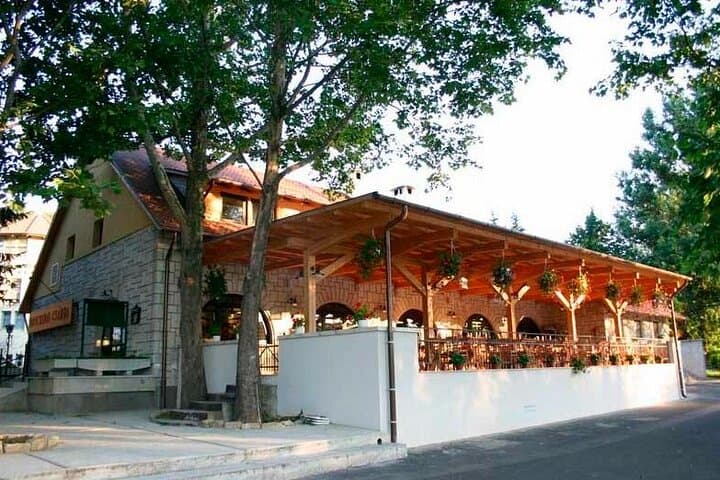
Lunch is provided at a riverside restaurant; cellar tastings focus on wine samples rather than full food pairings, though local sweets and coffee are offered in town.
Tokaj’s wine trade expanded from the 17th century; its classification and export markets helped shape the town’s cellars and commercial architecture.
Riverbank habitats and vineyard terraces depend on careful erosion control and restrained pesticide use—many estates favor sustainable viticulture to protect soil and bird habitats.
VinXtuR Travel - the wine tourism expert operates guided outdoor trips and adventures with an emphasis on safety, stewardship, and memorable experiences.
You step off the riverside terrace with the sun warming a glass of Tokaji on your palm and the Bodrog nudging the town’s quay—boats bob gently, the vineyard slopes beyond already marked by parallel rows. The day moves at a human pace: a vineyard walk among trained vines, a leisurely lunch by the river, a curious butterfly exhibition, a century-old cellar tasting and a late-afternoon boat ride down the Bodrog.
You step off the riverside terrace with the sun warming a glass of Tokaji on your palm and the Bodrog nudging the town’s quay—boats bob gently, the vineyard slopes beyond already marked by parallel rows. The day moves at a human pace: a vineyard walk among trained vines, a leisurely lunch by the river, a curious butterfly exhibition, a century-old cellar tasting and a late-afternoon boat ride down the Bodrog.
Tokaj’s fame comes from volcanic soils and a unique microclimate that helped create Tokaji Aszú, Hungary’s legendary dessert wine. The steep loess and rhyolitic tuff on the slopes, fed by warm southerly winds and mist from the rivers, create concentrated grapes prized since the 17th century. The town itself grew around wine commerce; narrow streets and cellar vaults reflect that working wine culture.
Expect a mix of short walks on packed-earth vineyard tracks and cobbled streets, cellar steps and gentle boarding onto a covered dayboat. The tasting sequence typically spans dry whites to sweet Aszú samples; guides explain classification and pairing. On the water the Bodrog offers a slower view of patchwork farmland and reed edges that host migrating birds.
Practical tips: wear sturdy walking shoes with grip for uneven cellar steps; bring a light layer for breezy river conditions; carry a refillable water bottle—alcohol and sun combine quickly. The full program runs about 6–7 hours with moderate walking and easy pace; most visitors find it culturally rich and physically accessible.