THE ADVENTURE COLLECTIVE® · Independent discovery and booking for outdoor travel

Walk a cathedral of cedars to reach Togakushi’s shrine precincts, learn mountain-worship history and ninja lore, and savor handmade soba on a private, guided day trip from Nagano. This five- to six-hour tour combines culture, quiet forest walks and local flavors.
Walk a cathedral of cedars to reach Togakushi’s shrine precincts, learn mountain-worship history and ninja lore, and savor handmade soba on a private, guided day trip from Nagano. This five- to six-hour tour combines culture, quiet forest walks and local flavors.
A cool mountain air meets the hush of ancient trees as visitors step from a private car onto Togakushi’s cedar avenue. The trunks stand like patient hosts; the forest guides footsteps toward three shrine precincts—Lower (Hokosha), Middle (Chusha) and the remote Upper (Okusha)—each offering a different rhythm of silence and ritual. The walk to the Upper Shrine typically takes 30–40 minutes along a well-trodden, gently rising forest path where moss and stone steps mark centuries of pilgrimage.
Verified experiences and guided adventures in the surrounding area.
Operated by Omotenashi Travel Nagano · Nagano, Nagano Prefecture
A cool mountain air meets the hush of ancient trees as visitors step from a private car onto Togakushi’s cedar avenue. The trunks stand like patient hosts; the forest guides footsteps toward three shrine precincts—Lower (Hokosha), Middle (Chusha) and the remote Upper (Okusha)—each offering a different rhythm of silence and ritual. The walk to the Upper Shrine typically takes 30–40 minutes along a well-trodden, gently rising forest path where moss and stone steps mark centuries of pilgrimage.
Togakushi sits on the flanks of the northern Nagano ranges and carries a layered history: Shinto mountain worship, local shugendō practices and a practical association with ninja training that grew in regional folklore. Geologically the area is volcanic in origin, with drainage that carved the valleys and fed the cedar growth that now frames the approach. Culturally, Togakushi is also a soba center—handmade buckwheat noodles remain a local craft, often enjoyed at small restaurants near the shrine.
On a private tour with an English-speaking guide, travelers avoid crowded transit, gain local context and pause where they choose; photographic keepsakes are typically provided. Practical notes: the cedar path is uneven and can be slippery when wet, so wear grippy footwear and layers. Bring cash for small shops, plan morning starts to miss the busiest window, and allow five to six hours for round-trip transport, walks and a relaxed soba lunch. Respect shrine etiquette—bow at torii, remove hats, and keep voices low in sacred spaces.
easy.
5–6 hours.
Suitable for most fitness levels; requires walking on uneven forest steps and short uphill sections
Expect a 30–40 minute walk through the cedar avenue to reach the Upper Shrine; pace varies with stops and photo breaks.
Yes; the tour is described as physically easy, but the cedar path has uneven steps — disclose mobility concerns to the guide so they can adjust pacing and stops.
Lunch at a handmade soba restaurant is included on most itineraries; inform the operator of dietary restrictions in advance so the guide can select an appropriate venue.
Public transport requires transfers and can be slow; buses and local trains reach Togakushi but schedules are less flexible than a private car and may add significant travel time.
Togakushi evolved as a mountain-worship site tied to Shinto and shugendō practices; the nearby legend of ninja activity grew from historical local militias and folklore.
The cedar avenue and surrounding forest are protected through local shrine stewardship; visitors should stick to marked paths, avoid litter and minimize noise to protect undergrowth and wildlife.
Omotenashi Travel Nagano operates guided outdoor trips and adventures with an emphasis on safety, stewardship, and memorable experiences.
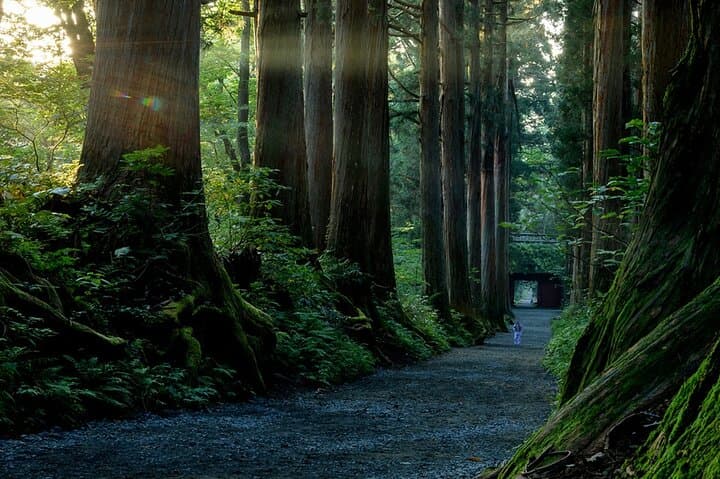
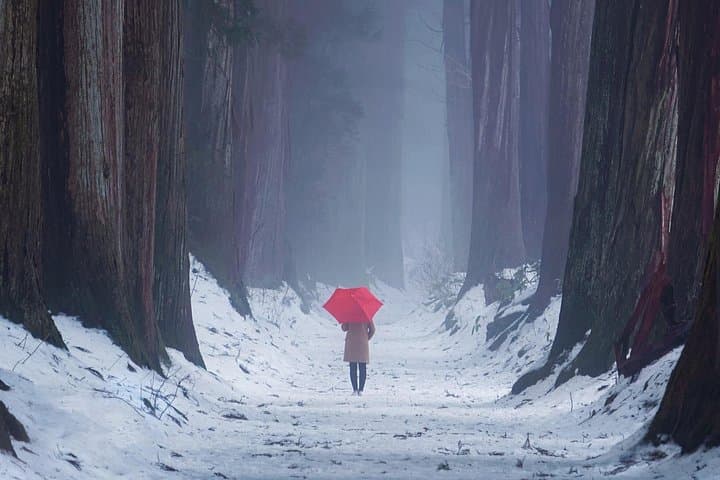
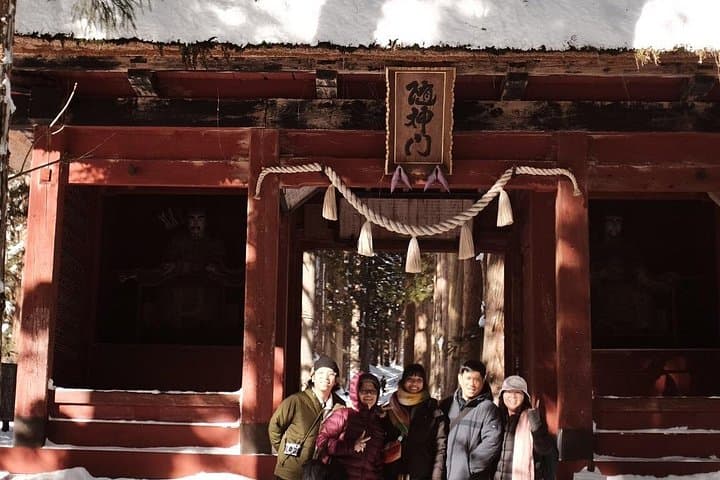
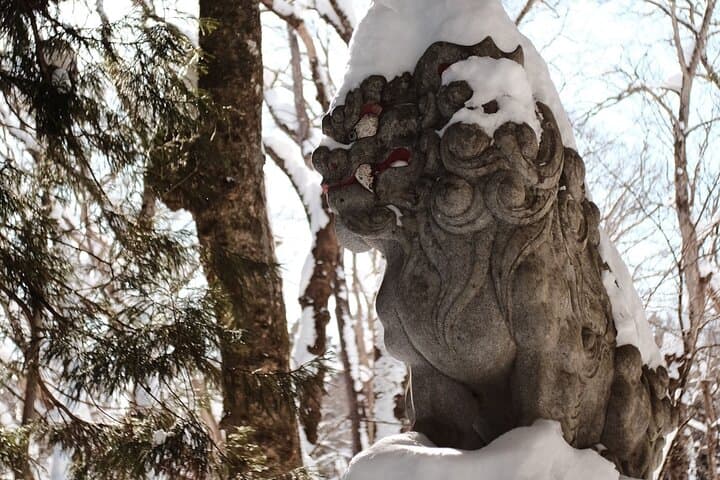
A cool mountain air meets the hush of ancient trees as visitors step from a private car onto Togakushi’s cedar avenue. The trunks stand like patient hosts; the forest guides footsteps toward three shrine precincts—Lower (Hokosha), Middle (Chusha) and the remote Upper (Okusha)—each offering a different rhythm of silence and ritual. The walk to the Upper Shrine typically takes 30–40 minutes along a well-trodden, gently rising forest path where moss and stone steps mark centuries of pilgrimage.
A cool mountain air meets the hush of ancient trees as visitors step from a private car onto Togakushi’s cedar avenue. The trunks stand like patient hosts; the forest guides footsteps toward three shrine precincts—Lower (Hokosha), Middle (Chusha) and the remote Upper (Okusha)—each offering a different rhythm of silence and ritual. The walk to the Upper Shrine typically takes 30–40 minutes along a well-trodden, gently rising forest path where moss and stone steps mark centuries of pilgrimage.
Togakushi sits on the flanks of the northern Nagano ranges and carries a layered history: Shinto mountain worship, local shugendō practices and a practical association with ninja training that grew in regional folklore. Geologically the area is volcanic in origin, with drainage that carved the valleys and fed the cedar growth that now frames the approach. Culturally, Togakushi is also a soba center—handmade buckwheat noodles remain a local craft, often enjoyed at small restaurants near the shrine.
On a private tour with an English-speaking guide, travelers avoid crowded transit, gain local context and pause where they choose; photographic keepsakes are typically provided. Practical notes: the cedar path is uneven and can be slippery when wet, so wear grippy footwear and layers. Bring cash for small shops, plan morning starts to miss the busiest window, and allow five to six hours for round-trip transport, walks and a relaxed soba lunch. Respect shrine etiquette—bow at torii, remove hats, and keep voices low in sacred spaces.