THE ADVENTURE COLLECTIVE® · Independent discovery and booking for outdoor travel

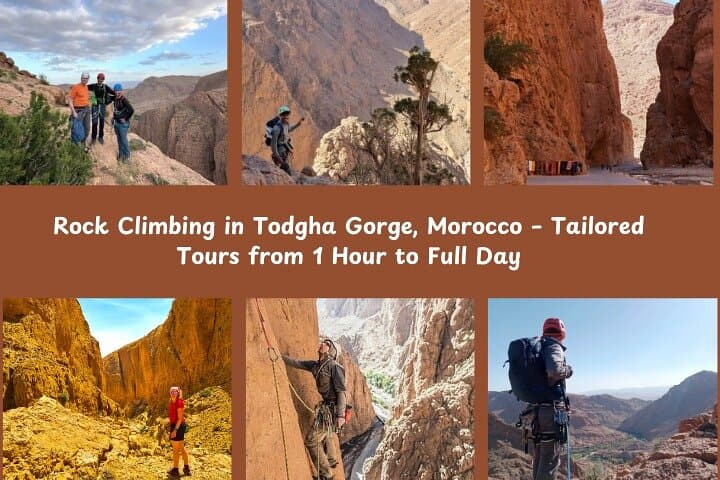
Climb Todgha Gorge’s towering limestone walls under the eye of a local expert. Guided routes range from beginner-friendly sport climbs to long multi-pitch lines—perfect for experienced climbers seeking vertical altitude and cultural context in Morocco’s High Atlas.
Climb Todgha Gorge’s towering limestone walls under the eye of a local expert. Guided routes range from beginner-friendly sport climbs to long multi-pitch lines—perfect for experienced climbers seeking vertical altitude and cultural context in Morocco’s High Atlas.
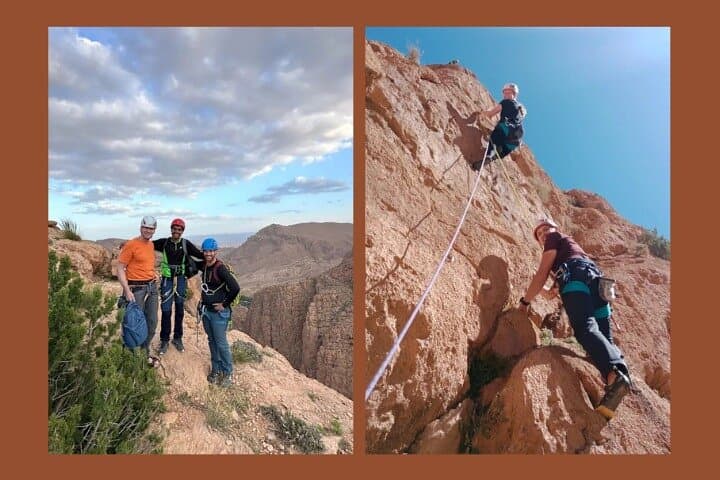
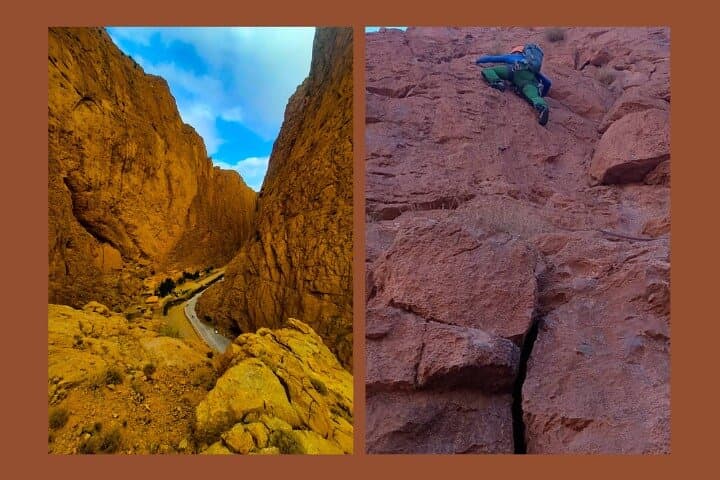
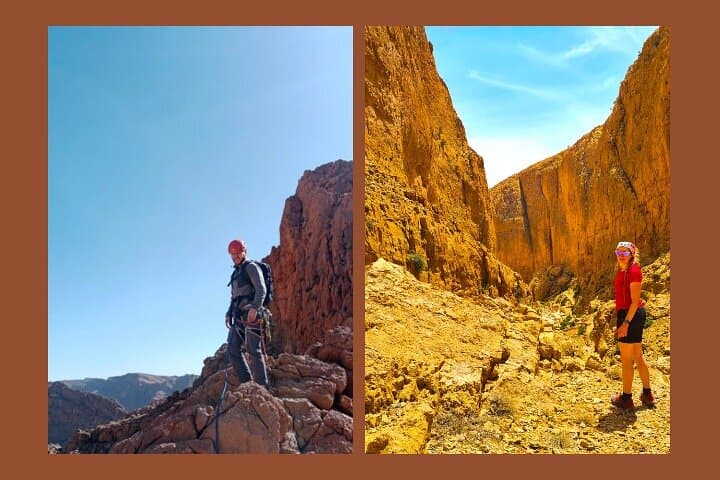
The sun hits the canyon wall like a starting pistol: a smear of light racing up vertical limestone, revealing pockets and seams that have shaped climbing history here. You stand at the river’s edge as the gorge narrows—two sheer cliffs rising like pages of an open book—while your guide Abdulmajed clips the first quickdraw and checks your harness with a practiced, unfussy calm. The air smells of dust, citrus trees from nearby orchards, and the dry iron tang of exposed rock.
Verified experiences and guided adventures in the surrounding area.
Operated by DesertTrail Adventures · Tinerhir, Drâa-Tafilalet
The sun hits the canyon wall like a starting pistol: a smear of light racing up vertical limestone, revealing pockets and seams that have shaped climbing history here. You stand at the river’s edge as the gorge narrows—two sheer cliffs rising like pages of an open book—while your guide Abdulmajed clips the first quickdraw and checks your harness with a practiced, unfussy calm. The air smells of dust, citrus trees from nearby orchards, and the dry iron tang of exposed rock.
Todgha (Todra) Gorge cuts through the eastern High Atlas in a show of geological purpose. The gorge is a carved corridor of compact, fossil-rich limestone where the Todgha River once concentrated its energy into a corridor of sheer faces and narrow slots. Climbers come for technical sport lines and breath-stealing multi-pitch routes—many bolted and ranging from 4a to 8b—with the longest pitches and multi-pitch climbs topping out beyond 500 meters.
Culturally the valley is small-scale and Berber-led: kasbahs and mudbrick villages hug terraces and irrigated date groves. Tinerhir (Tinghir) is the practical base for most visitors, a market town where the rhythm of prayer calls and tractor engines coexist. Guides like Abdulmajed are local fixers — part climbing coach, part cultural interpreter — who know the best sectors, the seasonal quirks, and which guesthouses will cook a restorative tajine after a hard day.
If you’re planning a route, expect steep, mostly bolted limestone with variable protection on older lines. Most guided full-day sessions run five to six hours; shorter introductions are common for beginners. Mornings in spring and autumn are prime — sunlight climbs the walls slowly, cooling air still clinging to the riverbed — whereas summer afternoons can bake the rock.
Practical notes: the operator supplies ropes, harnesses, helmets, and hardware. Bring stiff-soled approach shoes with sticky rubber, finger tape, and a lightweight rope bag if you have one. Hydration is non-negotiable; there’s little shade on popular walls, and water supplied by guides can be insufficient on hot days.
Respect the local environment. Use established anchors, avoid adding unauthorized bolts, and pack out all trash. Ask your guide about quieter sectors to avoid crowding popular routes.
Whether you’re clipping bolts on a single-pitch warm-up or trusting your leader on a 200–500 meter multi-pitch, Todgha tests technical skill and rewards focused attention. The canyon gives you vertical perspective: rock that demands respect, light that shifts on a minute-by-minute schedule, and a valley whose human scale makes every summit feel like a small, earned ceremony.
challenging.
3–6 hours.
Moderate to strong cardiovascular fitness recommended—able to manage sustained climbing efforts, scrambling approaches, and exposure.
No—guided sessions accommodate beginners, but multi-pitch routes require basic rope skills or a guide-led instruction session.
Yes—ropes, harnesses, helmets, and most hardware are supplied by the operator.
Tinerhir is the closest town; the gorge is a roughly 15–30 minute drive depending on your exact start point and road conditions.
Not recommended for people with serious heart issues, spinal problems, or for pregnant travelers; emphasize any health concerns when booking.
Spring and fall offer the best balance of temperature and friction; early starts are recommended in summer to avoid heat.
Guides can include lunch for full-day trips, but bring high-energy snacks for shorter sessions and any personal dietary needs.
Todgha Gorge sits on traditional Berber lands and grew in prominence as a climbing destination after sport bolting expanded in the late 20th century; local villages still farm irrigated terraces below the cliffs.
Stick to trails, use established anchors, and pack out trash; supporting local guides helps communities maintain access and minimize environmental impact.
DesertTrail Adventures operates guided outdoor trips and adventures with an emphasis on safety, stewardship, and memorable experiences.
The sun hits the canyon wall like a starting pistol: a smear of light racing up vertical limestone, revealing pockets and seams that have shaped climbing history here. You stand at the river’s edge as the gorge narrows—two sheer cliffs rising like pages of an open book—while your guide Abdulmajed clips the first quickdraw and checks your harness with a practiced, unfussy calm. The air smells of dust, citrus trees from nearby orchards, and the dry iron tang of exposed rock.
The sun hits the canyon wall like a starting pistol: a smear of light racing up vertical limestone, revealing pockets and seams that have shaped climbing history here. You stand at the river’s edge as the gorge narrows—two sheer cliffs rising like pages of an open book—while your guide Abdulmajed clips the first quickdraw and checks your harness with a practiced, unfussy calm. The air smells of dust, citrus trees from nearby orchards, and the dry iron tang of exposed rock.
Todgha (Todra) Gorge cuts through the eastern High Atlas in a show of geological purpose. The gorge is a carved corridor of compact, fossil-rich limestone where the Todgha River once concentrated its energy into a corridor of sheer faces and narrow slots. Climbers come for technical sport lines and breath-stealing multi-pitch routes—many bolted and ranging from 4a to 8b—with the longest pitches and multi-pitch climbs topping out beyond 500 meters.
Culturally the valley is small-scale and Berber-led: kasbahs and mudbrick villages hug terraces and irrigated date groves. Tinerhir (Tinghir) is the practical base for most visitors, a market town where the rhythm of prayer calls and tractor engines coexist. Guides like Abdulmajed are local fixers — part climbing coach, part cultural interpreter — who know the best sectors, the seasonal quirks, and which guesthouses will cook a restorative tajine after a hard day.
If you’re planning a route, expect steep, mostly bolted limestone with variable protection on older lines. Most guided full-day sessions run five to six hours; shorter introductions are common for beginners. Mornings in spring and autumn are prime — sunlight climbs the walls slowly, cooling air still clinging to the riverbed — whereas summer afternoons can bake the rock.
Practical notes: the operator supplies ropes, harnesses, helmets, and hardware. Bring stiff-soled approach shoes with sticky rubber, finger tape, and a lightweight rope bag if you have one. Hydration is non-negotiable; there’s little shade on popular walls, and water supplied by guides can be insufficient on hot days.
Respect the local environment. Use established anchors, avoid adding unauthorized bolts, and pack out all trash. Ask your guide about quieter sectors to avoid crowding popular routes.
Whether you’re clipping bolts on a single-pitch warm-up or trusting your leader on a 200–500 meter multi-pitch, Todgha tests technical skill and rewards focused attention. The canyon gives you vertical perspective: rock that demands respect, light that shifts on a minute-by-minute schedule, and a valley whose human scale makes every summit feel like a small, earned ceremony.