THE ADVENTURE COLLECTIVE® · Independent discovery and booking for outdoor travel

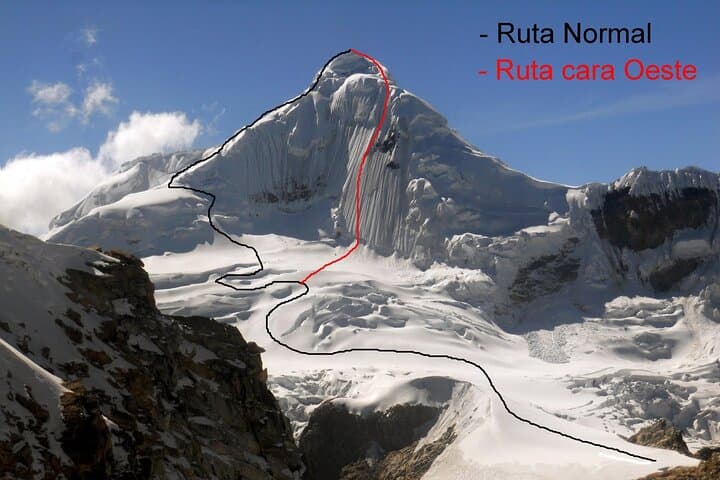
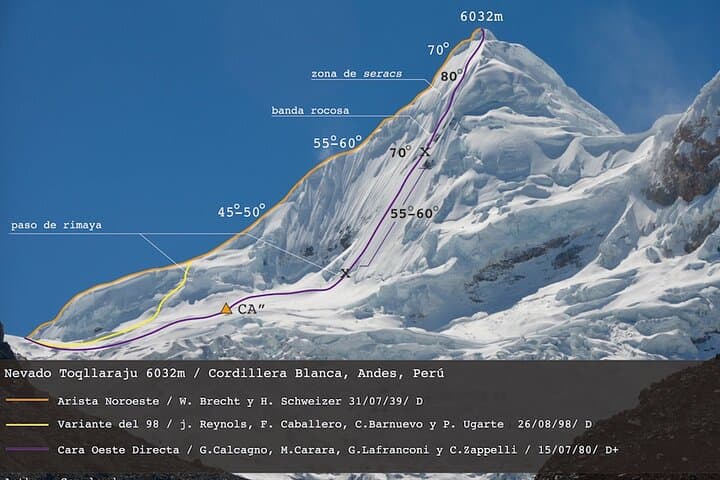
A compact, technical 4-day ascent into the Cordillera Blanca that pairs classic high-Andean trekking with steep glacier travel. Follow the Ishinca Valley to a moraine high camp, then push a long summit day on Tocllaraju’s northwest ridge.
A compact, technical 4-day ascent into the Cordillera Blanca that pairs classic high-Andean trekking with steep glacier travel. Follow the Ishinca Valley to a moraine high camp, then push a long summit day on Tocllaraju’s northwest ridge.
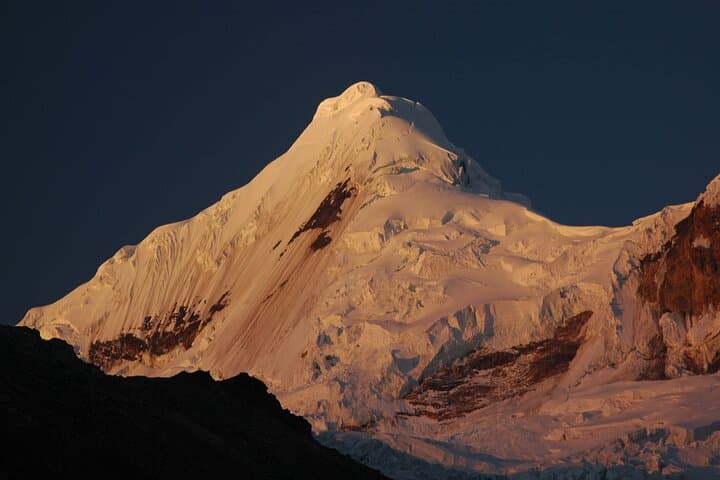
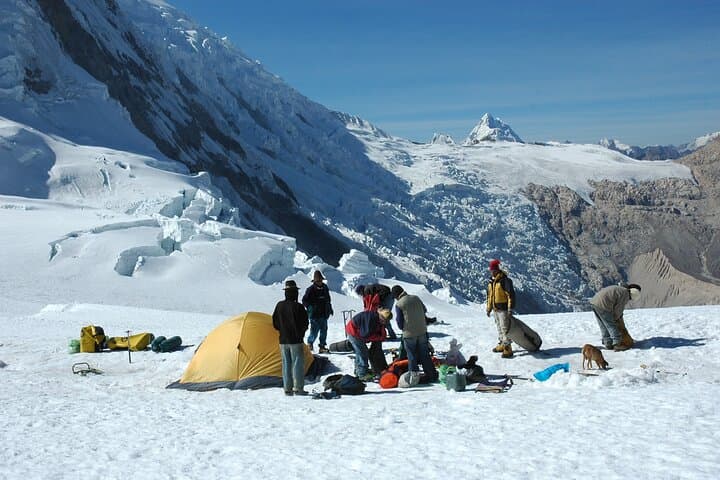
You step out of a dusty truck into thin, bright air and the Ishinca Valley opens like a corridor of stone and ice—rock ribs give way to a white crown high above. The first day is walking country: mule tracks, Polylepis trees, and a steady climb to Ishinca Base Camp where tents ruffle under a sky that sharpens with altitude.
Verified experiences and guided adventures in the surrounding area.
Operated by Peru Expeditions Tours · Huaraz, Ancash
You step out of a dusty truck into thin, bright air and the Ishinca Valley opens like a corridor of stone and ice—rock ribs give way to a white crown high above. The first day is walking country: mule tracks, Polylepis trees, and a steady climb to Ishinca Base Camp where tents ruffle under a sky that sharpens with altitude.
The Cordillera Blanca is the highest tropical range on Earth, carved from uplifted granitic batholiths and sculpted by thousands of years of glaciation. Tocllaraju (6,034 m) sits at the edge of that frozen engine: a classic northwest ridge that demands glacier travel, route-finding over moraine, and occasional steep ice sections. Local culture—Quechua-speaking mountain communities and muleteers—still shape the approach, with Refugio Don Bosco and small hamlets acting as logistical hubs.
Expect long days and a big summit push: day two climbs to a moraine camp near 4,950 m; summit day starts pre-dawn and can be 10–12 hours round-trip, with fixed ropes on the ridge and 50–75° ice depending on conditions. Descend via the same valley, passing Cochapampa Lake and stands of queñual before the transfer back to Huaraz.
Practical notes: proper acclimatization (several nights above 3,000–4,000 m beforehand) is non-negotiable, and technical skills in crampon and ice-axe use plus comfort on fixed ropes are required. Bring layered insulation, sun protection, a personal water system, and trust experienced local guides. Weather changes fast—move early on summit day and carry a headlamp, spare gloves, and a plan to turn back if the route conditions deteriorate.
expert.
4 days.
Strong high-altitude fitness with prior multi-day trekking and stamina for 10–12 hour summit days; ability to carry a daypack at altitude.
Yes—participants should have prior high-altitude trekking and basic alpine experience (crampons, ice axe); guides assume you can manage roped glacier travel.
The dry season (May–September) offers the most stable conditions and is the standard climbing window in the Cordillera Blanca.
Yes—the itinerary includes mule drivers and pack animals to transport group camping equipment and heavier loads on approach and return.
Rapid weather changes, unstable ice conditions, acute altitude illness, or guide assessment of objective hazards on steep ice are typical causes to abort a summit attempt.
The Cordillera Blanca has been central to Andean communities for millennia; traditional mule routes and seasonal grazing shaped the valley approach used by climbers today.
Glacial retreat is visible across the range—travelers should follow leave-no-trace principles, minimize campfire use, and support local guide services that practice sustainable waste management.
Peru Expeditions Tours operates guided outdoor trips and adventures with an emphasis on safety, stewardship, and memorable experiences.
You step out of a dusty truck into thin, bright air and the Ishinca Valley opens like a corridor of stone and ice—rock ribs give way to a white crown high above. The first day is walking country: mule tracks, Polylepis trees, and a steady climb to Ishinca Base Camp where tents ruffle under a sky that sharpens with altitude.
You step out of a dusty truck into thin, bright air and the Ishinca Valley opens like a corridor of stone and ice—rock ribs give way to a white crown high above. The first day is walking country: mule tracks, Polylepis trees, and a steady climb to Ishinca Base Camp where tents ruffle under a sky that sharpens with altitude.
The Cordillera Blanca is the highest tropical range on Earth, carved from uplifted granitic batholiths and sculpted by thousands of years of glaciation. Tocllaraju (6,034 m) sits at the edge of that frozen engine: a classic northwest ridge that demands glacier travel, route-finding over moraine, and occasional steep ice sections. Local culture—Quechua-speaking mountain communities and muleteers—still shape the approach, with Refugio Don Bosco and small hamlets acting as logistical hubs.
Expect long days and a big summit push: day two climbs to a moraine camp near 4,950 m; summit day starts pre-dawn and can be 10–12 hours round-trip, with fixed ropes on the ridge and 50–75° ice depending on conditions. Descend via the same valley, passing Cochapampa Lake and stands of queñual before the transfer back to Huaraz.
Practical notes: proper acclimatization (several nights above 3,000–4,000 m beforehand) is non-negotiable, and technical skills in crampon and ice-axe use plus comfort on fixed ropes are required. Bring layered insulation, sun protection, a personal water system, and trust experienced local guides. Weather changes fast—move early on summit day and carry a headlamp, spare gloves, and a plan to turn back if the route conditions deteriorate.