THE ADVENTURE COLLECTIVE® · Independent discovery and booking for outdoor travel

A tough, remote five-day canoe and portage expedition from Kejimkujik into the Tobeatic Wilderness. Expect long paddle days, frequent portages, rustic camping and genuine remoteness.
A tough, remote five-day canoe and portage expedition from Kejimkujik into the Tobeatic Wilderness. Expect long paddle days, frequent portages, rustic camping and genuine remoteness.
The lake opens before you: a flat, black mirror rimmed with spruce and wind-bent fir, your group loading canoes while the guide checks packs and maps. Paddles dip in rhythm; the first portage waits like a short, necessary climb where the forest seems to hold its breath. Over five days you move between quiet lakes, shoulder packs and boats across roots and moss, and watch the Tobeatic push back at you with mosquitoes, wind, and sudden, uncompromising silence.
Verified experiences and guided adventures in the surrounding area.
Operated by Whynot Adventure Outfitters · Annapolis Royal, Nova Scotia
The lake opens before you: a flat, black mirror rimmed with spruce and wind-bent fir, your group loading canoes while the guide checks packs and maps. Paddles dip in rhythm; the first portage waits like a short, necessary climb where the forest seems to hold its breath. Over five days you move between quiet lakes, shoulder packs and boats across roots and moss, and watch the Tobeatic push back at you with mosquitoes, wind, and sudden, uncompromising silence.
This route threads the eastern reaches of Kejimkujik National Park into the neighbouring Tobeatic Wilderness — landscapes carved by glacial scouring and dotted with shallow lakes, drumlins and exposed granite. Indigenous Mi'kmaq routes and camp sites mark long use of the region; the area’s granite and peat soils shape both water chemistry and the slow, dark waters you’ll paddle. Culture here is understated: respect for place and small, low-impact campsites are the rule.
Practical guide: expect long paddle days (typical daily paddling 6–15 km) and multiple portages, some up to a kilometre; elevation changes on portages are usually modest (generally under 100 m) but involve uneven, soft terrain. You’ll camp in tents with provided camping gear, cook over a camp stove or fire, and use pit privies or cat-holes as required. Bring a watertight pack or dry bags, layered clothing for changeable Maritime weather, and a good quality PFD. Hydration and careful pace matter — the Tobeatic rewards measured effort with empty horizons, glassy dawns and the rare loon call that seems to dare you deeper into the wild.
difficult.
5 days.
High level of fitness required: ability to paddle long days, carry 20–40 lb over portages, and camp in backcountry.
Yes. This trip is best for experienced paddlers familiar with open-water strokes, loading boats, and tandem coordination.
Guiding, canoe and paddling equipment, safety gear, camping equipment, and meals as listed (breakfasts, lunches, dinners) are included.
Portages vary: most are short to moderate (hundreds of metres), some approach a kilometre over soft, uneven ground; expect repeated loads rather than steep climbs.
Not recommended; portaging and heavy lifting make this trip unsuitable for travelers with spinal or serious cardiovascular conditions.
The Kejimkujik–Tobeatic corridor preserves canoe routes used by the Mi'kmaq for generations; later European surveyors mapped the lakes during 19th-century timber and settlement expansion.
This is federally managed wilderness—practice leave-no-trace, limit fires to designated sites, and follow guide instructions to minimize impact on fragile bogs and shorelines.
Whynot Adventure Outfitters operates guided outdoor trips and adventures with an emphasis on safety, stewardship, and memorable experiences.
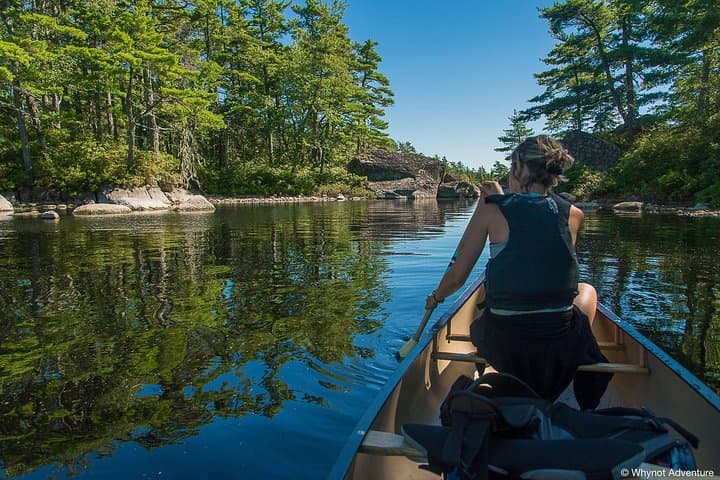
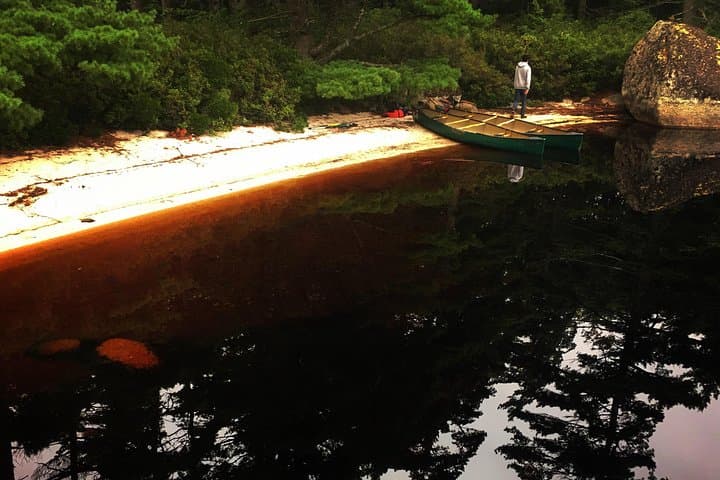
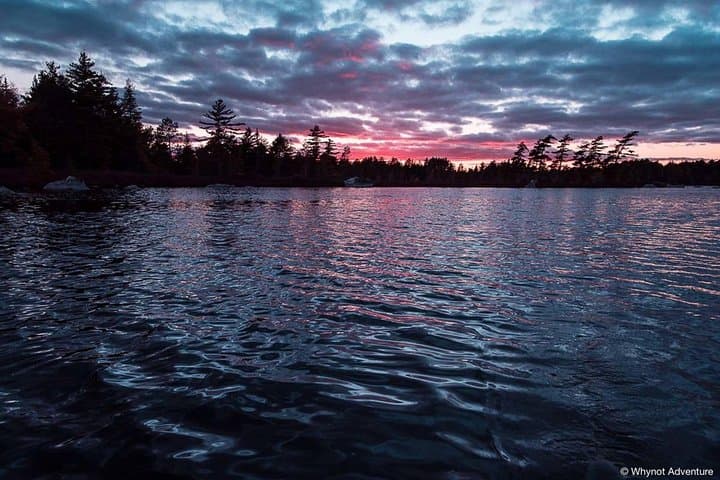
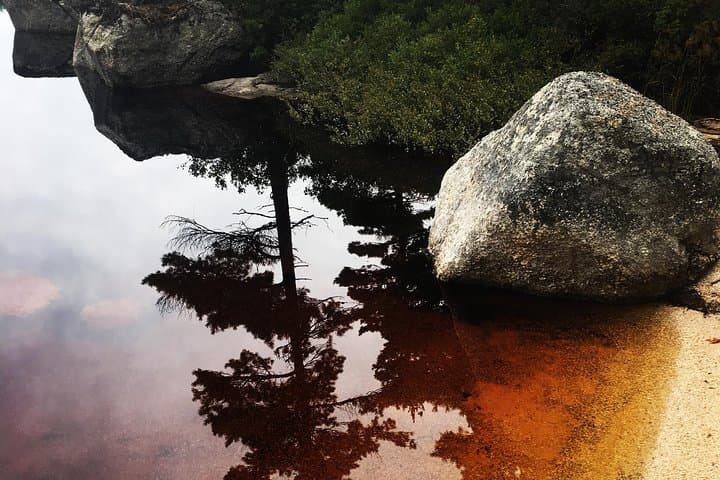
The lake opens before you: a flat, black mirror rimmed with spruce and wind-bent fir, your group loading canoes while the guide checks packs and maps. Paddles dip in rhythm; the first portage waits like a short, necessary climb where the forest seems to hold its breath. Over five days you move between quiet lakes, shoulder packs and boats across roots and moss, and watch the Tobeatic push back at you with mosquitoes, wind, and sudden, uncompromising silence.
The lake opens before you: a flat, black mirror rimmed with spruce and wind-bent fir, your group loading canoes while the guide checks packs and maps. Paddles dip in rhythm; the first portage waits like a short, necessary climb where the forest seems to hold its breath. Over five days you move between quiet lakes, shoulder packs and boats across roots and moss, and watch the Tobeatic push back at you with mosquitoes, wind, and sudden, uncompromising silence.
This route threads the eastern reaches of Kejimkujik National Park into the neighbouring Tobeatic Wilderness — landscapes carved by glacial scouring and dotted with shallow lakes, drumlins and exposed granite. Indigenous Mi'kmaq routes and camp sites mark long use of the region; the area’s granite and peat soils shape both water chemistry and the slow, dark waters you’ll paddle. Culture here is understated: respect for place and small, low-impact campsites are the rule.
Practical guide: expect long paddle days (typical daily paddling 6–15 km) and multiple portages, some up to a kilometre; elevation changes on portages are usually modest (generally under 100 m) but involve uneven, soft terrain. You’ll camp in tents with provided camping gear, cook over a camp stove or fire, and use pit privies or cat-holes as required. Bring a watertight pack or dry bags, layered clothing for changeable Maritime weather, and a good quality PFD. Hydration and careful pace matter — the Tobeatic rewards measured effort with empty horizons, glassy dawns and the rare loon call that seems to dare you deeper into the wild.