THE ADVENTURE COLLECTIVE® · Independent discovery and booking for outdoor travel

Spend a relaxed half-day exploring Tlaquepaque’s artisan workshops, historic plazas and the legendary El Parian cantina. This guided walk covers the town’s cultural highlights within a compact, three-hour route.
Spend a relaxed half-day exploring Tlaquepaque’s artisan workshops, historic plazas and the legendary El Parian cantina. This guided walk covers the town’s cultural highlights within a compact, three-hour route.
You step off the bus and onto cobbled streets where painted facades and hand-thrown pottery set the tone—Tlaquepaque moves at a measured pace, the kind that lets you notice small details: a ceramic rooster perched on a balcony, a fountain's water nudging you closer.
Verified experiences and guided adventures in the surrounding area.
Operated by Tlaquepaque Walking Tours · Tlaquepaque, Jalisco
You step off the bus and onto cobbled streets where painted facades and hand-thrown pottery set the tone—Tlaquepaque moves at a measured pace, the kind that lets you notice small details: a ceramic rooster perched on a balcony, a fountain's water nudging you closer.
This compact pueblo mágico east of Guadalajara earned its reputation as the city's craft center in the 19th and 20th centuries when local potters and glassblowers established workshops that still define the town. The geology is simple—alluvial plain soils that supported early settlement—while the town's architecture reflects colonial and post-colonial periods, with mansions converted to galleries and plazas built for public life.
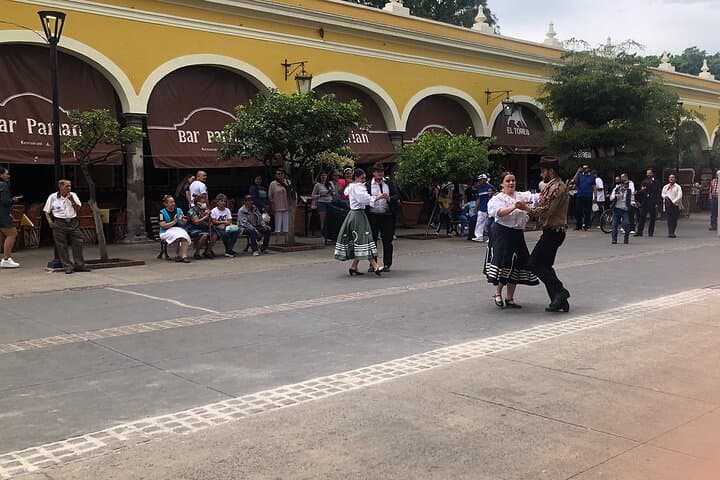
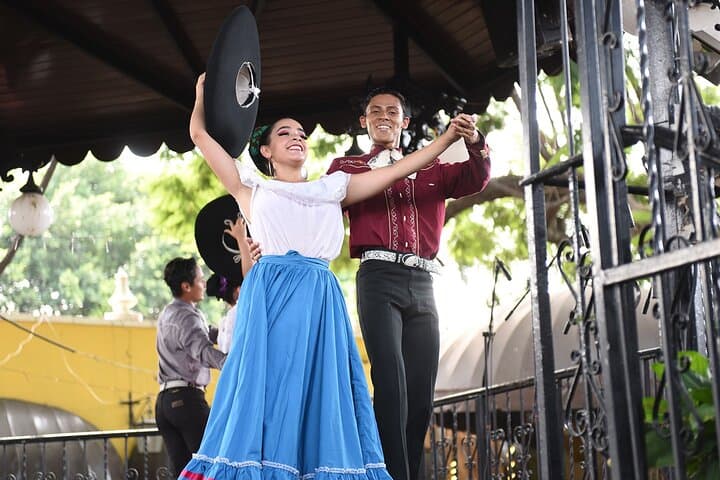
Culturally, Tlaquepaque is a place of practice and performance: artisans continue time-honored techniques, mariachi and folkloric dancers perform on weekend evenings, and El Parian — a massive cantina in the central square — tells a story of social life that reaches back generations.
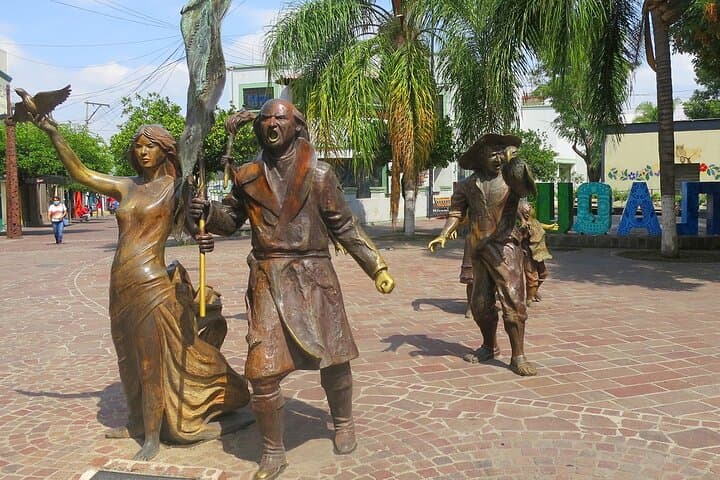
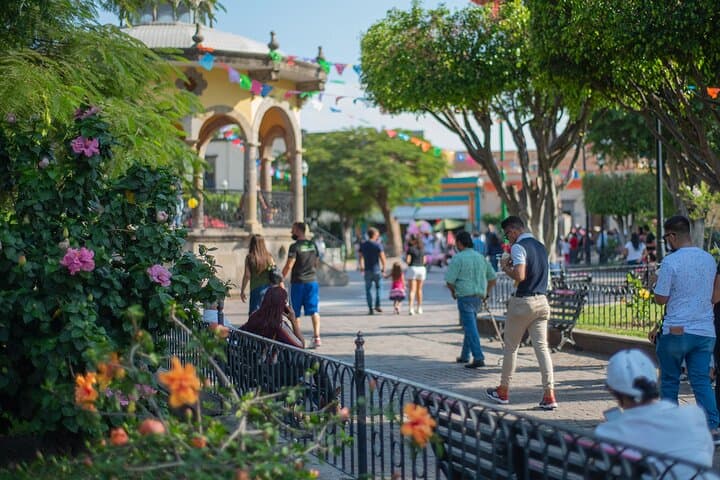
On this vetted half-day walk you’ll move through roughly eight square blocks: Independence Street’s historic houses, the Regional Ceramics Museum, El Refugio cultural center, Hidalgo Garden and the parish church before finishing at El Parian.
Practical notes: wear broken-in shoes, carry sun protection and a refillable bottle (bottled water is provided on the tour). The walk lasts about three hours with frequent stops; expect moderate standing and short uphill approaches on uneven pavement. Bring cash for small purchases at studios and leave extra room in your pack for delicate souvenirs.
easy.
3 hours.
Suitable for most fitness levels; you should be able to stand and walk intermittently for up to three hours.
The tour runs approximately three hours and covers the town center within about eight square blocks.
Pickup is not specified; the meeting point is in Tlaquepaque and the town is about 30 minutes from Guadalajara and the airport by car.
Cobblestones and some uneven pavement can make accessibility difficult—those requiring mobility assistance should check with the operator in advance.
Bottled water is included; purchases at galleries and any food or drinks at El Parian are paid separately.
Tlaquepaque grew into a crafts hub in the 19th and 20th centuries; its designation as a pueblo mágico recognizes both its cultural importance and living artisan traditions.
Support local makers by buying directly from studios, avoid single-use plastics, and respect historic buildings and public art while touring the plaza areas.
Tlaquepaque Walking Tours operates guided outdoor trips and adventures with an emphasis on safety, stewardship, and memorable experiences.
You step off the bus and onto cobbled streets where painted facades and hand-thrown pottery set the tone—Tlaquepaque moves at a measured pace, the kind that lets you notice small details: a ceramic rooster perched on a balcony, a fountain's water nudging you closer.
You step off the bus and onto cobbled streets where painted facades and hand-thrown pottery set the tone—Tlaquepaque moves at a measured pace, the kind that lets you notice small details: a ceramic rooster perched on a balcony, a fountain's water nudging you closer.
This compact pueblo mágico east of Guadalajara earned its reputation as the city's craft center in the 19th and 20th centuries when local potters and glassblowers established workshops that still define the town. The geology is simple—alluvial plain soils that supported early settlement—while the town's architecture reflects colonial and post-colonial periods, with mansions converted to galleries and plazas built for public life.
Culturally, Tlaquepaque is a place of practice and performance: artisans continue time-honored techniques, mariachi and folkloric dancers perform on weekend evenings, and El Parian — a massive cantina in the central square — tells a story of social life that reaches back generations.
On this vetted half-day walk you’ll move through roughly eight square blocks: Independence Street’s historic houses, the Regional Ceramics Museum, El Refugio cultural center, Hidalgo Garden and the parish church before finishing at El Parian.
Practical notes: wear broken-in shoes, carry sun protection and a refillable bottle (bottled water is provided on the tour). The walk lasts about three hours with frequent stops; expect moderate standing and short uphill approaches on uneven pavement. Bring cash for small purchases at studios and leave extra room in your pack for delicate souvenirs.