THE ADVENTURE COLLECTIVE® · Independent discovery and booking for outdoor travel

Walk beneath towering chestnuts, discover hidden sculptures, and learn the stories that make Ljubljana’s largest park a local favorite. This two-hour stroll through Tivoli mixes easy paths with cultural stops and practical local tips.
Walk beneath towering chestnuts, discover hidden sculptures, and learn the stories that make Ljubljana’s largest park a local favorite. This two-hour stroll through Tivoli mixes easy paths with cultural stops and practical local tips.
You step under a vault of chestnut branches and the city sounds soften—the trees take the conversation. In Tivoli Park the air smells faintly of damp earth and cut grass, sculptures peer between paths, and a pond reflects the sky like a slow-moving mirror. The tour meets at the Modern Gallery entrance, then moves through promenades where fountains and a rose garden punctuate the green.
Verified experiences and guided adventures in the surrounding area.
Operated by Slovenia in colours · Ljubljana, Ljubljana
You step under a vault of chestnut branches and the city sounds soften—the trees take the conversation. In Tivoli Park the air smells faintly of damp earth and cut grass, sculptures peer between paths, and a pond reflects the sky like a slow-moving mirror. The tour meets at the Modern Gallery entrance, then moves through promenades where fountains and a rose garden punctuate the green.
Tivoli grew into Ljubljana’s principal urban park in the 19th century, borrowing ideas from English landscape gardens and French promenades. Geologically, the park sits on gentle terraces descending toward the Ljubljanica river valley; Rožnik hill rises nearby, a reminder that the city’s green belt slips quickly into woodland. Culturally, Tivoli has long been a public stage—open-air exhibitions, small concerts, and sculptures by local artists invite pause.
Expect a two-hour, low-impact walk with plenty of stops: two historic mansions, an exhibition space, fountains, and the rose garden. Guides weave local anecdotes—escaped zoo lynx or the bear once seen on Rožnik—into context, making the park’s wildlife and human stories feel connected.
Practical edge: wear comfortable walking shoes, layer for variable spring or autumn weather, and bring water; paths are mostly paved but can be damp after rain. The route is stroller-accessible and suitable for most fitness levels. There’s a small souvenir at tour end and tips from your guide on where to continue exploring Ljubljana’s center or climb Rožnik for a city panorama.
easy.
2 hours.
Suitable for most fitness levels; minimal elevation change and paved paths make it accessible.
The tour lasts about two hours and covers a gentle loop through Tivoli, roughly 2–3 kilometers with mostly paved surfaces.
The main promenade and several paths are stroller-accessible and suitable for mobility aids, though some smaller routes use gravel.
Service animals are allowed; for non-service dogs check with the operator as policy and local leash rules may apply.
The meeting point and finish are at the entrance of the Modern Gallery, near public transport stops and restrooms.
Tivoli evolved into Ljubljana’s main public park in the 19th century, combining English-style lawns and promenades with later artistic additions.
City parks rely on respectful use—stay on paths, don’t feed wildlife, and follow local rules to protect mature trees and plantings.
Slovenia in colours operates guided outdoor trips and adventures with an emphasis on safety, stewardship, and memorable experiences.
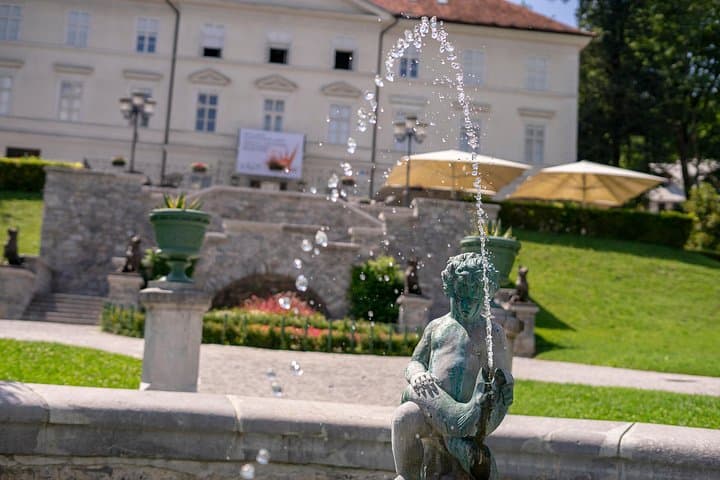
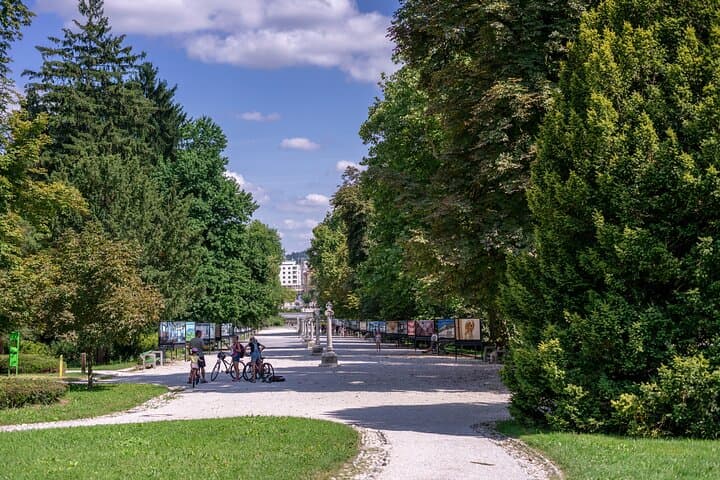
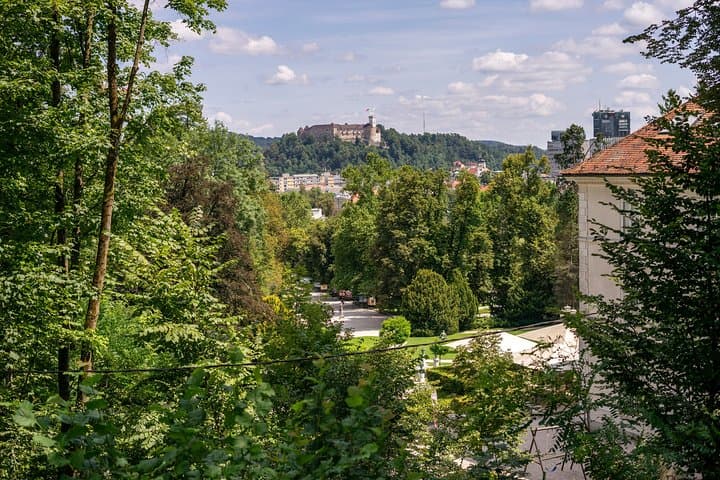
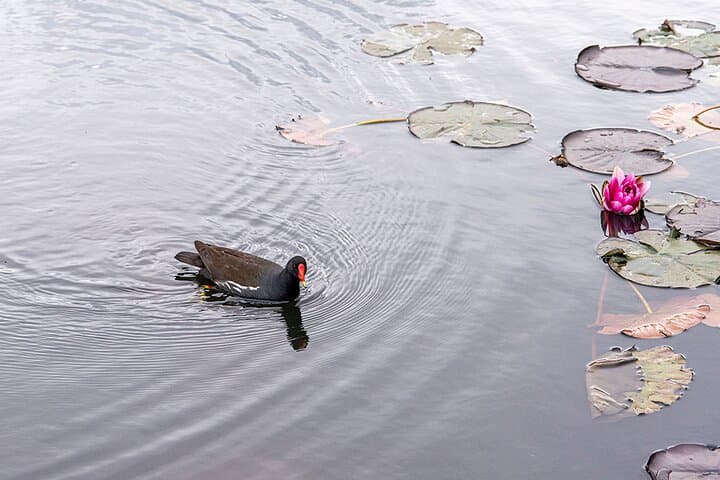
You step under a vault of chestnut branches and the city sounds soften—the trees take the conversation. In Tivoli Park the air smells faintly of damp earth and cut grass, sculptures peer between paths, and a pond reflects the sky like a slow-moving mirror. The tour meets at the Modern Gallery entrance, then moves through promenades where fountains and a rose garden punctuate the green.
You step under a vault of chestnut branches and the city sounds soften—the trees take the conversation. In Tivoli Park the air smells faintly of damp earth and cut grass, sculptures peer between paths, and a pond reflects the sky like a slow-moving mirror. The tour meets at the Modern Gallery entrance, then moves through promenades where fountains and a rose garden punctuate the green.
Tivoli grew into Ljubljana’s principal urban park in the 19th century, borrowing ideas from English landscape gardens and French promenades. Geologically, the park sits on gentle terraces descending toward the Ljubljanica river valley; Rožnik hill rises nearby, a reminder that the city’s green belt slips quickly into woodland. Culturally, Tivoli has long been a public stage—open-air exhibitions, small concerts, and sculptures by local artists invite pause.
Expect a two-hour, low-impact walk with plenty of stops: two historic mansions, an exhibition space, fountains, and the rose garden. Guides weave local anecdotes—escaped zoo lynx or the bear once seen on Rožnik—into context, making the park’s wildlife and human stories feel connected.
Practical edge: wear comfortable walking shoes, layer for variable spring or autumn weather, and bring water; paths are mostly paved but can be damp after rain. The route is stroller-accessible and suitable for most fitness levels. There’s a small souvenir at tour end and tips from your guide on where to continue exploring Ljubljana’s center or climb Rožnik for a city panorama.