THE ADVENTURE COLLECTIVE® · Independent discovery and booking for outdoor travel

Spend a day outside Rome exploring two UNESCO sites in Tivoli: the sprawling Roman complex of Hadrian’s Villa and the fountain-rich Renaissance gardens of Villa d'Este. This practical guide outlines what to expect, why the waterworks matter, and how to prepare for the full‑day excursion.
Spend a day outside Rome exploring two UNESCO sites in Tivoli: the sprawling Roman complex of Hadrian’s Villa and the fountain-rich Renaissance gardens of Villa d'Este. This practical guide outlines what to expect, why the waterworks matter, and how to prepare for the full‑day excursion.
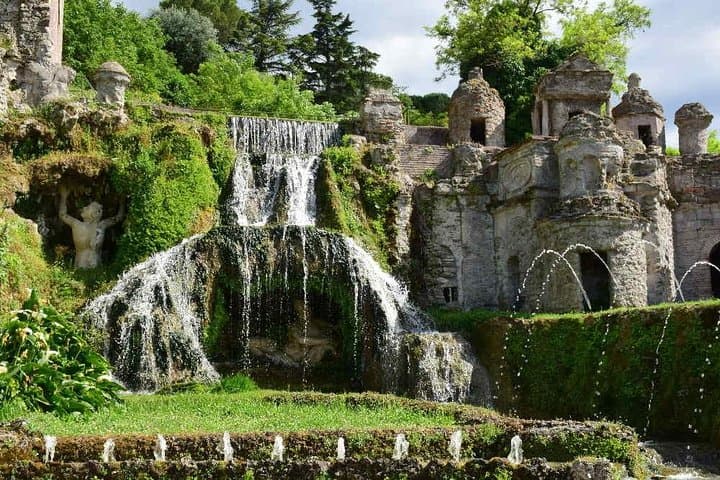
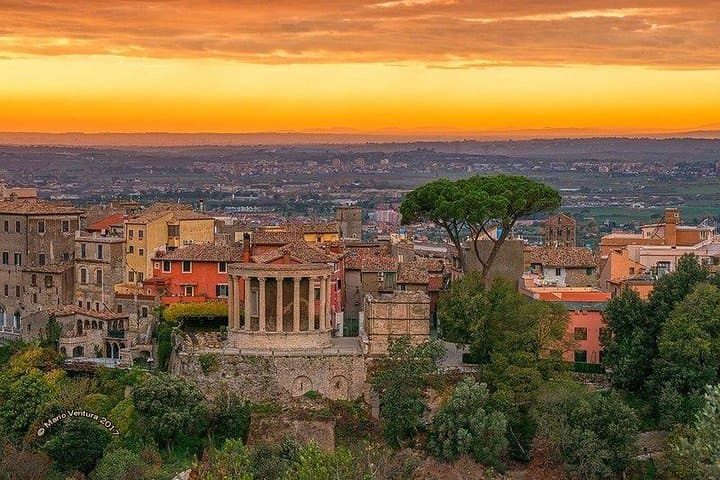
Morning light slides over the Tiburtine Hills as the coach eases out of Rome toward Tivoli, the Aniene River murmuring below its limestone ledges. In a single day the route moves from vast Roman ruins to a living display of Renaissance water engineering—Hadrian’s Villa sprawls like a ruined imperial suburb, while Villa d'Este announces itself with terraces, cascades and engineered fountains that play and pose like a courtly orchestra.
Verified experiences and guided adventures in the surrounding area.
Operated by Carratonitours · Tivoli, Lazio
Morning light slides over the Tiburtine Hills as the coach eases out of Rome toward Tivoli, the Aniene River murmuring below its limestone ledges. In a single day the route moves from vast Roman ruins to a living display of Renaissance water engineering—Hadrian’s Villa sprawls like a ruined imperial suburb, while Villa d'Este announces itself with terraces, cascades and engineered fountains that play and pose like a courtly orchestra.
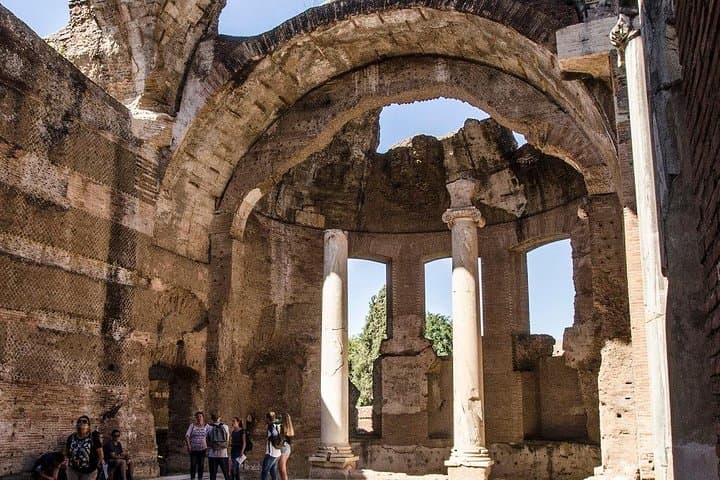
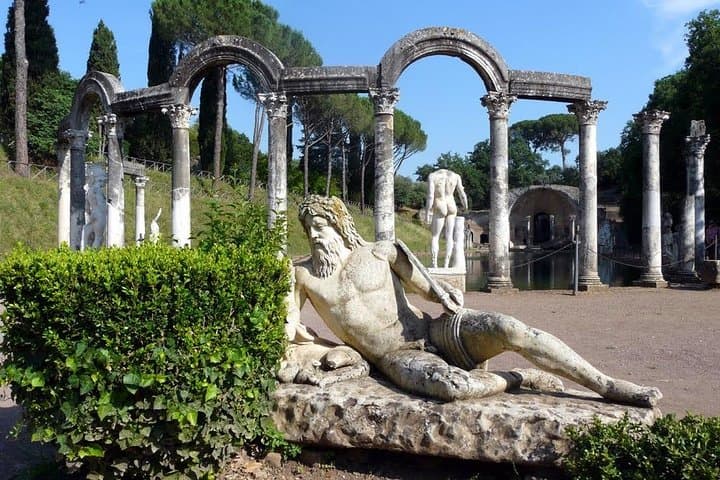
Hadrian’s Villa dates to the 2nd century AD and reads like a condensed Roman city: baths, temples, baths again, and long hydraulic works that show Rome’s mastery of stone and water. Villa d'Este, rebuilt in the 16th century for Cardinal Ippolito II d’Este, is renowned for its innovative hydraulic designs and formal garden layout; both sites are UNESCO World Heritage.
Geology matters here—Tivoli’s limestone escarpments shaped river courses and created the cliffs that hosted villas and mills. Culturally, the town has long been a retreat: a place where Romans escaped the heat and where water was made an architectural instrument.
Practical guidance: this private, full‑day tour typically includes hotel pickup, an air‑conditioned vehicle and a driver-guide; admissions are often not included, so plan to buy tickets on arrival or prebook museum entry. Wear sturdy walking shoes for uneven ancient pavements, carry water and a hat—the fountains cool the air, but the sun can still push through. Allow 6–8 hours for the round trip from Rome, and budget time for short walks between sites. Respect pathways and fountain mechanics—stay behind barriers and follow guide directions to minimize wear on delicate stonework.
easy.
6–8 hours.
Suitable for most fitness levels; involves several short walks and stair sections on uneven terrain
Admissions are often not included on this type of tour; check booking details and consider prebooking tickets for busy days.
The listed duration is about 7 hours (420 minutes) and private tours typically include hotel pickup and return in an air‑conditioned vehicle.
Parts of both sites are accessible, but ancient ruins and terraced gardens include steps and uneven surfaces—verify accessibility needs with the operator ahead of time.
Mornings are cooler and less crowded—arrive early to enjoy fresher light on the ruins and quieter fountain displays at Villa d'Este.
The area served as an elite suburb for Romans seeking cool air and water; Hadrian’s Villa (2nd century AD) and the 16th‑century Villa d'Este reflect two eras of power and hydraulic ingenuity.
Both sites face wear from visitor pressure and require ongoing conservation; follow paths, avoid touching delicate surfaces, and support local preservation efforts.
Carratonitours operates guided outdoor trips and adventures with an emphasis on safety, stewardship, and memorable experiences.
Morning light slides over the Tiburtine Hills as the coach eases out of Rome toward Tivoli, the Aniene River murmuring below its limestone ledges. In a single day the route moves from vast Roman ruins to a living display of Renaissance water engineering—Hadrian’s Villa sprawls like a ruined imperial suburb, while Villa d'Este announces itself with terraces, cascades and engineered fountains that play and pose like a courtly orchestra.
Morning light slides over the Tiburtine Hills as the coach eases out of Rome toward Tivoli, the Aniene River murmuring below its limestone ledges. In a single day the route moves from vast Roman ruins to a living display of Renaissance water engineering—Hadrian’s Villa sprawls like a ruined imperial suburb, while Villa d'Este announces itself with terraces, cascades and engineered fountains that play and pose like a courtly orchestra.
Hadrian’s Villa dates to the 2nd century AD and reads like a condensed Roman city: baths, temples, baths again, and long hydraulic works that show Rome’s mastery of stone and water. Villa d'Este, rebuilt in the 16th century for Cardinal Ippolito II d’Este, is renowned for its innovative hydraulic designs and formal garden layout; both sites are UNESCO World Heritage.
Geology matters here—Tivoli’s limestone escarpments shaped river courses and created the cliffs that hosted villas and mills. Culturally, the town has long been a retreat: a place where Romans escaped the heat and where water was made an architectural instrument.
Practical guidance: this private, full‑day tour typically includes hotel pickup, an air‑conditioned vehicle and a driver-guide; admissions are often not included, so plan to buy tickets on arrival or prebook museum entry. Wear sturdy walking shoes for uneven ancient pavements, carry water and a hat—the fountains cool the air, but the sun can still push through. Allow 6–8 hours for the round trip from Rome, and budget time for short walks between sites. Respect pathways and fountain mechanics—stay behind barriers and follow guide directions to minimize wear on delicate stonework.