THE ADVENTURE COLLECTIVE® · Independent discovery and booking for outdoor travel

A private, one-way transfer from Tivat to Dubrovnik that follows the dramatic Adriatic coastline. Expect a comfortable, 80–120 minute drive with passport checks, coastal views, and helpful driver service.
A private, one-way transfer from Tivat to Dubrovnik that follows the dramatic Adriatic coastline. Expect a comfortable, 80–120 minute drive with passport checks, coastal views, and helpful driver service.
The engine hums, the coast appears, and a narrow ribbon of road threads between sea and steep limestone—this is the drive from Tivat to Dubrovnik. Travelers start near the sheltered marinas of Tivat, push past the crags that shape the Bay of Kotor, and watch the Adriatic open into broader blue as they cross a short international border.
Verified experiences and guided adventures in the surrounding area.
Operated by Promanse · Dubrovnik, Dubrovnik-Neretva County
The engine hums, the coast appears, and a narrow ribbon of road threads between sea and steep limestone—this is the drive from Tivat to Dubrovnik. Travelers start near the sheltered marinas of Tivat, push past the crags that shape the Bay of Kotor, and watch the Adriatic open into broader blue as they cross a short international border.
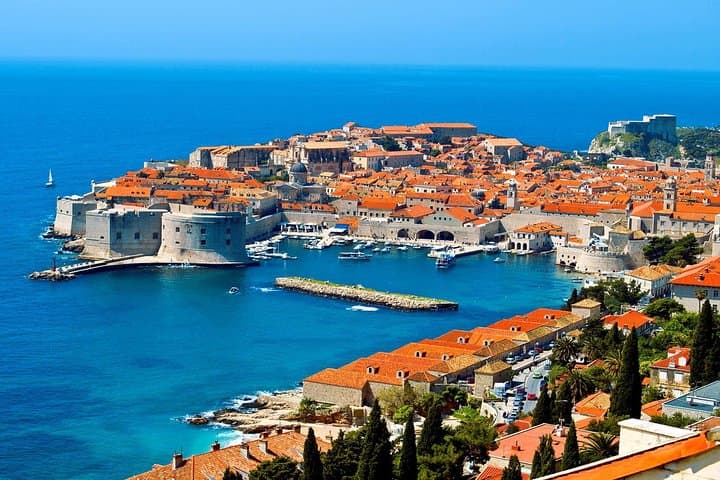
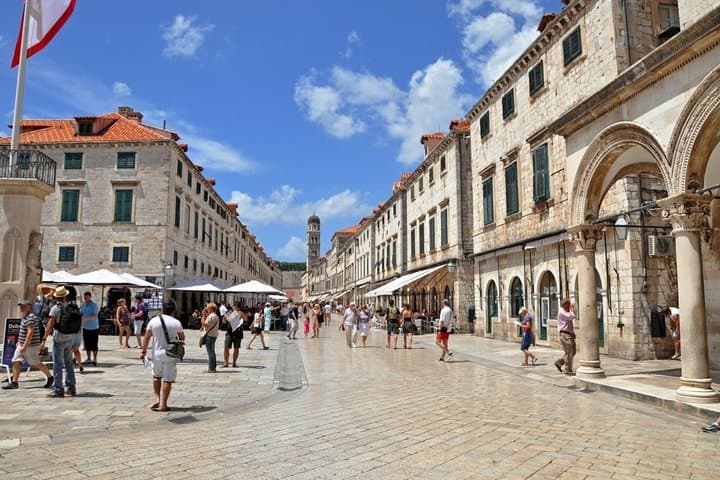
Geology here is immediate: karst cliffs and terraced hills drop into coves that Venetian sailors mapped centuries ago. Culturally the route ties two distinct Adriatic traditions — Montenegro’s relaxed seaside towns and Dubrovnik’s compact, Renaissance-era Old Town once governed by the Republic of Ragusa. Small fishing villages, stone churches, and coastal fortifications appear in quick succession, offering photographic pullouts if time allows.
Practically, expect a private, air-conditioned vehicle and a professional driver handling luggage and local formalities. The advertised journey runs about 80–120 minutes depending on traffic and border queues; a valid passport is mandatory. Summer brings heavy tourism and slower crossings, while shoulder seasons are quicker and cooler. Infant seats and stroller access are available; travelers should confirm pickup details when booking. Pack a light layer against sea breezes, keep documents to hand for border control, and allow extra time if connecting to scheduled ferries or flights in Dubrovnik.
This transfer is straightforward logistics with a scenic edge — not a guided tour, but an efficient introduction to a coastline shaped by stone, salt, and centuries of trade.
easy.
1.5–2 hours.
No special fitness required; accessible to most travelers
Yes — a current valid passport (or accepted national ID where applicable) must be presented at border controls.
Typical travel time is 80–120 minutes depending on traffic and the border crossing wait.
As a private transfer, brief stops can often be arranged, but confirm with the operator in advance and allow extra time.
Yes; drivers typically assist with loading and unloading luggage, and infant seats are available on request.
The route links areas shaped by Venetian maritime trade and the Republic of Ragusa (Dubrovnik), with fortifications and stone towns reflecting centuries of Adriatic commerce.
This coastline contains sensitive marine habitats; visitors should avoid littering, respect protected areas, and minimize disturbance to wildlife.
Promanse operates guided outdoor trips and adventures with an emphasis on safety, stewardship, and memorable experiences.
The engine hums, the coast appears, and a narrow ribbon of road threads between sea and steep limestone—this is the drive from Tivat to Dubrovnik. Travelers start near the sheltered marinas of Tivat, push past the crags that shape the Bay of Kotor, and watch the Adriatic open into broader blue as they cross a short international border.
The engine hums, the coast appears, and a narrow ribbon of road threads between sea and steep limestone—this is the drive from Tivat to Dubrovnik. Travelers start near the sheltered marinas of Tivat, push past the crags that shape the Bay of Kotor, and watch the Adriatic open into broader blue as they cross a short international border.
Geology here is immediate: karst cliffs and terraced hills drop into coves that Venetian sailors mapped centuries ago. Culturally the route ties two distinct Adriatic traditions — Montenegro’s relaxed seaside towns and Dubrovnik’s compact, Renaissance-era Old Town once governed by the Republic of Ragusa. Small fishing villages, stone churches, and coastal fortifications appear in quick succession, offering photographic pullouts if time allows.
Practically, expect a private, air-conditioned vehicle and a professional driver handling luggage and local formalities. The advertised journey runs about 80–120 minutes depending on traffic and border queues; a valid passport is mandatory. Summer brings heavy tourism and slower crossings, while shoulder seasons are quicker and cooler. Infant seats and stroller access are available; travelers should confirm pickup details when booking. Pack a light layer against sea breezes, keep documents to hand for border control, and allow extra time if connecting to scheduled ferries or flights in Dubrovnik.
This transfer is straightforward logistics with a scenic edge — not a guided tour, but an efficient introduction to a coastline shaped by stone, salt, and centuries of trade.