THE ADVENTURE COLLECTIVE® · Independent discovery and booking for outdoor travel

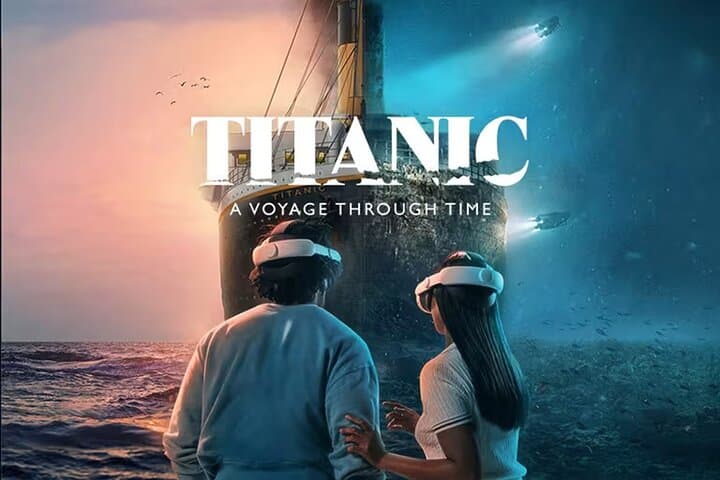
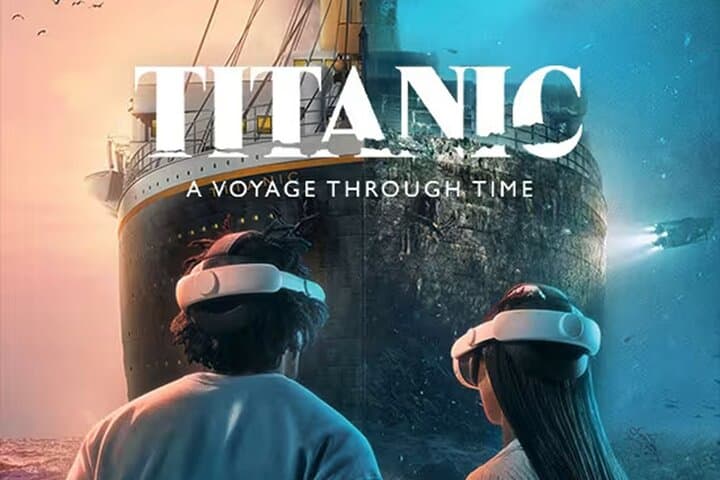
Dive into a VR recreation that moves from the Titanic’s wreck to its gilded 1912 decks. This 45–60 minute immersive walkthrough combines meticulous historical detail with interactive storytelling—ideal for history fans and curious travelers in Dubai.
Dive into a VR recreation that moves from the Titanic’s wreck to its gilded 1912 decks. This 45–60 minute immersive walkthrough combines meticulous historical detail with interactive storytelling—ideal for history fans and curious travelers in Dubai.
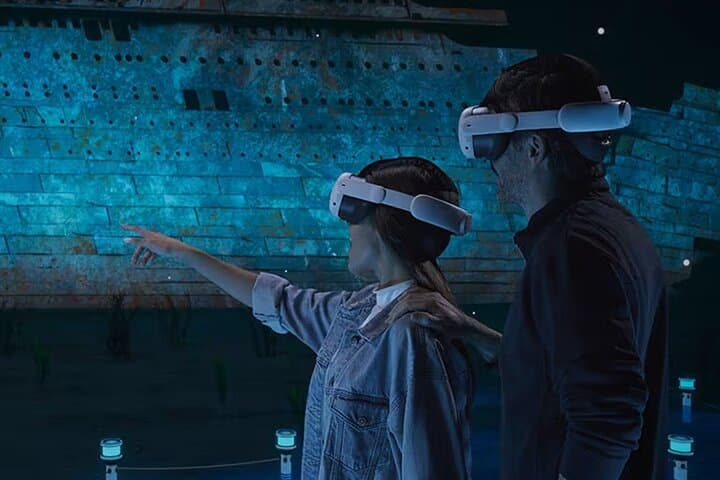
You enter a darkened room and the first sound is the ocean: steady, indifferent. A headset seals the real world away and the floor tilts as the VR drops you through cold blue to the Titanic’s wreck 3.8 km below the surface. The water presses at the edges of sight; machinery and personal effects lie scattered like clues.
Verified experiences and guided adventures in the surrounding area.
Operated by GlobalTix Pte Ltd · Dubai, Dubai
You enter a darkened room and the first sound is the ocean: steady, indifferent. A headset seals the real world away and the floor tilts as the VR drops you through cold blue to the Titanic’s wreck 3.8 km below the surface. The water presses at the edges of sight; machinery and personal effects lie scattered like clues.
Then the current reverses. In a breath you stand on polished decks under a 1912 sky, the Grand Staircase rising before you. Dining rooms glow with gaslight; voices and recorded testimonies give shape to the people who crossed that sea. The experience, developed with Musealia, blends archival detail and interactive objects so you can follow a steward’s route, examine a trunk, or trace a passenger’s story.
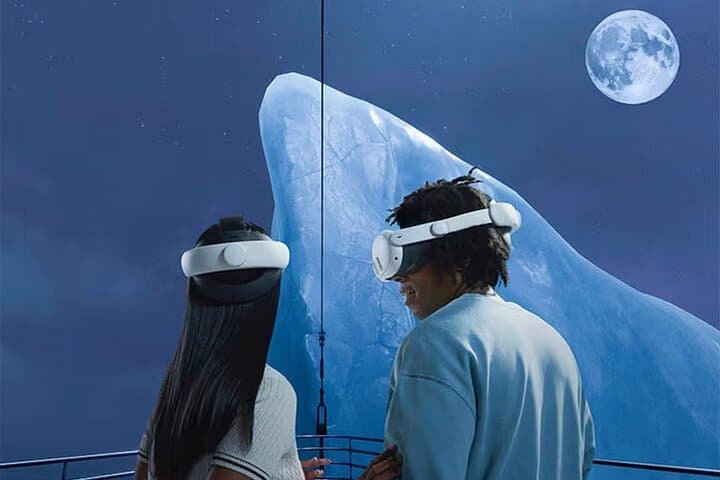
This is history presented with rigor: the ship’s construction, the class divisions aboard, and the iceberg that changed maritime law and lifeboat standards. In Dubai the attraction sits within a climate-controlled, accessible venue that emphasizes inclusion for most visitors while restricting participation for those with certain medical conditions.
Practical notes: the walkthrough lasts about 45–60 minutes and involves standing and light movement—wear comfortable shoes and keep small items in provided lockers. Motion-sickness is possible; take precautions if you are prone to VR-related nausea. Bring photo-friendly cameras (no tripods) and arrive on time—the operator holds strict time slots and issues a final ticket by email 24 hours before your visit.
Respect the subject matter: the experience is both entertainment and memorial, built from artifacts and testimony that deserve attention and care.
easy.
45–60 minutes.
Minimal physical exertion required—be able to stand and walk short distances.
Children 8 and older are welcome; ages 8–11 must be accompanied by an adult. Children under 8 are not permitted.
Yes—facilities are wheelchair accessible, though the experience requires some movement and standing; staff can advise on accommodations.
Photography is allowed for casual devices, but phones must be in airplane mode; professional cameras and tripods are not permitted.
Guests with heart conditions or epilepsy are not permitted due to the immersive VR elements—check with the operator if unsure.
The experience recreates the Titanic using archival research and consultation with Musealia, pairing wreck-site imagery with 1912-era reconstructions to tell both technological and human histories.
As an indoor attraction, the experience has low environmental footprint on-site but relies on energy-intensive tech; visitors are encouraged to use public transit to reach the venue and to treat historical artifacts and stories with respect.
GlobalTix Pte Ltd operates guided outdoor trips and adventures with an emphasis on safety, stewardship, and memorable experiences.
You enter a darkened room and the first sound is the ocean: steady, indifferent. A headset seals the real world away and the floor tilts as the VR drops you through cold blue to the Titanic’s wreck 3.8 km below the surface. The water presses at the edges of sight; machinery and personal effects lie scattered like clues.
You enter a darkened room and the first sound is the ocean: steady, indifferent. A headset seals the real world away and the floor tilts as the VR drops you through cold blue to the Titanic’s wreck 3.8 km below the surface. The water presses at the edges of sight; machinery and personal effects lie scattered like clues.
Then the current reverses. In a breath you stand on polished decks under a 1912 sky, the Grand Staircase rising before you. Dining rooms glow with gaslight; voices and recorded testimonies give shape to the people who crossed that sea. The experience, developed with Musealia, blends archival detail and interactive objects so you can follow a steward’s route, examine a trunk, or trace a passenger’s story.
This is history presented with rigor: the ship’s construction, the class divisions aboard, and the iceberg that changed maritime law and lifeboat standards. In Dubai the attraction sits within a climate-controlled, accessible venue that emphasizes inclusion for most visitors while restricting participation for those with certain medical conditions.
Practical notes: the walkthrough lasts about 45–60 minutes and involves standing and light movement—wear comfortable shoes and keep small items in provided lockers. Motion-sickness is possible; take precautions if you are prone to VR-related nausea. Bring photo-friendly cameras (no tripods) and arrive on time—the operator holds strict time slots and issues a final ticket by email 24 hours before your visit.
Respect the subject matter: the experience is both entertainment and memorial, built from artifacts and testimony that deserve attention and care.