THE ADVENTURE COLLECTIVE® · Independent discovery and booking for outdoor travel

Trace the footsteps of crew and families on a self-guided audio walk from Holyrood Church to Dock Gate 4. This app-led tour weaves eyewitness stories, local sites and civic history into a paced, reflective urban walk.
Trace the footsteps of crew and families on a self-guided audio walk from Holyrood Church to Dock Gate 4. This app-led tour weaves eyewitness stories, local sites and civic history into a paced, reflective urban walk.
You begin at the skeletal outline of Holyrood Church, where the wind off the Solent moves through stone ribs and the city feels measured by tides and tides of memory.
Verified experiences and guided adventures in the surrounding area.
Operated by VoiceMap Audio Tours · Southampton, Hampshire
You begin at the skeletal outline of Holyrood Church, where the wind off the Solent moves through stone ribs and the city feels measured by tides and tides of memory.
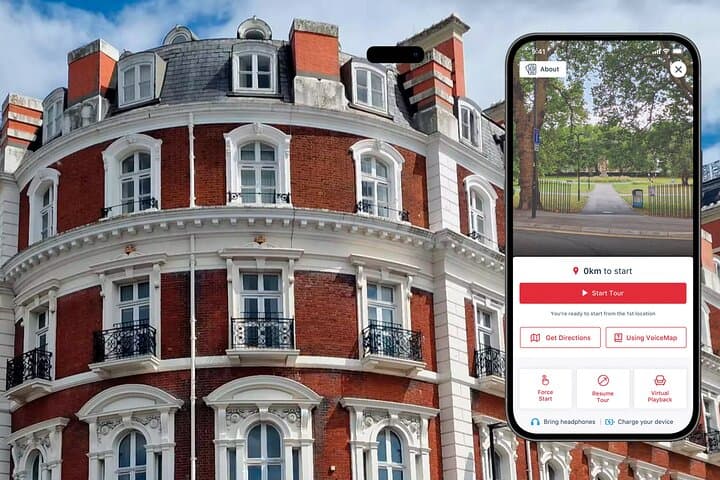
The audio guides you along cobbled streets and Victorian terraces, past boarding houses and former shipping offices, each stop folding a personal story into the wider civic loss. Southampton was not merely a departure point in 1912; it was a working port whose docks, shipyards and families knit the Titanic into everyday life. Geology and geography matter here: the city’s position on Southampton Water and the Solent made it a maritime hub, and the shoreline and docks still shape the route and the views.
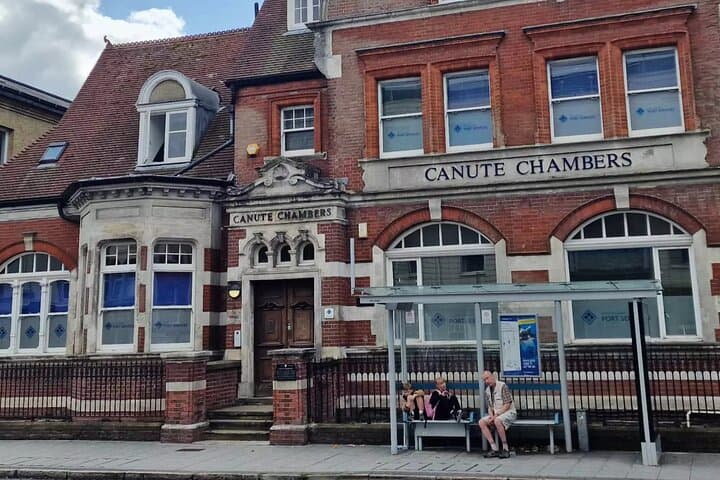
You’ll hear eyewitness accounts — lookouts, crew, anxious relatives — and local context about how whole neighborhoods were affected. Cultural notes point out pubs and hotels where crew stayed, and civic sites like the Memorial Fountain and the former White Star Line office where news was awaited. The tour closes at Dock Gate 4, the physical threshold of the ship’s final departure.
Practical guidance: the experience is self-paced and app-based, so plan for 2–3 hours including stops; expect paved streets with some uneven surfaces. Bring a charged phone, headphones and comfortable shoes. Use offline mode if you have limited data; the app provides downloadable maps and audio. The tone is reflective rather than celebratory — this is a walking memorial rooted in place, history and the persistent presence of the sea.
easy.
2–3 hours.
Suitable for most fitness levels; requires comfortable walking for a few miles with pauses.
Plan on 2–3 hours to follow the main route with time for stops and optional detours; you can pause the audio and return later.
No—download audio and maps in advance for offline use, which is recommended if you have limited data.
Much of the route uses paved streets but includes cobbles, steps and occasional narrow sidewalks; check specific segments before setting out.
Yes—this is a self-guided tour with lifetime access; start when the app indicates you are at the correct starting point.
Southampton was a major merchant port in the early 20th century; many crew and passengers who sailed on the Titanic lived or worked in the city, creating deep local impact after the 1912 disaster.
Respect memorial sites and public spaces; stick to pavements to protect urban green patches and avoid littering around historic ruins and waterfront habitats.
VoiceMap Audio Tours operates guided outdoor trips and adventures with an emphasis on safety, stewardship, and memorable experiences.
You begin at the skeletal outline of Holyrood Church, where the wind off the Solent moves through stone ribs and the city feels measured by tides and tides of memory.
You begin at the skeletal outline of Holyrood Church, where the wind off the Solent moves through stone ribs and the city feels measured by tides and tides of memory.
The audio guides you along cobbled streets and Victorian terraces, past boarding houses and former shipping offices, each stop folding a personal story into the wider civic loss. Southampton was not merely a departure point in 1912; it was a working port whose docks, shipyards and families knit the Titanic into everyday life. Geology and geography matter here: the city’s position on Southampton Water and the Solent made it a maritime hub, and the shoreline and docks still shape the route and the views.
You’ll hear eyewitness accounts — lookouts, crew, anxious relatives — and local context about how whole neighborhoods were affected. Cultural notes point out pubs and hotels where crew stayed, and civic sites like the Memorial Fountain and the former White Star Line office where news was awaited. The tour closes at Dock Gate 4, the physical threshold of the ship’s final departure.
Practical guidance: the experience is self-paced and app-based, so plan for 2–3 hours including stops; expect paved streets with some uneven surfaces. Bring a charged phone, headphones and comfortable shoes. Use offline mode if you have limited data; the app provides downloadable maps and audio. The tone is reflective rather than celebratory — this is a walking memorial rooted in place, history and the persistent presence of the sea.