THE ADVENTURE COLLECTIVE® · Independent discovery and booking for outdoor travel

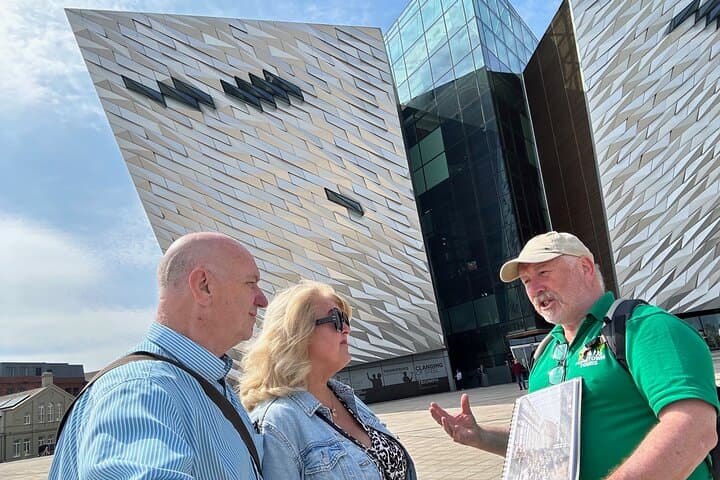
Walk the Maritime Mile with an expert guide and stand where the Titanic was built. This two-hour tour combines shipyard history, industrial architecture, and waterfront views, finishing inside the restored Drawing Offices at the Titanic Hotel.
Walk the Maritime Mile with an expert guide and stand where the Titanic was built. This two-hour tour combines shipyard history, industrial architecture, and waterfront views, finishing inside the restored Drawing Offices at the Titanic Hotel.
You begin at the edge of the Lagan where iron giants loom and the slipways slope toward the water, the air salted and cold as if the sea itself remembers the ships birthed here.
Verified experiences and guided adventures in the surrounding area.
Operated by Hometown Tours Belfast · Belfast, Northern Ireland
You begin at the edge of the Lagan where iron giants loom and the slipways slope toward the water, the air salted and cold as if the sea itself remembers the ships birthed here.
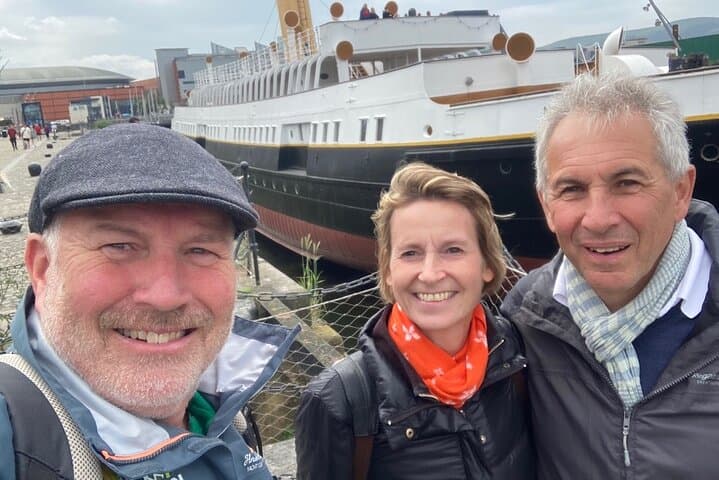
The Titanic Maritime Walking Tour traces the spine of Belfast’s shipbuilding district, moving from the famous slipways to the repaired dry dock, past the last White Star vessels and ending in the converted Drawing Offices of the Titanic Hotel. Guides weave engineering detail and human stories—Harland & Wolff’s workforce, Thomas Andrews’ plans, and the transformation of industrial yards into cultural corridors.
Geology and place matter: Belfast Lough’s sheltered estuary shaped a natural harbor that made large-scale shipbuilding possible, while reclaimed quays and deep berths reflect a century of industrial change. Along the route you’ll pass WWII-era HMS Caroline and Thompson Dry Dock—structures that speak to naval and commercial pasts.
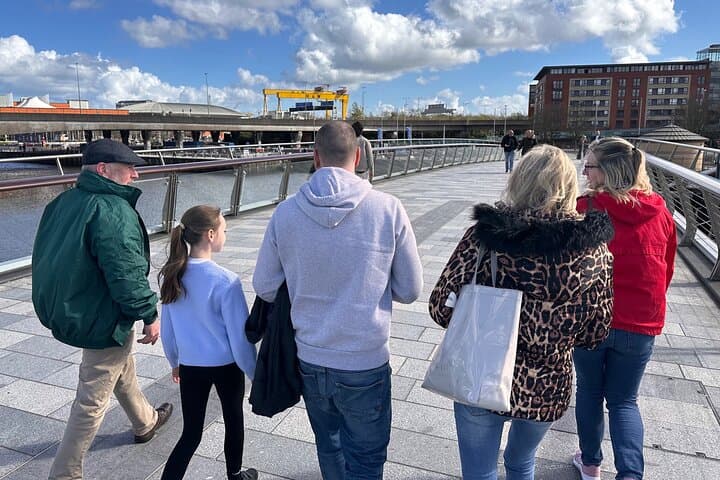
The walk is urban and accessible: mostly paved surfaces, gentle grades, and regular stopping points for commentary. You won’t enter Nomadic, Titanic Belfast, or HMS Caroline on this tour, but exterior views and context-rich storytelling give a concise, two-hour immersion.
Practical guidance: wear waterproof layers, expect exposed waterfront wind, and bring a camera for industrial details and skyline views. Public transport and parking are nearby; small groups keep the pace steady. If you seek a deeper dive, plan separate tickets for interior museums—this tour prioritizes narrative and place over museum admission.
easy.
2 hours.
Suitable for most fitness levels; mainly flat urban walking with short standing periods.
The tour lasts about two hours and covers roughly 1.5–2 miles of mostly flat, paved waterfront between key Maritime Mile sites.
Yes—the route is advertised as wheelchair accessible, though some historic surfaces near docks can be uneven; contact the operator for specific mobility needs.
No—this tour views those sites from the outside to focus on the shipyard story and external landmarks; separate admissions are needed for interiors.
Full refunds are available if you cancel at least 24 hours before the start time; check your booking confirmation for details.
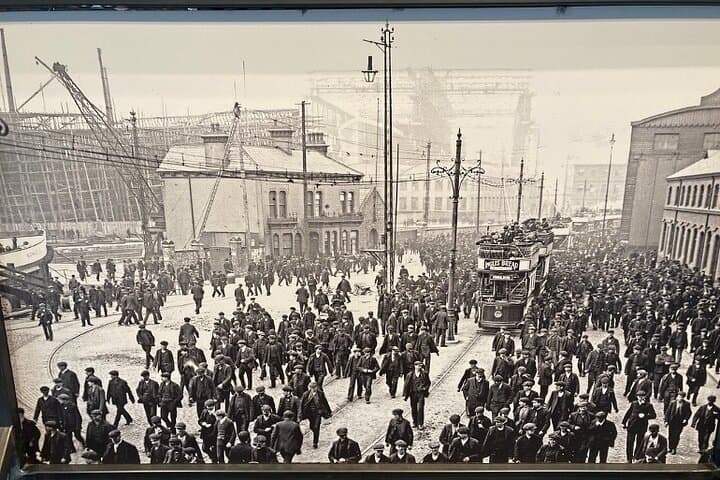
Harland & Wolff’s shipyard dominated Belfast’s economy in the late 19th and early 20th centuries; the Titanic was one of several massive liners designed and assembled here.
Visitor pressure is managed along the Maritime Mile to protect fragile dockside heritage; stick to paths and respect interpretation panels to minimize impact.
Hometown Tours Belfast operates guided outdoor trips and adventures with an emphasis on safety, stewardship, and memorable experiences.
You begin at the edge of the Lagan where iron giants loom and the slipways slope toward the water, the air salted and cold as if the sea itself remembers the ships birthed here.
You begin at the edge of the Lagan where iron giants loom and the slipways slope toward the water, the air salted and cold as if the sea itself remembers the ships birthed here.
The Titanic Maritime Walking Tour traces the spine of Belfast’s shipbuilding district, moving from the famous slipways to the repaired dry dock, past the last White Star vessels and ending in the converted Drawing Offices of the Titanic Hotel. Guides weave engineering detail and human stories—Harland & Wolff’s workforce, Thomas Andrews’ plans, and the transformation of industrial yards into cultural corridors.
Geology and place matter: Belfast Lough’s sheltered estuary shaped a natural harbor that made large-scale shipbuilding possible, while reclaimed quays and deep berths reflect a century of industrial change. Along the route you’ll pass WWII-era HMS Caroline and Thompson Dry Dock—structures that speak to naval and commercial pasts.
The walk is urban and accessible: mostly paved surfaces, gentle grades, and regular stopping points for commentary. You won’t enter Nomadic, Titanic Belfast, or HMS Caroline on this tour, but exterior views and context-rich storytelling give a concise, two-hour immersion.
Practical guidance: wear waterproof layers, expect exposed waterfront wind, and bring a camera for industrial details and skyline views. Public transport and parking are nearby; small groups keep the pace steady. If you seek a deeper dive, plan separate tickets for interior museums—this tour prioritizes narrative and place over museum admission.