THE ADVENTURE COLLECTIVE® · Independent discovery and booking for outdoor travel

Watch sunrise over the lake and learn traditional buffalo curd making in Tissamaharama. This 2.5-hour hands-on demonstration includes milking, heating, filling clay pots, and tasting fresh buffalo curd.
Watch sunrise over the lake and learn traditional buffalo curd making in Tissamaharama. This 2.5-hour hands-on demonstration includes milking, heating, filling clay pots, and tasting fresh buffalo curd.
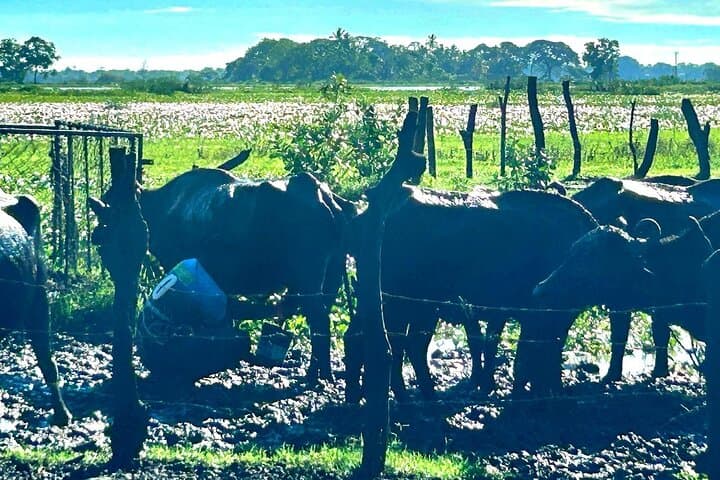
You start before the village fully wakes: a lakeshore sky bruised with dawn, the lowing of buffalo drifting across still water, and a small cowshed where steam rises from freshly heated milk. The pace here is deliberate—hands move with memory, clay pots sit ready, and a quiet routine shapes a simple, creamy result.
Verified experiences and guided adventures in the surrounding area.
Operated by Yala LK Tours · Tissamaharama, Southern Province
You start before the village fully wakes: a lakeshore sky bruised with dawn, the lowing of buffalo drifting across still water, and a small cowshed where steam rises from freshly heated milk. The pace here is deliberate—hands move with memory, clay pots sit ready, and a quiet routine shapes a simple, creamy result.
This region of Sri Lanka’s Dry Zone has farmed around reservoirs for centuries. Local dairycraft borrows from that history: buffalo herds adapted to seasonal grazing, clayware that keeps curd cool, and methods passed down through families rather than factories. Geologically, the shallow plains and man-made tanks concentrate water and wildlife, so you’ll often see waterbirds and grazing animals sharing the same flat light at sunrise.
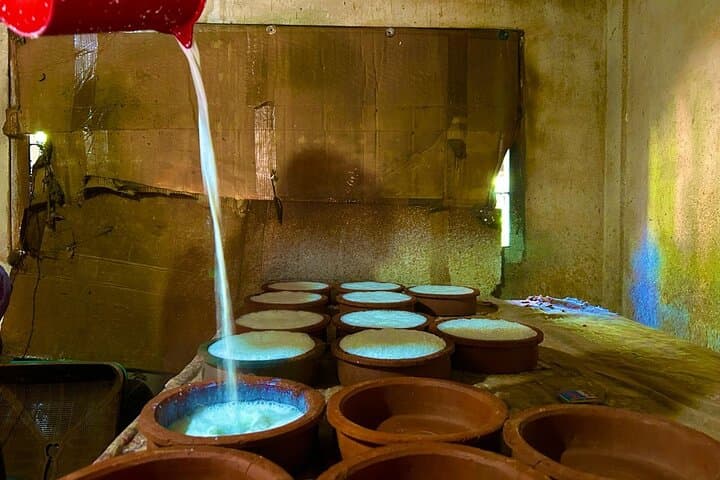
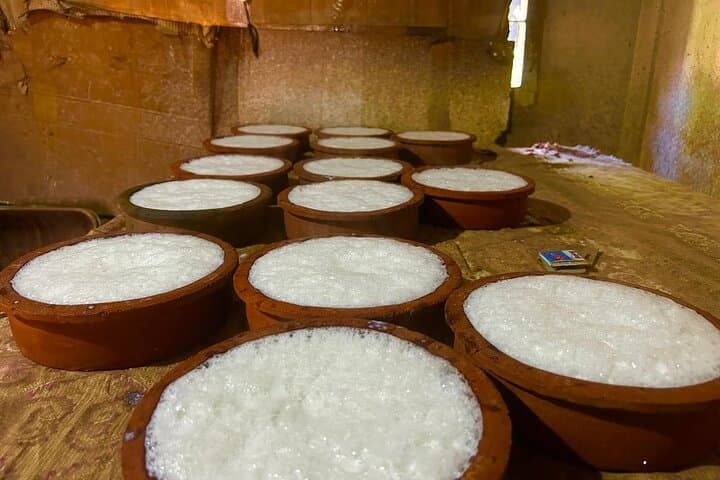
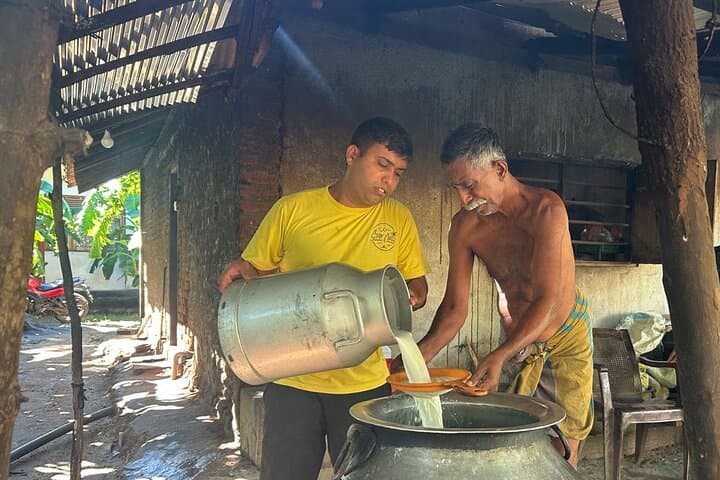
On the farm you’ll observe milking, milk warming to the right temperature, and the old technique of setting curd in porous earthen pots—steps that protect flavor and texture. Farmers explain how they care for buffaloes, maintain milk purity, and time the process to local rhythms. The payoff is a spoonful of thick buffalo curd or a cup of fresh milk—richer and fuller than supermarket dairy.
Practical notes: the activity is about 2.5 hours, largely standing and watching with short walks across compact dirt. Book a private transfer, arrive at first light for the best atmosphere, and wear closed-toe shoes you don’t mind getting dusty. Bring cash for small purchases or tips, a sun hat for open stretches, and a polite curiosity—asking about techniques is welcome and helps support local makers.
easy.
2–3 hours.
Suitable for most fitness levels; participants should be able to stand and walk short distances over flat, uneven ground.
Yes—families are welcome; infants should sit on laps and children should be supervised near animals and heat sources.
Yes—tasting of creamy buffalo curd or fresh milk is included in the experience.
Basic facilities are typically available near the curd maker’s house; plan accordingly if you need full amenities.
The visit involves standing and short flat walks on packed dirt; those with significant mobility needs should contact the operator in advance to discuss accommodations.
Local dairy practices are rooted in the Dry Zone’s long irrigation and farming history; small reservoirs and village herds supported community foodways for generations.
Support small producers who maintain local grazing cycles and animal care; avoid single-use plastics and follow farmer guidance to minimize disturbance to animals and habitat.
Yala LK Tours operates guided outdoor trips and adventures with an emphasis on safety, stewardship, and memorable experiences.
You start before the village fully wakes: a lakeshore sky bruised with dawn, the lowing of buffalo drifting across still water, and a small cowshed where steam rises from freshly heated milk. The pace here is deliberate—hands move with memory, clay pots sit ready, and a quiet routine shapes a simple, creamy result.
You start before the village fully wakes: a lakeshore sky bruised with dawn, the lowing of buffalo drifting across still water, and a small cowshed where steam rises from freshly heated milk. The pace here is deliberate—hands move with memory, clay pots sit ready, and a quiet routine shapes a simple, creamy result.
This region of Sri Lanka’s Dry Zone has farmed around reservoirs for centuries. Local dairycraft borrows from that history: buffalo herds adapted to seasonal grazing, clayware that keeps curd cool, and methods passed down through families rather than factories. Geologically, the shallow plains and man-made tanks concentrate water and wildlife, so you’ll often see waterbirds and grazing animals sharing the same flat light at sunrise.
On the farm you’ll observe milking, milk warming to the right temperature, and the old technique of setting curd in porous earthen pots—steps that protect flavor and texture. Farmers explain how they care for buffaloes, maintain milk purity, and time the process to local rhythms. The payoff is a spoonful of thick buffalo curd or a cup of fresh milk—richer and fuller than supermarket dairy.
Practical notes: the activity is about 2.5 hours, largely standing and watching with short walks across compact dirt. Book a private transfer, arrive at first light for the best atmosphere, and wear closed-toe shoes you don’t mind getting dusty. Bring cash for small purchases or tips, a sun hat for open stretches, and a polite curiosity—asking about techniques is welcome and helps support local makers.