THE ADVENTURE COLLECTIVE® · Independent discovery and booking for outdoor travel

A full-day nature escape a short ferry ride from Auckland, Tiritiri Matangi is a predator-free island sanctuary known for rare native birds, dramatic clifftops, and New Zealand’s oldest working lighthouse. Learn how to make the most of a day trip and what practical steps protect this fragile reserve.
A full-day nature escape a short ferry ride from Auckland, Tiritiri Matangi is a predator-free island sanctuary known for rare native birds, dramatic clifftops, and New Zealand’s oldest working lighthouse. Learn how to make the most of a day trip and what practical steps protect this fragile reserve.
A brisk ferry slides out of the Viaduct Basin and the Hauraki Gulf unfurls: grey-blue water, gulls skimming, and Tiritiri Matangi rising like a small green world on the horizon. The island’s cliff edges dare you to come closer; its native bush breathes, and the lighthouse watches the passage of boats with the steady patience of a keeper.
Verified experiences and guided adventures in the surrounding area.
Operated by Explore Group Limited · Auckland, Auckland
A brisk ferry slides out of the Viaduct Basin and the Hauraki Gulf unfurls: grey-blue water, gulls skimming, and Tiritiri Matangi rising like a small green world on the horizon. The island’s cliff edges dare you to come closer; its native bush breathes, and the lighthouse watches the passage of boats with the steady patience of a keeper.
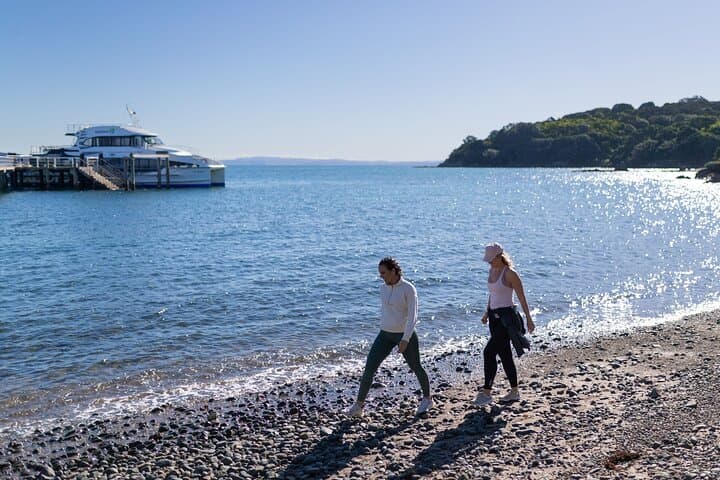
Once cleared of pests and restored by volunteers, Tiritiri Matangi is one of New Zealand’s most successful conservation projects. Māori have known the island for generations—its name suggests winds and movement—and European settlers later built New Zealand’s oldest working lighthouse here. The island’s tracks thread along windswept headlands, past pohutukawa and kohekohe, down to calm bays where wave-sculpted shorelines meet white sand.
Wildlife is the main event: historically rare birds like kōkako and tīeke (saddleback) have been reintroduced, and tuatara bask in sunlit clearings. The era of restoration is visible in every regenerating grove and predator-free sign.
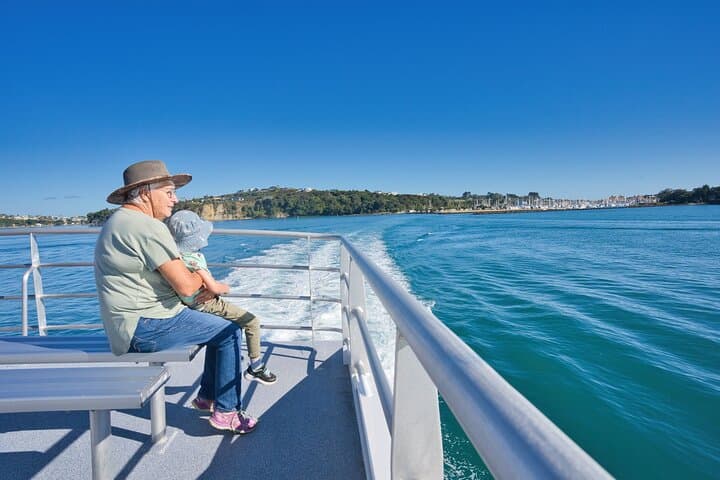
Practically, plan for a full-day outing. Ferries from Auckland take about 80 minutes each way (20 minutes from Gulf Harbour), and the operator’s schedule leaves several hours on the island for self-guided walks, beaches, and the lighthouse lookout. Stay on marked trails to protect nesting sites, carry sealed food to avoid introducing pests, bring water and sun protection, and allow time to move slowly—birdsong slows the pace and rewards patience. The island has no shops; expect a return ferry later in the afternoon and check departure times before you land.
easy.
5–9 hours.
Suitable for most fitness levels; expect up to a few hours of easy-to-moderate walking with some short steep sections.
Ferries depart from Auckland Viaduct (about 80 minutes) or Gulf Harbour (about 20 minutes); check your booking for exact departure, and arrive 15 minutes early.
Yes—Hobbs Beach is a calm spot for a swim when conditions are mild, but there are no lifeguards; swim with caution and check tides and currents.
There are limited facilities; no shops—bring everything you need; some refreshments may be available on the ferry before landing.
Sightings are possible but not guaranteed; kōkako and other reintroduced species are present, and moving quietly increases your chances.
Tiritiri Matangi has been the focus of an intensive community-led restoration since the 1980s; eradication of pests allowed the reintroduction of several rare native species.
Visitors must not bring loose food or gear that could harbor pests; staying on trails and taking all rubbish home helps protect nesting birds and fragile vegetation.
Explore Group Limited operates guided outdoor trips and adventures with an emphasis on safety, stewardship, and memorable experiences.
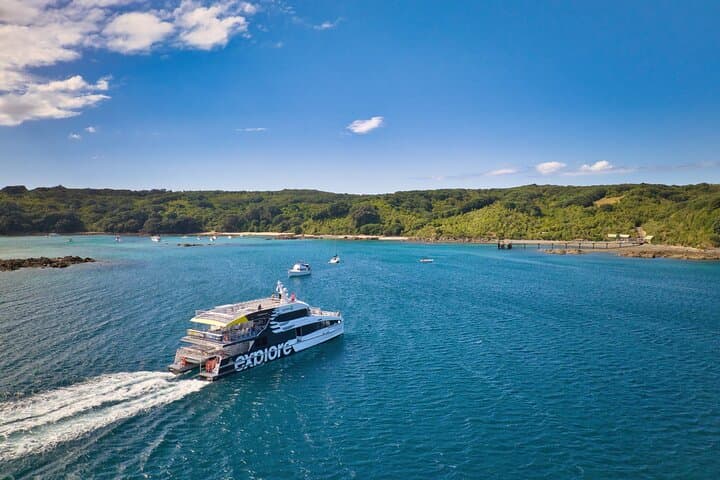
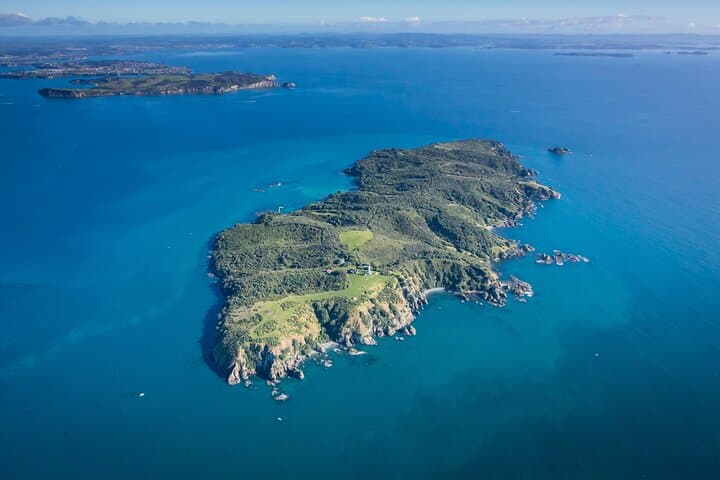
A brisk ferry slides out of the Viaduct Basin and the Hauraki Gulf unfurls: grey-blue water, gulls skimming, and Tiritiri Matangi rising like a small green world on the horizon. The island’s cliff edges dare you to come closer; its native bush breathes, and the lighthouse watches the passage of boats with the steady patience of a keeper.
A brisk ferry slides out of the Viaduct Basin and the Hauraki Gulf unfurls: grey-blue water, gulls skimming, and Tiritiri Matangi rising like a small green world on the horizon. The island’s cliff edges dare you to come closer; its native bush breathes, and the lighthouse watches the passage of boats with the steady patience of a keeper.
Once cleared of pests and restored by volunteers, Tiritiri Matangi is one of New Zealand’s most successful conservation projects. Māori have known the island for generations—its name suggests winds and movement—and European settlers later built New Zealand’s oldest working lighthouse here. The island’s tracks thread along windswept headlands, past pohutukawa and kohekohe, down to calm bays where wave-sculpted shorelines meet white sand.
Wildlife is the main event: historically rare birds like kōkako and tīeke (saddleback) have been reintroduced, and tuatara bask in sunlit clearings. The era of restoration is visible in every regenerating grove and predator-free sign.
Practically, plan for a full-day outing. Ferries from Auckland take about 80 minutes each way (20 minutes from Gulf Harbour), and the operator’s schedule leaves several hours on the island for self-guided walks, beaches, and the lighthouse lookout. Stay on marked trails to protect nesting sites, carry sealed food to avoid introducing pests, bring water and sun protection, and allow time to move slowly—birdsong slows the pace and rewards patience. The island has no shops; expect a return ferry later in the afternoon and check departure times before you land.