THE ADVENTURE COLLECTIVE® · Independent discovery and booking for outdoor travel

Cross the border from Ohrid for a full-day private tour to Tirana and Durres. Visit Tirana’s National Archaeological Museum and Et’hem Bej Mosque, then explore Durres’ Roman amphitheater and coastal archaeological museum.
Cross the border from Ohrid for a full-day private tour to Tirana and Durres. Visit Tirana’s National Archaeological Museum and Et’hem Bej Mosque, then explore Durres’ Roman amphitheater and coastal archaeological museum.
A morning in Ohrid dissolves into highway air as the car threads north toward the Albanian border, metal and sea light unfolding ahead.
Verified experiences and guided adventures in the surrounding area.
Operated by Experience Balkan · Ohrid, North Macedonia
A morning in Ohrid dissolves into highway air as the car threads north toward the Albanian border, metal and sea light unfolding ahead.
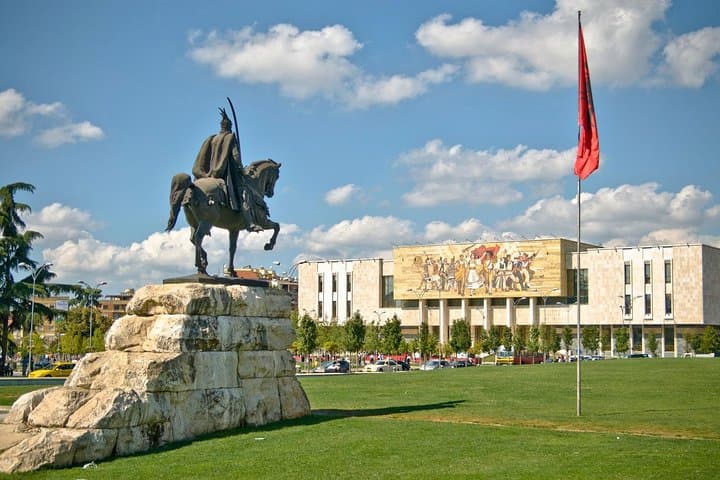
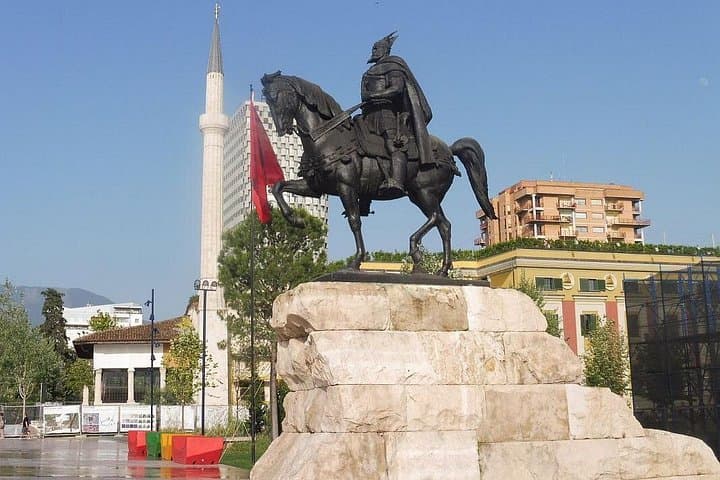
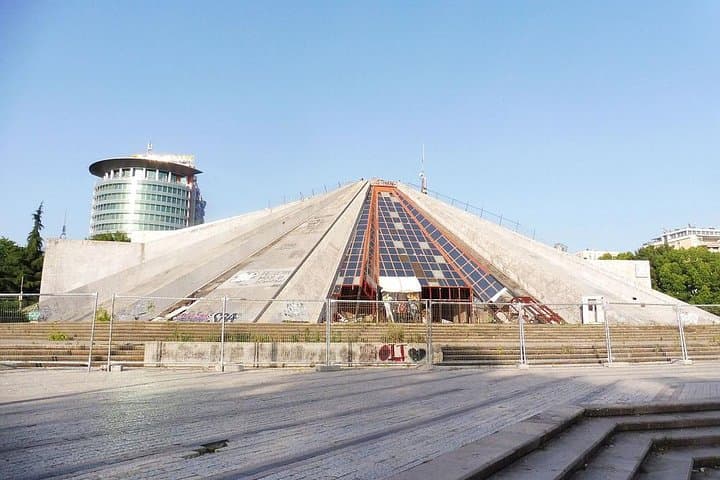
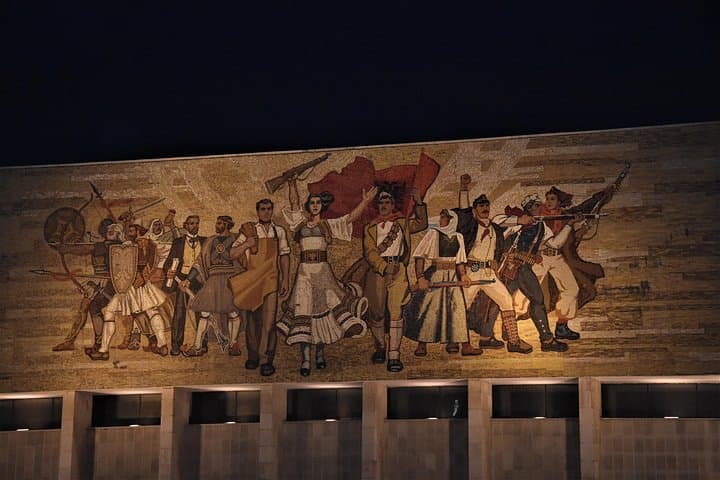
By mid-morning you step into Tirana: the compact National Archaeological Museum and the low-domed Et’hem Bej Mosque give a quick cultural orientation, while the city’s concrete landmarks—like the repurposed Pyramid—offer a blunt reminder of Albania’s 20th-century past.
Historically, Tirana rose to prominence only in the 20th century, then reimagined itself after communism; nearby Durres carries deeper layers — a Roman-era amphitheater begun under Trajan and a coastal archaeological museum that speaks to centuries of Adriatic trade.
Geology shifts visibly: the inland lakes and karst around Ohrid give way to alluvial plains and the low limestone and sand of the coastline. Culture here is direct—market vendors call out on the streets of Tirana’s Pazari i Ri, fishermen sort nets in Durres, and archeological stones keep the past at eye level.
Practically, expect long stretches in the vehicle broken by short, guided walks—paved city blocks, museum floors, and uneven ruins at the amphitheater. Border formalities add time; bring valid ID and photocopies.
Timing matters: an early departure from Ohrid gives more time for sights and a relaxed return before nightfall. Wear comfortable walking shoes, keep water and a sun layer handy, and plan for a mix of urban steps and dusty ruins. For travelers who want history, coastline, and a swift cross-border snapshot, this private day tour delivers a compact, well-paced introduction to two very different Albanian faces.
easy.
12–13 hours.
Light fitness: able to sit in a vehicle for extended periods and walk short distances at museums and ruins.
Visa requirements depend on your nationality—confirm entry rules before travel and carry any visas or documentation required; the tour operator does not arrange visas.
Yes—pick-up and drop-off from locations in Ohrid are included in the tour price as stated in the itinerary.
The itinerary lists museum visits but admissions are typically not included—confirm with the operator ahead of booking.
Border wait times vary; allow 30–90 minutes depending on time of day and season—early departures help minimize delays.
Durres’ amphitheater dates to the 2nd century AD under Emperor Trajan; Tirana became Albania’s capital only in the early 20th century and later bore heavy imprint from the communist era.
Coastal archaeology and ancient stonework are sensitive to foot traffic—stay on marked paths, avoid climbing ruins, and support local businesses that practice responsible tourism.
Experience Balkan operates guided outdoor trips and adventures with an emphasis on safety, stewardship, and memorable experiences.
A morning in Ohrid dissolves into highway air as the car threads north toward the Albanian border, metal and sea light unfolding ahead.
A morning in Ohrid dissolves into highway air as the car threads north toward the Albanian border, metal and sea light unfolding ahead.
By mid-morning you step into Tirana: the compact National Archaeological Museum and the low-domed Et’hem Bej Mosque give a quick cultural orientation, while the city’s concrete landmarks—like the repurposed Pyramid—offer a blunt reminder of Albania’s 20th-century past.
Historically, Tirana rose to prominence only in the 20th century, then reimagined itself after communism; nearby Durres carries deeper layers — a Roman-era amphitheater begun under Trajan and a coastal archaeological museum that speaks to centuries of Adriatic trade.
Geology shifts visibly: the inland lakes and karst around Ohrid give way to alluvial plains and the low limestone and sand of the coastline. Culture here is direct—market vendors call out on the streets of Tirana’s Pazari i Ri, fishermen sort nets in Durres, and archeological stones keep the past at eye level.
Practically, expect long stretches in the vehicle broken by short, guided walks—paved city blocks, museum floors, and uneven ruins at the amphitheater. Border formalities add time; bring valid ID and photocopies.
Timing matters: an early departure from Ohrid gives more time for sights and a relaxed return before nightfall. Wear comfortable walking shoes, keep water and a sun layer handy, and plan for a mix of urban steps and dusty ruins. For travelers who want history, coastline, and a swift cross-border snapshot, this private day tour delivers a compact, well-paced introduction to two very different Albanian faces.