THE ADVENTURE COLLECTIVE® · Independent discovery and booking for outdoor travel

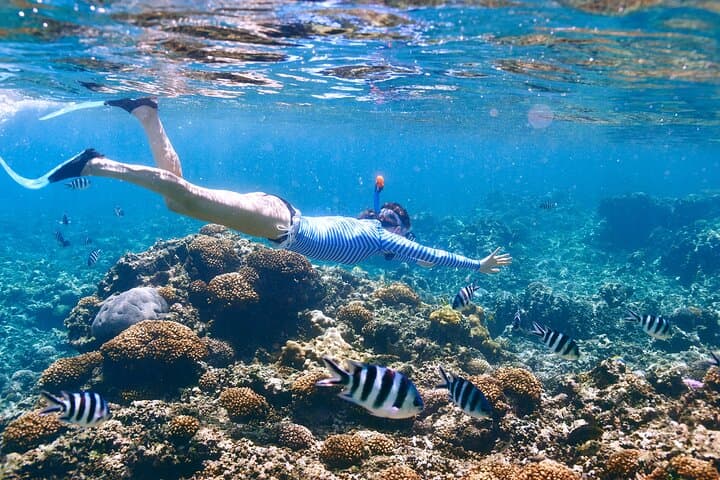
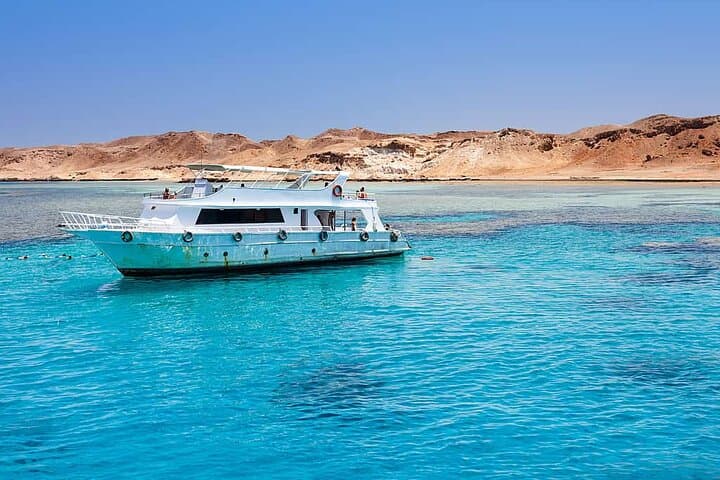
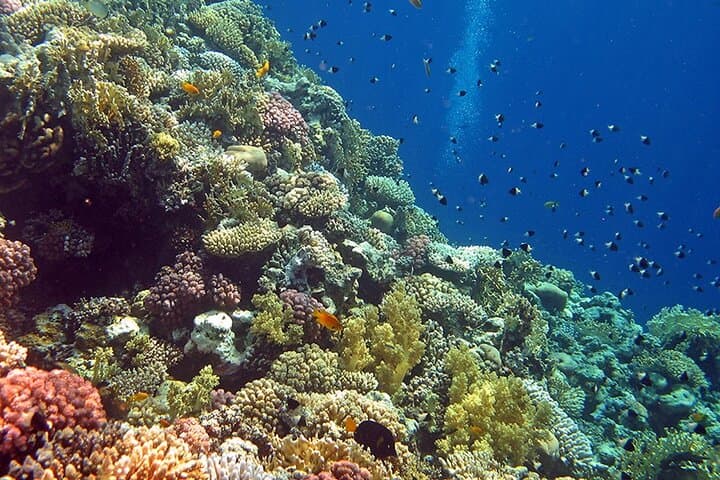
An eight‑hour boat trip from Sharm El Sheikh to Tiran Island delivers two guided snorkeling stops, onboard lunch, and hotel transfers. Expect clear water, abundant coral gardens, and marine life viewing best in the morning calm.
An eight‑hour boat trip from Sharm El Sheikh to Tiran Island delivers two guided snorkeling stops, onboard lunch, and hotel transfers. Expect clear water, abundant coral gardens, and marine life viewing best in the morning calm.
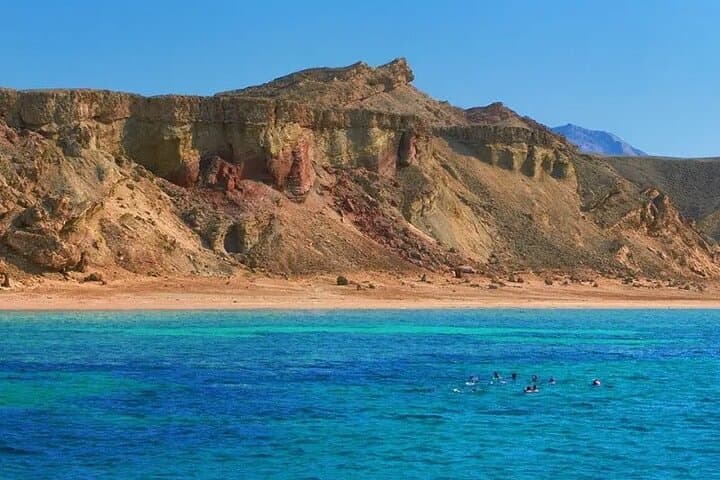
The boat slips free from the marina before dawn, and the Red Sea opens like a cooled glass surface under a pale sky. Salt and diesel mix in the air; fishermen’s nets and hotel terraces recede as the shoreline becomes a low, ochre ridge. Within an hour you’re threading the narrow throat of the Gulf of Aqaba toward Tiran Island, where hard coral gardens rise from blue depths and the current itself seems to pull you toward color.
Verified experiences and guided adventures in the surrounding area.
Operated by Your Tours Guide · Sharm El Sheikh, South Sinai
The boat slips free from the marina before dawn, and the Red Sea opens like a cooled glass surface under a pale sky. Salt and diesel mix in the air; fishermen’s nets and hotel terraces recede as the shoreline becomes a low, ochre ridge. Within an hour you’re threading the narrow throat of the Gulf of Aqaba toward Tiran Island, where hard coral gardens rise from blue depths and the current itself seems to pull you toward color.
Tiran sits at a geographic crossroads. Its reefs formed over millennia as coral skeletons grew on volcanic and sedimentary seafloor, shaped by the deep, clear water of the Red Sea and the currents running through the Straits of Tiran. Historically the island marked a strategic naval chokepoint, and today its waters are a living archive: shoals of butterflyfish, wrasse, and the occasional green turtle patrol the reef slopes around old coral bommies.
Culturally the trip is simple and social — an eight-hour rhythm of boat, two guided snorkeling stops, and lunch served onboard that leans local: grilled fish, hummus, and salad, washed down with tea or soda. Guides are typically local divers who read the sea as well as anyone; they’ll point out coral types, anemone homes, and where to drift for the best visibility.
Practical side: the operator provides snorkel equipment and hotel transfers, and pickup is usually 30 minutes before departure. Expect an 8‑hour day including two snorkeling sessions, each long enough to explore shallow gardens and deeper ledges. Seas are calmest in the morning; wind and choppy water pick up after midday, so the early window yields the clearest underwater photos.
Prepare for sun, salt, and the occasional swell. Use a well-fitted mask and reef-safe sunscreen; if you’re prone to seasickness, take medication the night before and the morning of travel. Guides will brief on reef etiquette — no touching or standing on coral — and boats will often anchor in sandy patches to protect the reef.
For photographers, underwater housings are rewarded during the first stop; for quieter moments, the bow at sunrise frames Tiran’s silhouette against the Sinai ridge. The day trip is accessible for most people with basic swimming skills, but you’ll get more out of it if you can clear your mask and control buoyancy. Leave room in your schedule for a relaxed shower and a cold drink back onshore — the kind of easy, marine day that sharpens the senses and remakes your idea of color underneath a surface most travelers never fully see.
moderate.
8 hours.
Suitable for most travelers with basic swimming ability; expect repeated surface swims and brief boat climbs.
Yes — transfers to and from your accommodation in Sharm El Sheikh are included; confirm your pickup time (usually 30 minutes before departure).
Snorkeling equipment is provided, but many travelers bring their own mask for fit and clarity.
The trip is suitable for most fitness levels; you should be comfortable in open water and able to swim short distances while snorkeling.
Take preventative medication before boarding, sit mid‑boat for stability, and avoid alcohol the day before.
Yes — operators typically offer vegetarian choices; notify the provider in advance when booking if you have special dietary needs.
No — touching coral damages fragile structures and feeding wildlife disrupts natural behavior; follow the guide’s conservation briefing.
Tiran Island’s position at the mouth of the Gulf of Aqaba has long made it strategically important for navigation and regional control.
Reef health is vulnerable to warming and human contact — operators encourage reef‑safe sunscreen, no‑touch rules, and using sandy anchor spots to protect coral.
Your Tours Guide operates guided outdoor trips and adventures with an emphasis on safety, stewardship, and memorable experiences.
The boat slips free from the marina before dawn, and the Red Sea opens like a cooled glass surface under a pale sky. Salt and diesel mix in the air; fishermen’s nets and hotel terraces recede as the shoreline becomes a low, ochre ridge. Within an hour you’re threading the narrow throat of the Gulf of Aqaba toward Tiran Island, where hard coral gardens rise from blue depths and the current itself seems to pull you toward color.
The boat slips free from the marina before dawn, and the Red Sea opens like a cooled glass surface under a pale sky. Salt and diesel mix in the air; fishermen’s nets and hotel terraces recede as the shoreline becomes a low, ochre ridge. Within an hour you’re threading the narrow throat of the Gulf of Aqaba toward Tiran Island, where hard coral gardens rise from blue depths and the current itself seems to pull you toward color.
Tiran sits at a geographic crossroads. Its reefs formed over millennia as coral skeletons grew on volcanic and sedimentary seafloor, shaped by the deep, clear water of the Red Sea and the currents running through the Straits of Tiran. Historically the island marked a strategic naval chokepoint, and today its waters are a living archive: shoals of butterflyfish, wrasse, and the occasional green turtle patrol the reef slopes around old coral bommies.
Culturally the trip is simple and social — an eight-hour rhythm of boat, two guided snorkeling stops, and lunch served onboard that leans local: grilled fish, hummus, and salad, washed down with tea or soda. Guides are typically local divers who read the sea as well as anyone; they’ll point out coral types, anemone homes, and where to drift for the best visibility.
Practical side: the operator provides snorkel equipment and hotel transfers, and pickup is usually 30 minutes before departure. Expect an 8‑hour day including two snorkeling sessions, each long enough to explore shallow gardens and deeper ledges. Seas are calmest in the morning; wind and choppy water pick up after midday, so the early window yields the clearest underwater photos.
Prepare for sun, salt, and the occasional swell. Use a well-fitted mask and reef-safe sunscreen; if you’re prone to seasickness, take medication the night before and the morning of travel. Guides will brief on reef etiquette — no touching or standing on coral — and boats will often anchor in sandy patches to protect the reef.
For photographers, underwater housings are rewarded during the first stop; for quieter moments, the bow at sunrise frames Tiran’s silhouette against the Sinai ridge. The day trip is accessible for most people with basic swimming skills, but you’ll get more out of it if you can clear your mask and control buoyancy. Leave room in your schedule for a relaxed shower and a cold drink back onshore — the kind of easy, marine day that sharpens the senses and remakes your idea of color underneath a surface most travelers never fully see.