THE ADVENTURE COLLECTIVE® · Independent discovery and booking for outdoor travel

Camp in a tipi on Anmardub Island in the San Blas (Guna Yala) archipelago: private beachfront, shared paddleboards and snorkel gear, plus meals at a simple island restaurant. Expect basic comforts, clear reefs and a two‑day tropical escape with early transfer from Panama City.
Camp in a tipi on Anmardub Island in the San Blas (Guna Yala) archipelago: private beachfront, shared paddleboards and snorkel gear, plus meals at a simple island restaurant. Expect basic comforts, clear reefs and a two‑day tropical escape with early transfer from Panama City.
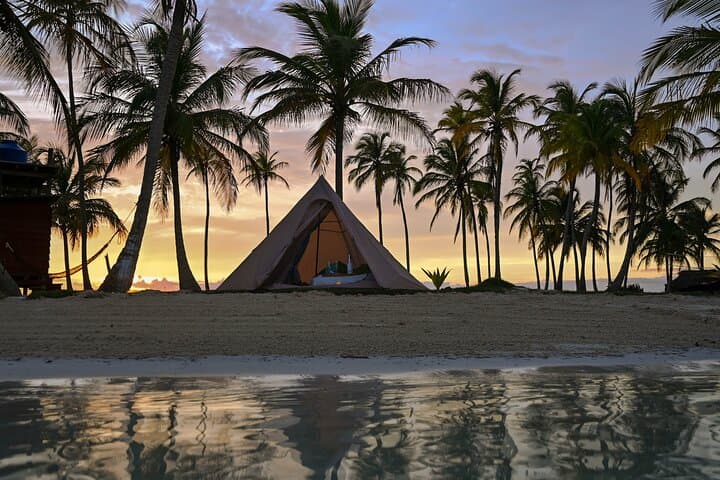
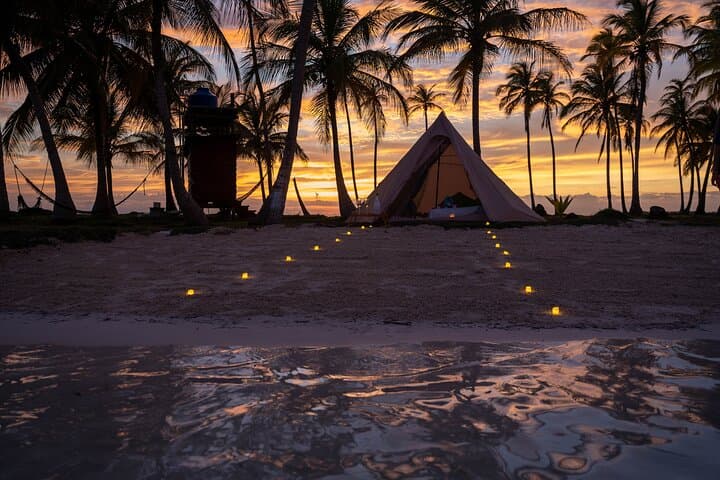
The sun slips low over a shallow lagoon and the water turns the color of broken glass. You unzip a canvas tipi set a few meters from white sand, the ocean breathing just beyond the entrance; the only sounds are gull calls and distant surf. This is Anmardub Island in the Guna Yala (San Blas) archipelago—raw Caribbean shoreline with a small island restaurant and the promise of privacy once the day boats leave.
Verified experiences and guided adventures in the surrounding area.
Operated by Panama San Blas Tours · Cartí, Guna Yala
The sun slips low over a shallow lagoon and the water turns the color of broken glass. You unzip a canvas tipi set a few meters from white sand, the ocean breathing just beyond the entrance; the only sounds are gull calls and distant surf. This is Anmardub Island in the Guna Yala (San Blas) archipelago—raw Caribbean shoreline with a small island restaurant and the promise of privacy once the day boats leave.
The San Blas islands are part of Guna territory, held and managed by the Guna people for generations; their villages and boat routes shape local life and travel. Geologically the cays are coral-built, low and ringed by reefs that shelter clear snorkeling gardens and natural tidal pools where starfish often settle. Culturally, visits are respectful and paced to local rhythms—meals at the island restaurant and modest infrastructure keep the footprint light.
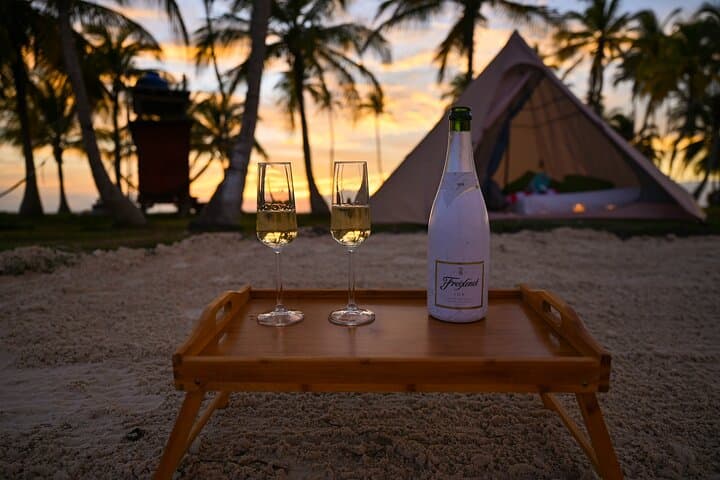
Practically, expect a long morning transfer from Panama City followed by a shared boat hop. Your stay includes a tipi with an inflatable mattress, linens, paddleboards and snorkel gear to share; dinner, breakfast and lunch are provided. Evenings are simple—soft lighting, a bottle of wine, and sky-laced stars.
Bring reef-safe sunscreen, a dry bag for electronics, and a warm layer for breezy nights. Water is potable at the restaurant but carry a refillable bottle. Plan for basic facilities, limited electricity, and rustic comfort rather than luxury. Timing your trip in the drier months (late December–April) gives the clearest snorkeling and calmest crossings, while the rainy season can be dramatically green and quieter.
This is an accessible island-camping experience that favors intention over amenities: a place to sleep beside the surf, paddle at dawn, and let the Caribbean tide set the pace.
moderate.
2 days (48 hours).
Suitable for travelers in regular good health; requires short boat transfers, basic paddling and snorkeling stamina.
Pickup from Panama City hotels is early (around 5:20 AM) for a roughly 3‑hour drive to the dock, followed by a shared boat transfer to the island.
Tipis are set in a private camping area on the island for two, with an inflatable mattress, sheets, pillows, and basic lighting; food and shared snorkel/paddle gear are included per itinerary.
Snorkel masks and paddleboards are provided to share; reefs are shallow and clear—basic swimming ability is required and a guide will point out safer spots.
The program involves boat transfers and some beach steps; it's listed as suitable for most fitness levels but not recommended for people with serious spinal or cardiovascular conditions.
The San Blas islands are part of the autonomous Guna Yala territory; the Guna people govern local land use and operate many island services, which shapes how tourism is run here.
Respect reef health—use reef‑safe products, avoid standing on corals, and pack out trash; small island ecosystems are highly sensitive to waste and boat traffic.
Panama San Blas Tours operates guided outdoor trips and adventures with an emphasis on safety, stewardship, and memorable experiences.
The sun slips low over a shallow lagoon and the water turns the color of broken glass. You unzip a canvas tipi set a few meters from white sand, the ocean breathing just beyond the entrance; the only sounds are gull calls and distant surf. This is Anmardub Island in the Guna Yala (San Blas) archipelago—raw Caribbean shoreline with a small island restaurant and the promise of privacy once the day boats leave.
The sun slips low over a shallow lagoon and the water turns the color of broken glass. You unzip a canvas tipi set a few meters from white sand, the ocean breathing just beyond the entrance; the only sounds are gull calls and distant surf. This is Anmardub Island in the Guna Yala (San Blas) archipelago—raw Caribbean shoreline with a small island restaurant and the promise of privacy once the day boats leave.
The San Blas islands are part of Guna territory, held and managed by the Guna people for generations; their villages and boat routes shape local life and travel. Geologically the cays are coral-built, low and ringed by reefs that shelter clear snorkeling gardens and natural tidal pools where starfish often settle. Culturally, visits are respectful and paced to local rhythms—meals at the island restaurant and modest infrastructure keep the footprint light.
Practically, expect a long morning transfer from Panama City followed by a shared boat hop. Your stay includes a tipi with an inflatable mattress, linens, paddleboards and snorkel gear to share; dinner, breakfast and lunch are provided. Evenings are simple—soft lighting, a bottle of wine, and sky-laced stars.
Bring reef-safe sunscreen, a dry bag for electronics, and a warm layer for breezy nights. Water is potable at the restaurant but carry a refillable bottle. Plan for basic facilities, limited electricity, and rustic comfort rather than luxury. Timing your trip in the drier months (late December–April) gives the clearest snorkeling and calmest crossings, while the rainy season can be dramatically green and quieter.
This is an accessible island-camping experience that favors intention over amenities: a place to sleep beside the surf, paddle at dawn, and let the Caribbean tide set the pace.