THE ADVENTURE COLLECTIVE® · Independent discovery and booking for outdoor travel

Turn Timisoara’s streets into a playable map: this 2-hour self-guided scavenger hunt uses GPS puzzles and photo tasks to reveal hidden historical and cultural corners of the city. Perfect for solo explorers or small competitive teams.
Turn Timisoara’s streets into a playable map: this 2-hour self-guided scavenger hunt uses GPS puzzles and photo tasks to reveal hidden historical and cultural corners of the city. Perfect for solo explorers or small competitive teams.
A crisp morning in Timisoara finds the city waking along the Bega River; cobblestones hold the echo of trams and church bells, while an app-led scavenger hunt pushes visitors into narrow laneways and quiet courtyards. The Self-Guided Secrets Exploration Game hands players a phone-based map, puzzles and photo tasks that turn ordinary sightseeing into a timed urban challenge—think a walking escape room across the historic center.
Verified experiences and guided adventures in the surrounding area.
Operated by City Game · Timișoara, Timiș County
A crisp morning in Timisoara finds the city waking along the Bega River; cobblestones hold the echo of trams and church bells, while an app-led scavenger hunt pushes visitors into narrow laneways and quiet courtyards. The Self-Guided Secrets Exploration Game hands players a phone-based map, puzzles and photo tasks that turn ordinary sightseeing into a timed urban challenge—think a walking escape room across the historic center.
Players move through planned checkpoints that highlight the city's Austro-Hungarian architecture, Baroque facades in Unirii Square and the neo-Byzantine silhouette of the Orthodox Cathedral. Timisoara’s history is visible in its bastion walls and in stories the game teases out—the city was a key Banat fortress and a flashpoint of Romania’s 1989 revolution. Geology is secondary here, but the Bega's waters shape the riverside promenades and parks that frame many clues.
Culturally, the game leans into local characters, civic landmarks and offbeat facts that even long-time residents may not expect. Practicalities are straightforward: the experience is self-paced, requires a smartphone and internet, and usually runs about two hours across roughly 2–4 km on mixed pavement and cobble.
For successful play, charge devices, wear sturdy shoes for uneven surfaces, and allow extra time for photographing clues. Solo players can enjoy the puzzles at their own pace; groups play competitively with one device per ticket (up to four per team). Start early to avoid tram and market traffic, and use the game as a playful, low-impact way to learn Timisoara’s streets and stories.
moderate.
2 hours.
Able to walk 2–4 km over mixed urban terrain and climb short flights of stairs; suitable for most active travelers.
One ticket covers a team of up to four players using a single device; larger groups should purchase additional tickets to split into teams.
The game is self-guided with GPS checkpoints across the historic center—bookers receive precise start instructions by email and can begin whenever ready.
Much of the center is walkable, but cobblestones and occasional steps may make some sections difficult for wheelchairs or strollers—contact the operator for details.
You can start the game at your convenience after booking; standard cancellation policies apply if you cancel more than 24 hours before the scheduled date for a full refund.
Timisoara’s layout reflects its Habsburg-era fortifications and later civic growth; it was a key site in the 1989 Romanian Revolution and one of Europe’s early adopters of electric street lighting.
Stick to sidewalks and marked paths, avoid leaving waste in historic courtyards, and support small local shops encountered during the route to help sustain the city’s heritage areas.
City Game operates guided outdoor trips and adventures with an emphasis on safety, stewardship, and memorable experiences.
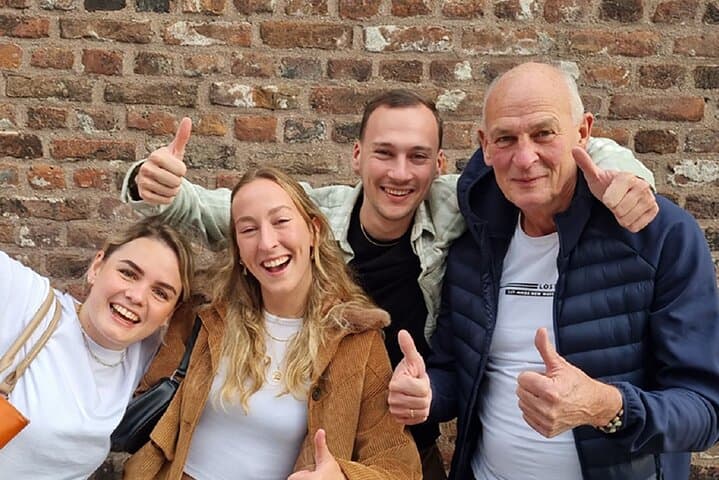
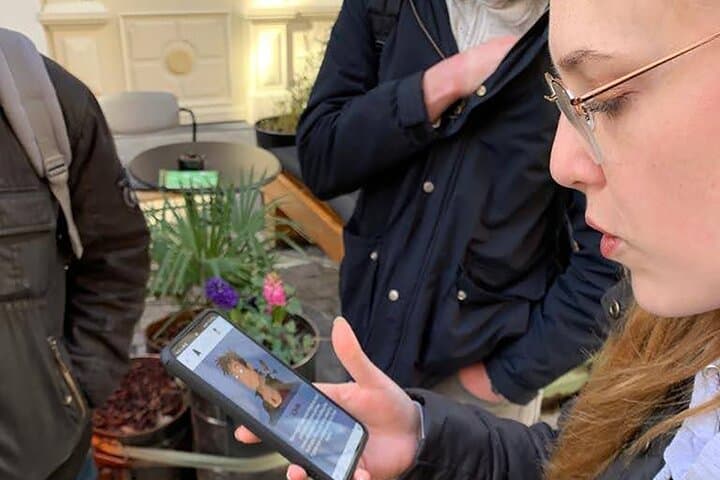
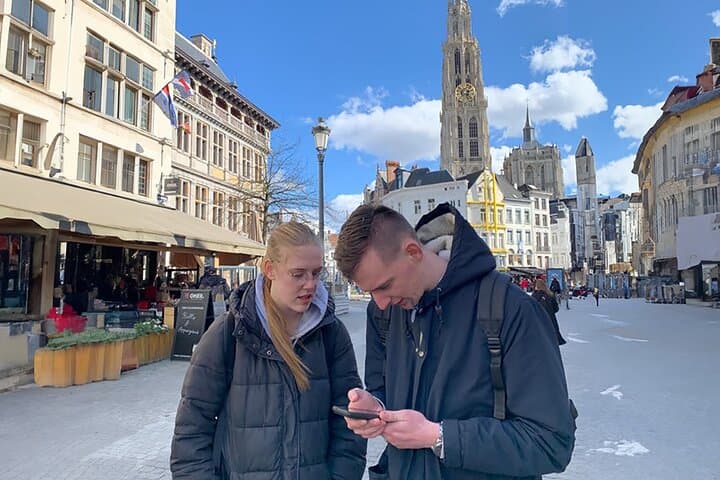
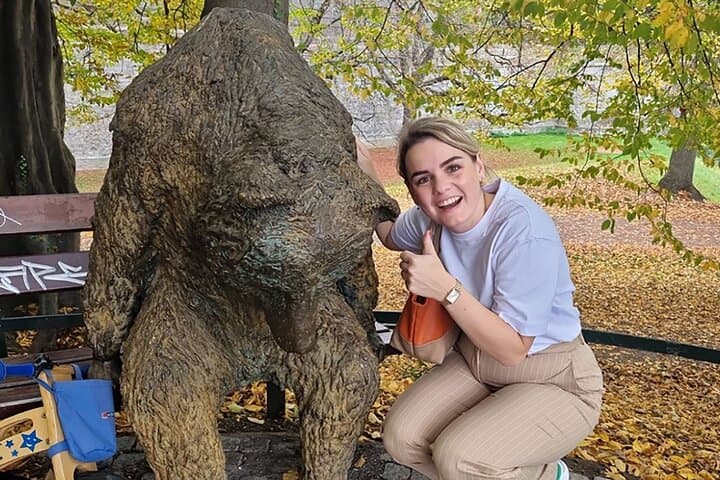
A crisp morning in Timisoara finds the city waking along the Bega River; cobblestones hold the echo of trams and church bells, while an app-led scavenger hunt pushes visitors into narrow laneways and quiet courtyards. The Self-Guided Secrets Exploration Game hands players a phone-based map, puzzles and photo tasks that turn ordinary sightseeing into a timed urban challenge—think a walking escape room across the historic center.
A crisp morning in Timisoara finds the city waking along the Bega River; cobblestones hold the echo of trams and church bells, while an app-led scavenger hunt pushes visitors into narrow laneways and quiet courtyards. The Self-Guided Secrets Exploration Game hands players a phone-based map, puzzles and photo tasks that turn ordinary sightseeing into a timed urban challenge—think a walking escape room across the historic center.
Players move through planned checkpoints that highlight the city's Austro-Hungarian architecture, Baroque facades in Unirii Square and the neo-Byzantine silhouette of the Orthodox Cathedral. Timisoara’s history is visible in its bastion walls and in stories the game teases out—the city was a key Banat fortress and a flashpoint of Romania’s 1989 revolution. Geology is secondary here, but the Bega's waters shape the riverside promenades and parks that frame many clues.
Culturally, the game leans into local characters, civic landmarks and offbeat facts that even long-time residents may not expect. Practicalities are straightforward: the experience is self-paced, requires a smartphone and internet, and usually runs about two hours across roughly 2–4 km on mixed pavement and cobble.
For successful play, charge devices, wear sturdy shoes for uneven surfaces, and allow extra time for photographing clues. Solo players can enjoy the puzzles at their own pace; groups play competitively with one device per ticket (up to four per team). Start early to avoid tram and market traffic, and use the game as a playful, low-impact way to learn Timisoara’s streets and stories.