THE ADVENTURE COLLECTIVE® · Independent discovery and booking for outdoor travel

Just an hour from Marrakech, the Timinkar Plateau delivers a high‑Atlas day of 13 villages, terraced fields and sweeping views of Mount Meltsen. This private day tour mixes short walks, a home-cooked tajine lunch and authentic village markets.
Just an hour from Marrakech, the Timinkar Plateau delivers a high‑Atlas day of 13 villages, terraced fields and sweeping views of Mount Meltsen. This private day tour mixes short walks, a home-cooked tajine lunch and authentic village markets.
You rise out of Marrakech’s dust and citrus groves and, within an hour, the road tightens into pine-scented switchbacks. The plateau opens like a sudden shelf at roughly 1,900–2,160 meters: low stone villages ringed by terraced fields, a stair-step of flat roofs and narrow lanes, and the high peaks—Mount Meltsen and Arjot—staking the skyline.
Verified experiences and guided adventures in the surrounding area.
Operated by Morocco Atlas Activities · Ourika Valley, Marrakesh-Safi
You rise out of Marrakech’s dust and citrus groves and, within an hour, the road tightens into pine-scented switchbacks. The plateau opens like a sudden shelf at roughly 1,900–2,160 meters: low stone villages ringed by terraced fields, a stair-step of flat roofs and narrow lanes, and the high peaks—Mount Meltsen and Arjot—staking the skyline.
This high Atlas landscape is shaped by volcanic and metamorphic bedrock, cut by seasonal streams and held by dry-stone terraces that Amazigh (Berber) families farm to this day. Markets still follow a weekly rhythm here: Laagerb’s open-air market is a living archive of crafts from blacksmithing to basket weaving. Passing 13 villages, the route reveals local building styles, irrigation channels, and grazing patterns that reflect centuries of mountain life.
Practically, the tour is a full-day loop (7–9 hours) with long vehicle stretches and short, optional walks between villages and viewpoints. Expect unpaved sections and short steep pitches at passes like Tadrart. Lunch is typically a home-cooked tajine on a village terrace with broad views to Mount Arjot.
Bring sun protection, layered clothing for wind at altitude, and sensible shoes for cobbled lanes. Carry small change for market purchases and be prepared to step off the main route to photograph a dry-stone arch or talk to a host family. The visit rewards curious travelers with quiet mountain panoramas and direct encounters with rural Atlas culture.
moderate.
7–9 hours.
Moderate stamina for short uphill walks, getting in/out of vehicles, and standing at viewpoints.
The tour runs about 7–9 hours and typically departs Marrakech around 08:30, returning late afternoon.
Yes—this private tour is rated physically easy with optional short walks; however, it may not suit those with serious spinal issues or severe mobility limits.
Yes—the itinerary includes a stop at Laagerb’s weekly market and opportunities to visit villages and a family for lunch.
Basic village facilities are available, and small vendors usually accept cash (Moroccan dirham); card acceptance is limited.
The plateau communities are Amazigh (Berber) in heritage; their terraced agriculture and weekly souks reflect centuries of mountain adaptation and trade with Marrakech.
Water is scarce and grazing pressure shapes the landscape—support local hosts, avoid single-use plastics, and stick to paths to reduce erosion and protect terraces.
Morocco Atlas Activities operates guided outdoor trips and adventures with an emphasis on safety, stewardship, and memorable experiences.
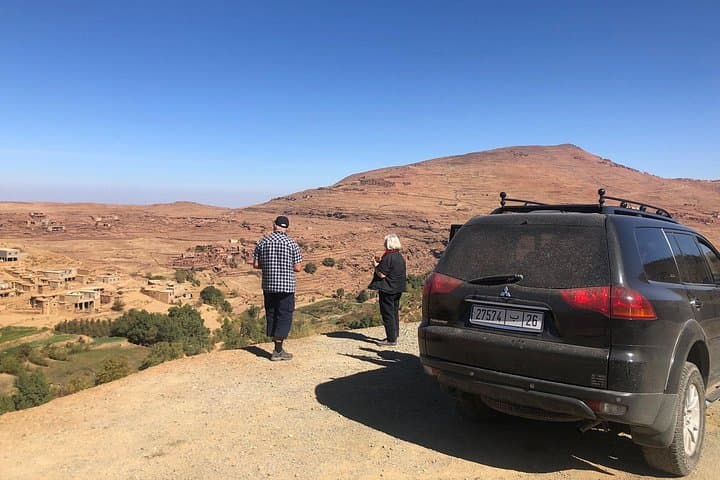
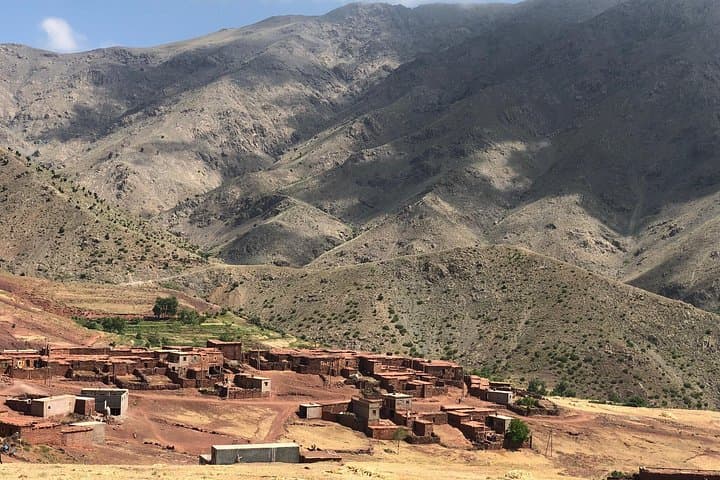
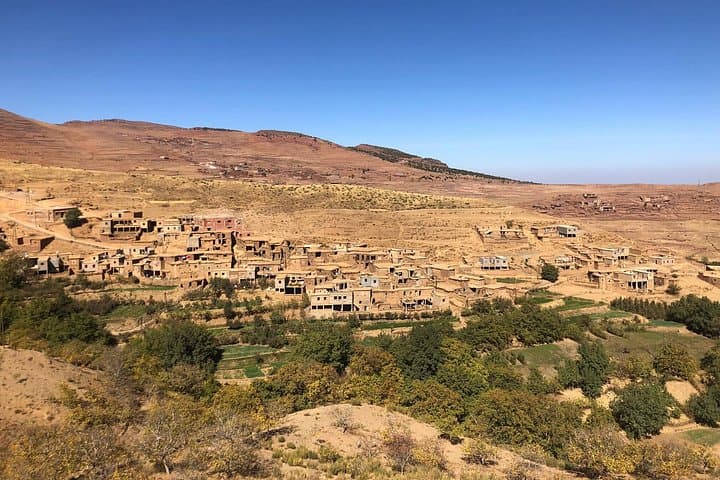
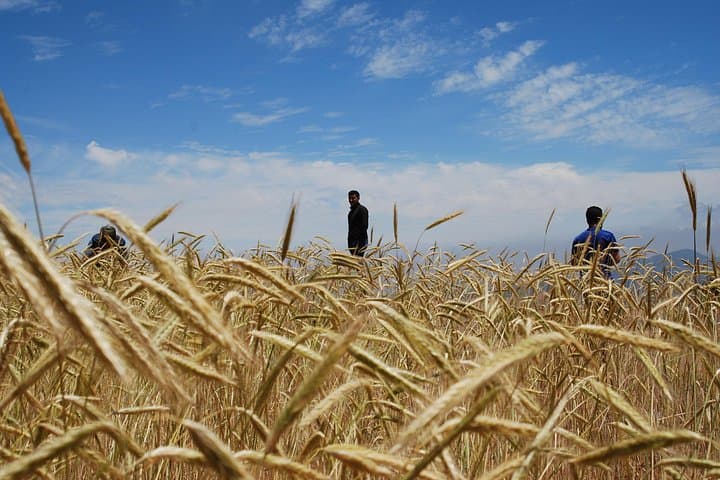
You rise out of Marrakech’s dust and citrus groves and, within an hour, the road tightens into pine-scented switchbacks. The plateau opens like a sudden shelf at roughly 1,900–2,160 meters: low stone villages ringed by terraced fields, a stair-step of flat roofs and narrow lanes, and the high peaks—Mount Meltsen and Arjot—staking the skyline.
You rise out of Marrakech’s dust and citrus groves and, within an hour, the road tightens into pine-scented switchbacks. The plateau opens like a sudden shelf at roughly 1,900–2,160 meters: low stone villages ringed by terraced fields, a stair-step of flat roofs and narrow lanes, and the high peaks—Mount Meltsen and Arjot—staking the skyline.
This high Atlas landscape is shaped by volcanic and metamorphic bedrock, cut by seasonal streams and held by dry-stone terraces that Amazigh (Berber) families farm to this day. Markets still follow a weekly rhythm here: Laagerb’s open-air market is a living archive of crafts from blacksmithing to basket weaving. Passing 13 villages, the route reveals local building styles, irrigation channels, and grazing patterns that reflect centuries of mountain life.
Practically, the tour is a full-day loop (7–9 hours) with long vehicle stretches and short, optional walks between villages and viewpoints. Expect unpaved sections and short steep pitches at passes like Tadrart. Lunch is typically a home-cooked tajine on a village terrace with broad views to Mount Arjot.
Bring sun protection, layered clothing for wind at altitude, and sensible shoes for cobbled lanes. Carry small change for market purchases and be prepared to step off the main route to photograph a dry-stone arch or talk to a host family. The visit rewards curious travelers with quiet mountain panoramas and direct encounters with rural Atlas culture.