THE ADVENTURE COLLECTIVE® · Independent discovery and booking for outdoor travel

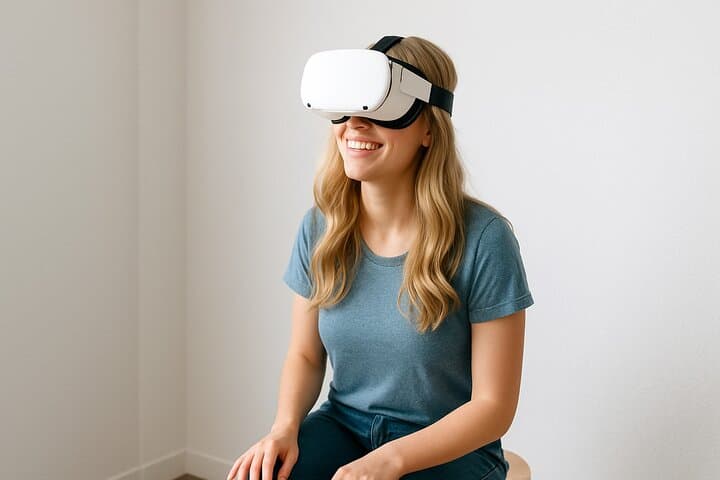
Slide on a headset opposite Tarragona Cathedral and experience Tarraco as it was in the 2nd century: forums, amphitheater and a bustling port reconstructed in immersive VR. This concise, archaeologically informed session prepares you for the city’s living ruins with multilingual narration and accessible facilities.
Slide on a headset opposite Tarragona Cathedral and experience Tarraco as it was in the 2nd century: forums, amphitheater and a bustling port reconstructed in immersive VR. This concise, archaeologically informed session prepares you for the city’s living ruins with multilingual narration and accessible facilities.
You step into an air‑conditioned room opposite Tarragona Cathedral and the present city slips away. Headsets hum, a faint scent of electronics mixes with sea air carried in from the street, and suddenly you are above a Roman harbor: ships tuck into a busy port, the Circus thrums with hooves, and the amphitheater crowds swell in the light of the imperial 2nd century.
Verified experiences and guided adventures in the surrounding area.
Operated by TimePort Tarragona · Tarragona, Catalonia
You step into an air‑conditioned room opposite Tarragona Cathedral and the present city slips away. Headsets hum, a faint scent of electronics mixes with sea air carried in from the street, and suddenly you are above a Roman harbor: ships tuck into a busy port, the Circus thrums with hooves, and the amphitheater crowds swell in the light of the imperial 2nd century.
Tarraco was the administrative heart of Roman Hispania—its forums, temples and walls anchored a province and shaped the coastline. Built on limestone terraces above the Mediterranean, the city’s remains now pepper a compact historic center; TimePort uses digital reconstruction and VR to map those ancient monuments onto today’s streets, showing how the city’s stones, quarries and road alignments evolved over two millennia.
Culturally, the experience bridges scholarly reconstruction and sensory storytelling: narration in multiple languages, archaeologically-informed visuals, and staff who orient you to the sites you’ll later see in person. The result is a short, focused primer that makes a walking tour of the amphitheater, Roman walls and local museum more meaningful.
Practical guidance: the session is about 30 minutes—book online for specific language sessions and arrive 10–15 minutes early. It’s wheelchair accessible and suitable for all fitness levels, but if you’re prone to motion sensitivity sit toward the center and alert staff beforehand. Combine this with the nearby Archaeological Museum and a late‑afternoon stroll along the Balcó del Mediterrani to match virtual vistas with real light. Bring your ticket on a phone, plan 45–90 minutes for a combined VR + short walking visit, and leave room to let the reconstructed city settle into view as you walk the real stones.
easy.
30 minutes.
No special fitness required; mostly seated or standing with minimal walking.
The immersive VR session runs about 30 minutes; plan additional time if you intend to visit nearby Roman sites or the museum.
Narration and content are available in English, Spanish, Catalan, French, German, Italian and Dutch—check the schedule when booking.
Yes. The facility is wheelchair and stroller accessible and staff can assist with headset setup; notify them of accessibility needs when booking.
Children are welcome but infants must sit on a lap; the experience includes moving visuals so parental discretion is advised for very young or motion‑sensitive children.
Tarraco was the capital of the Roman province of Hispania Citerior (later Tarraconensis) and a major administrative and port center in the 1st–3rd centuries AD.
The city’s ruins are protected archaeological sites—stay on marked paths, avoid touching mosaics and support local museums and guides to fund conservation efforts.
TimePort Tarragona operates guided outdoor trips and adventures with an emphasis on safety, stewardship, and memorable experiences.
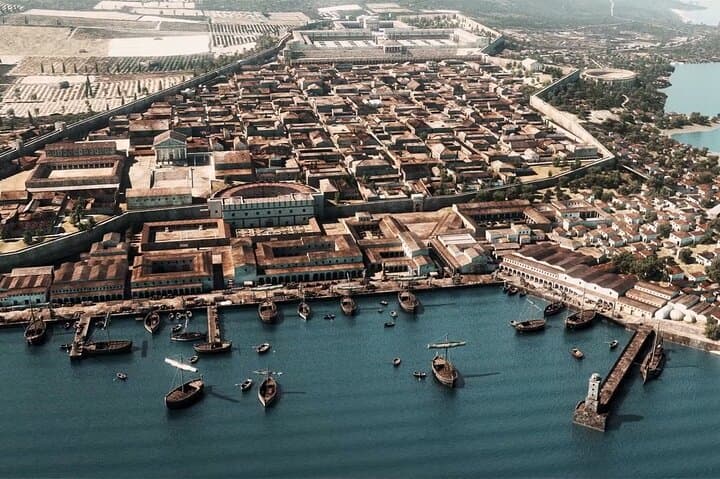
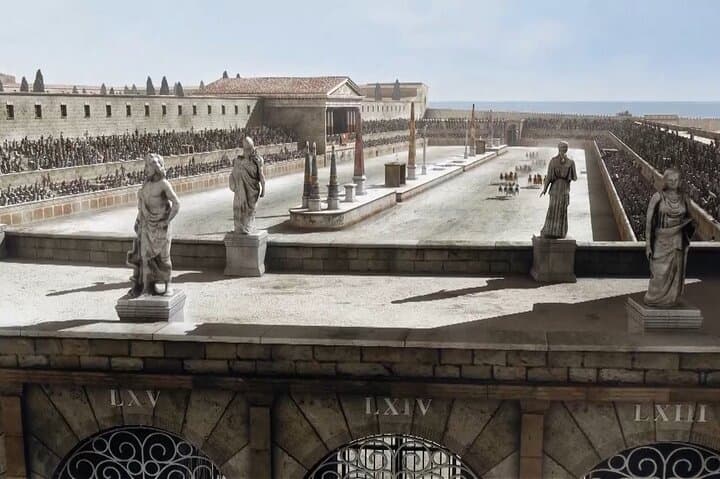
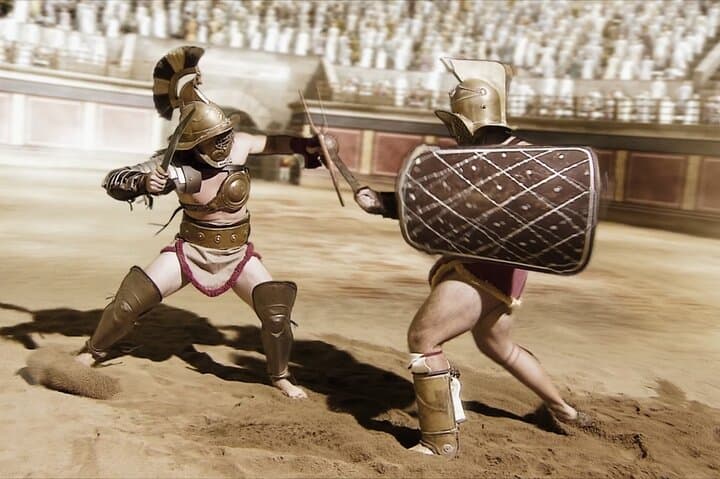
You step into an air‑conditioned room opposite Tarragona Cathedral and the present city slips away. Headsets hum, a faint scent of electronics mixes with sea air carried in from the street, and suddenly you are above a Roman harbor: ships tuck into a busy port, the Circus thrums with hooves, and the amphitheater crowds swell in the light of the imperial 2nd century.
You step into an air‑conditioned room opposite Tarragona Cathedral and the present city slips away. Headsets hum, a faint scent of electronics mixes with sea air carried in from the street, and suddenly you are above a Roman harbor: ships tuck into a busy port, the Circus thrums with hooves, and the amphitheater crowds swell in the light of the imperial 2nd century.
Tarraco was the administrative heart of Roman Hispania—its forums, temples and walls anchored a province and shaped the coastline. Built on limestone terraces above the Mediterranean, the city’s remains now pepper a compact historic center; TimePort uses digital reconstruction and VR to map those ancient monuments onto today’s streets, showing how the city’s stones, quarries and road alignments evolved over two millennia.
Culturally, the experience bridges scholarly reconstruction and sensory storytelling: narration in multiple languages, archaeologically-informed visuals, and staff who orient you to the sites you’ll later see in person. The result is a short, focused primer that makes a walking tour of the amphitheater, Roman walls and local museum more meaningful.
Practical guidance: the session is about 30 minutes—book online for specific language sessions and arrive 10–15 minutes early. It’s wheelchair accessible and suitable for all fitness levels, but if you’re prone to motion sensitivity sit toward the center and alert staff beforehand. Combine this with the nearby Archaeological Museum and a late‑afternoon stroll along the Balcó del Mediterrani to match virtual vistas with real light. Bring your ticket on a phone, plan 45–90 minutes for a combined VR + short walking visit, and leave room to let the reconstructed city settle into view as you walk the real stones.