THE ADVENTURE COLLECTIVE® · Independent discovery and booking for outdoor travel

Skip the crowds and walk Takayama’s historic streets with a private local guide. This two-hour tour pairs preserved Edo-period architecture, park views from Shiroyama, and cultural stops at shrines and festival neighborhoods.
Skip the crowds and walk Takayama’s historic streets with a private local guide. This two-hour tour pairs preserved Edo-period architecture, park views from Shiroyama, and cultural stops at shrines and festival neighborhoods.
On a cool morning in Takayama you step from a quiet side street onto the preserved wooden facades of Kamisannomachi, where tiled roofs and latticed windows hold decades of market life in place.
Verified experiences and guided adventures in the surrounding area.
Operated by Opatrip.com Japan · Takayama, Gifu
On a cool morning in Takayama you step from a quiet side street onto the preserved wooden facades of Kamisannomachi, where tiled roofs and latticed windows hold decades of market life in place.
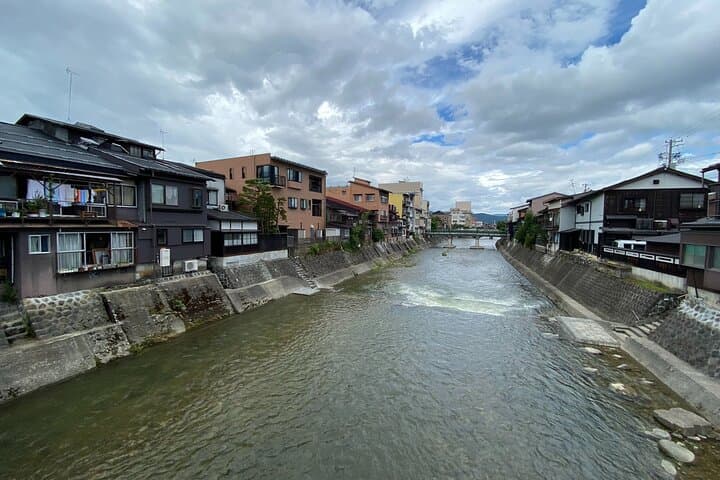
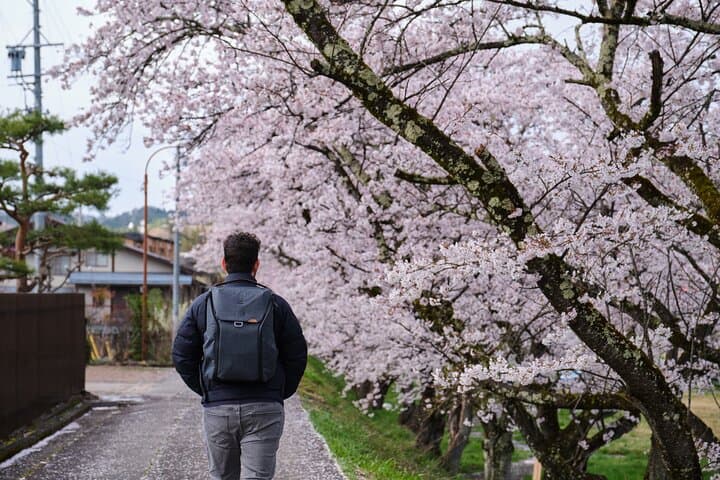
The route threads past Nakabashi Park’s red bridges, through Babamachi’s festival lanes, and up gentle paths to Shiroyama Park, where former castle earthworks open broad views over the Hida basin. The town sits in the foothills of the Northern Japanese Alps; folded sedimentary ranges and steep river valleys shape the plain and the seasonal patterns of cherry and maple stands.
Culturally, Takayama preserves Edo-period merchant architecture and a craft economy of lacquer, woodworking and sake brewing; matsuri traditions still animate Babamachi with floats and community performance. Shrines like Hida Gokoku offer quiet ritual pauses amid the urban fabric.
This private two-hour walking tour prioritizes exploration: expect flat cobbled streets, short stair sections, and paved park trails with minimal elevation gain. Mornings are best for softer light and fewer people. Bring comfortable walking shoes, a light rain layer, and a small daypack; public restrooms are available but spaced between major sights. Hydrate, wear non-slip soles for cobbles, and be prepared to step aside during festival processions.
Observe shrine etiquette, ask before photographing ceremonies, and support local artisans by buying small goods. For visitors seeking history, urban views, and easy hikes on the castle grounds, this walk delivers clear insight into Takayama.
easy.
2 hours.
Light exertion: comfortable walking for two hours with brief stair sections; suitable for most fitness levels.
Yes — this listing is for a private tour reserved for your group only; the guide tailors the pace and stops to your interests.
Most stops are public streets, parks, and shrines with no admission; confirm any paid museum visits when booking.
Much of the old town is flat and paved, but cobbles and some stairs mean full wheelchair access cannot be guaranteed; contact the operator to review specific accessibility needs.
A professional local guide is provided; confirm the language offered when you book to ensure compatibility.
Takayama retains a high concentration of Edo-period merchant houses and historic merchant quarter streets; the Takayama Matsuri floats and craftsmanship traditions date back centuries.
Stick to maintained paths, minimize single-use plastics, and support local businesses to keep historic districts economically viable while limiting visitor impact.
Opatrip.com Japan operates guided outdoor trips and adventures with an emphasis on safety, stewardship, and memorable experiences.
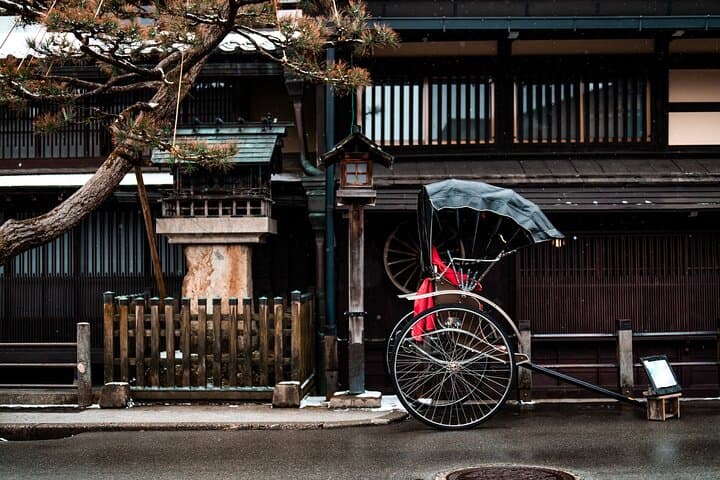

On a cool morning in Takayama you step from a quiet side street onto the preserved wooden facades of Kamisannomachi, where tiled roofs and latticed windows hold decades of market life in place.
On a cool morning in Takayama you step from a quiet side street onto the preserved wooden facades of Kamisannomachi, where tiled roofs and latticed windows hold decades of market life in place.
The route threads past Nakabashi Park’s red bridges, through Babamachi’s festival lanes, and up gentle paths to Shiroyama Park, where former castle earthworks open broad views over the Hida basin. The town sits in the foothills of the Northern Japanese Alps; folded sedimentary ranges and steep river valleys shape the plain and the seasonal patterns of cherry and maple stands.
Culturally, Takayama preserves Edo-period merchant architecture and a craft economy of lacquer, woodworking and sake brewing; matsuri traditions still animate Babamachi with floats and community performance. Shrines like Hida Gokoku offer quiet ritual pauses amid the urban fabric.
This private two-hour walking tour prioritizes exploration: expect flat cobbled streets, short stair sections, and paved park trails with minimal elevation gain. Mornings are best for softer light and fewer people. Bring comfortable walking shoes, a light rain layer, and a small daypack; public restrooms are available but spaced between major sights. Hydrate, wear non-slip soles for cobbles, and be prepared to step aside during festival processions.
Observe shrine etiquette, ask before photographing ceremonies, and support local artisans by buying small goods. For visitors seeking history, urban views, and easy hikes on the castle grounds, this walk delivers clear insight into Takayama.