THE ADVENTURE COLLECTIVE® · Independent discovery and booking for outdoor travel

Spend a private day from Zagreb exploring Krapina’s Neanderthal finds, the neo‑Gothic Trakošćan Castle and the ethnographic village that marks Tito’s birthplace. This compact route pairs science, architecture and social history with easy walking and scenic drives.
Spend a private day from Zagreb exploring Krapina’s Neanderthal finds, the neo‑Gothic Trakošćan Castle and the ethnographic village that marks Tito’s birthplace. This compact route pairs science, architecture and social history with easy walking and scenic drives.
A low-slung morning sun slides over Medvednica as the private car pulls out of Zagreb and the road eases into Hrvatsko Zagorje — rolling fields and hedgerows that push the city’s noise behind you. The day unfolds as a tightly woven sequence: a science museum built on the bones of our species, a 14th‑century fortress reworked into a 19th‑century romantic showpiece beside a glassy lake, and a reconstructed village that remembers a complicated 20th‑century leader.
Verified experiences and guided adventures in the surrounding area.
Operated by Mapping Croatia · Zagreb, Zagreb
A low-slung morning sun slides over Medvednica as the private car pulls out of Zagreb and the road eases into Hrvatsko Zagorje — rolling fields and hedgerows that push the city’s noise behind you. The day unfolds as a tightly woven sequence: a science museum built on the bones of our species, a 14th‑century fortress reworked into a 19th‑century romantic showpiece beside a glassy lake, and a reconstructed village that remembers a complicated 20th‑century leader.
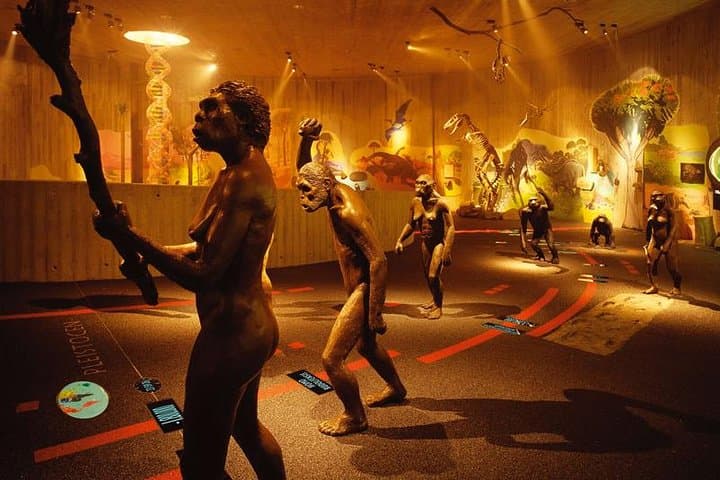
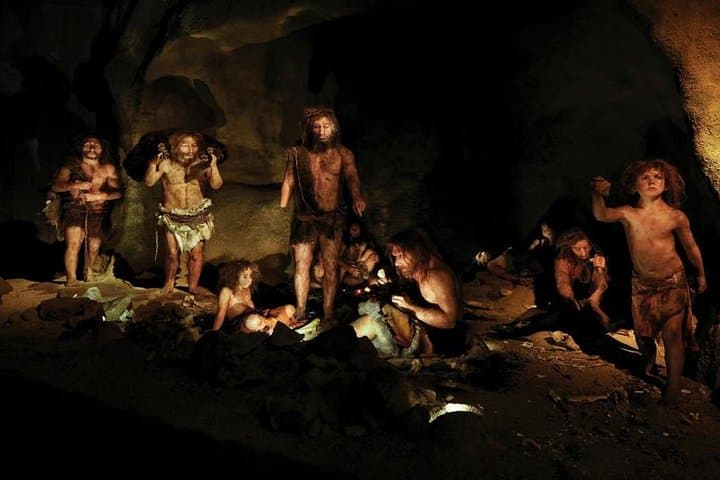
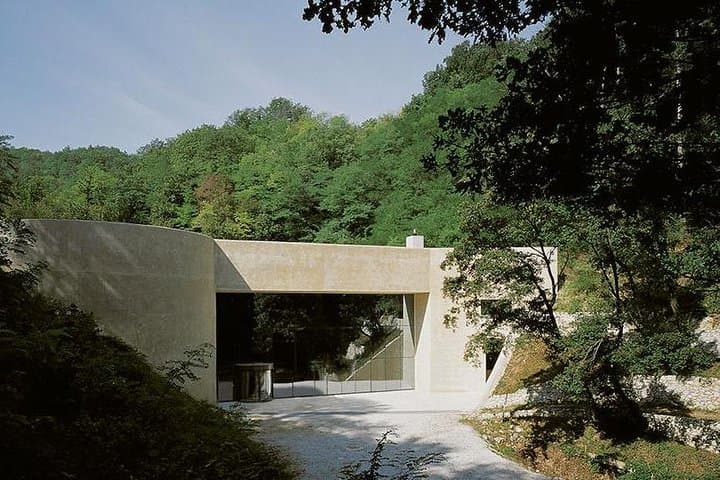
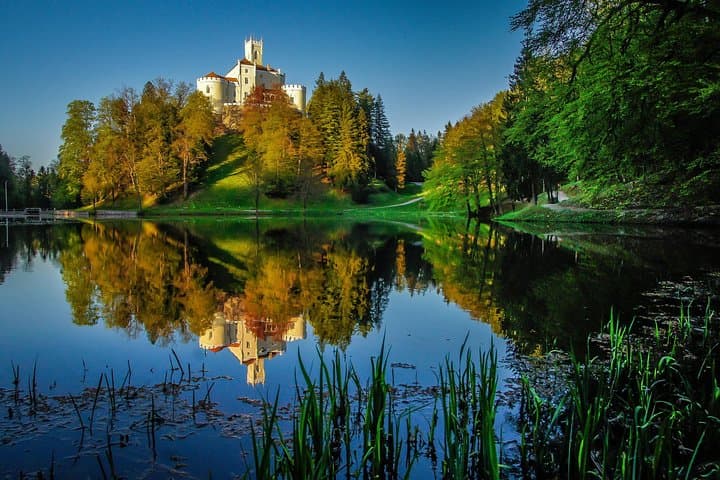
Krapina’s museum sits above the largest Neanderthal excavation in the world; exhibits combine paleoanthropology, climate context and life-reconstruction models to make deep time tangible. Trakošćan Castle, rebuilt in neo‑Gothic style, pairs collection rooms of furniture and arms with an easy waterside walk where the lake seems to slow time. Kumrovec’s open‑air museum recreates late‑19th‑century rural life and the modest house where Josip Broz Tito was born, framing local craft and social history.
Expect mostly gentle walking on paved paths and museum floors; brief steps and staircases at the castle. Guides explain the science at Krapina, local noble histories at Trakošćan and the social context of interwar Yugoslavia in Kumrovec. Children respond well to hands‑on exhibits and reconstruction huts.
Practical notes: museums may be closed on Mondays, bring sensible shoes, a refillable water bottle and a light layer for lakeside breezes. Lunch can be arranged in a local konoba (tavern) to sample Zagorje comfort food before the return drive to Zagreb.
easy.
7.5–8.5 hours.
Suitable for people in average physical condition; requires standing and short walks with some stairs.
Yes — entrance fees for Krapina Neanderthal Museum, Trakošćan Castle and the Old Village Museum (Kumrovec) are included; check the tour notes for Monday closures.
The tour includes pick up and drop off at your Zagreb accommodation; exact pickup times are confirmed after booking.
Yes — the itinerary is family‑friendly and stroller access is possible in most museum areas, though some castle staircases are narrow.
Guides can recommend local restaurants and help arrange meals; notify the operator of dietary restrictions when booking.
The route stitches deep prehistory (Krapina’s Neanderthal finds) to medieval fortifications later romanticized in the 19th century and the 20th‑century social history embodied by Tito’s birthplace in Kumrovec.
Museums in the region emphasize preservation of fragile archaeological material and historic buildings; visitors should follow signage, avoid touching exhibits and support local conservation by staying on marked paths.
Mapping Croatia operates guided outdoor trips and adventures with an emphasis on safety, stewardship, and memorable experiences.
A low-slung morning sun slides over Medvednica as the private car pulls out of Zagreb and the road eases into Hrvatsko Zagorje — rolling fields and hedgerows that push the city’s noise behind you. The day unfolds as a tightly woven sequence: a science museum built on the bones of our species, a 14th‑century fortress reworked into a 19th‑century romantic showpiece beside a glassy lake, and a reconstructed village that remembers a complicated 20th‑century leader.
A low-slung morning sun slides over Medvednica as the private car pulls out of Zagreb and the road eases into Hrvatsko Zagorje — rolling fields and hedgerows that push the city’s noise behind you. The day unfolds as a tightly woven sequence: a science museum built on the bones of our species, a 14th‑century fortress reworked into a 19th‑century romantic showpiece beside a glassy lake, and a reconstructed village that remembers a complicated 20th‑century leader.
Krapina’s museum sits above the largest Neanderthal excavation in the world; exhibits combine paleoanthropology, climate context and life-reconstruction models to make deep time tangible. Trakošćan Castle, rebuilt in neo‑Gothic style, pairs collection rooms of furniture and arms with an easy waterside walk where the lake seems to slow time. Kumrovec’s open‑air museum recreates late‑19th‑century rural life and the modest house where Josip Broz Tito was born, framing local craft and social history.
Expect mostly gentle walking on paved paths and museum floors; brief steps and staircases at the castle. Guides explain the science at Krapina, local noble histories at Trakošćan and the social context of interwar Yugoslavia in Kumrovec. Children respond well to hands‑on exhibits and reconstruction huts.
Practical notes: museums may be closed on Mondays, bring sensible shoes, a refillable water bottle and a light layer for lakeside breezes. Lunch can be arranged in a local konoba (tavern) to sample Zagorje comfort food before the return drive to Zagreb.