THE ADVENTURE COLLECTIVE® · Independent discovery and booking for outdoor travel

Walk seven kilometers across Timanfaya’s dramatic lava fields with local guides who explain the eruptions that reshaped Lanzarote. This relaxed 3‑hour circular trek combines geology, photo stops, and practical transport from nearby towns.
Walk seven kilometers across Timanfaya’s dramatic lava fields with local guides who explain the eruptions that reshaped Lanzarote. This relaxed 3‑hour circular trek combines geology, photo stops, and practical transport from nearby towns.
A wind off the Atlantic strips the heat from bare rock as you step onto black glassy fields where rivers of cooled lava folded like broken metal. The trail begins on scorched, compacted scoria; each footfall clicks against volcanic gravel and the steam vents ahead smell faintly of sulfur. Guides point out pitted craters and the layered flows that froze during the great 18th‑century eruptions.
Verified experiences and guided adventures in the surrounding area.
Operated by Geotrekking Lanzarote · Yaiza, Las Palmas
A wind off the Atlantic strips the heat from bare rock as you step onto black glassy fields where rivers of cooled lava folded like broken metal. The trail begins on scorched, compacted scoria; each footfall clicks against volcanic gravel and the steam vents ahead smell faintly of sulfur. Guides point out pitted craters and the layered flows that froze during the great 18th‑century eruptions.
Timanfaya’s ridges are recent geology — eruptions between 1730 and 1736 reshaped southern Lanzarote — and the park is a live lesson in basaltic volcanism. Local guides weave in cultural notes: how islanders adapted to lost farmland, how architect César Manrique later argued for protecting the landscape’s starkness, and how the island’s viticulture thrives in the ash‑filled valleys nearby.
The route described is a circular 7 km walk with about 50 m of elevation change; terrain is mostly packed volcanic sand, occasional jagged lava and steady but gentle inclines. Expect open exposure, little shade, and wind that can swing from cool to cutting in minutes.
Practical essentials: wear sturdy hiking shoes, bring 1–2 liters of water, sun protection, and a light wind or rain layer. The small‑group tour (up to 10) includes private transport, snacks, and walking sticks; duration is three hours. The pace is deliberately relaxed to accommodate varied fitness levels and to allow time for photography and geology stops. Respect park rules, stay on the marked route, and be prepared for sudden gusts and bright sun when planning this memorable but accessible volcanic trek.
easy.
3 hours.
Suitable for people in regular low‑impact fitness — steady 7 km with minimal elevation gain (≈50 m). Comfortable walking shoes and basic stamina recommended.
The route is rated low difficulty: 7 km circular with ~50 m elevation gain and a relaxed pace, suitable for most beginners with basic mobility.
Yes — the tour includes private transport from arranged pickup points, listed at booking.
The tour covers private transport, snacks, walking sticks, and in some cases a rain jacket; check your booking confirmation for specifics.
Infants may join but must sit on an adult’s lap during transport; consider terrain and sun exposure before bringing very young children.
Timanfaya’s most dramatic eruptions occurred 1730–1736, blanketing much of southern Lanzarote in lava and reshaping human settlement and agriculture.
The area is protected with strict visitor routes to preserve fragile volcanic soils and endemic species; stay on trails and avoid disturbing vegetation or rock surfaces.
Geotrekking Lanzarote operates guided outdoor trips and adventures with an emphasis on safety, stewardship, and memorable experiences.
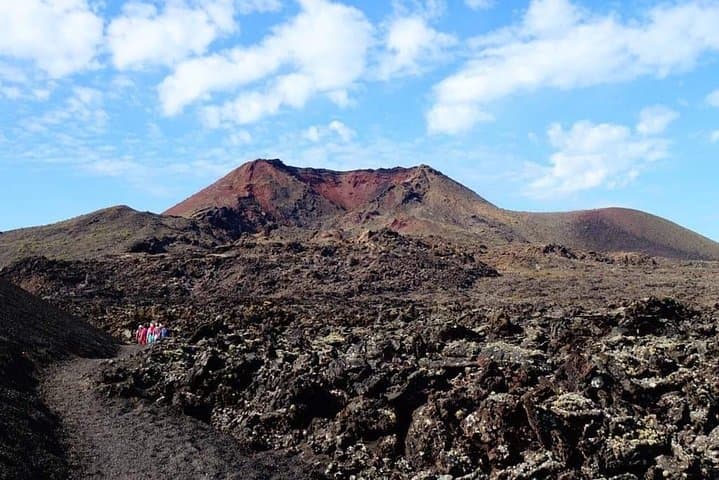
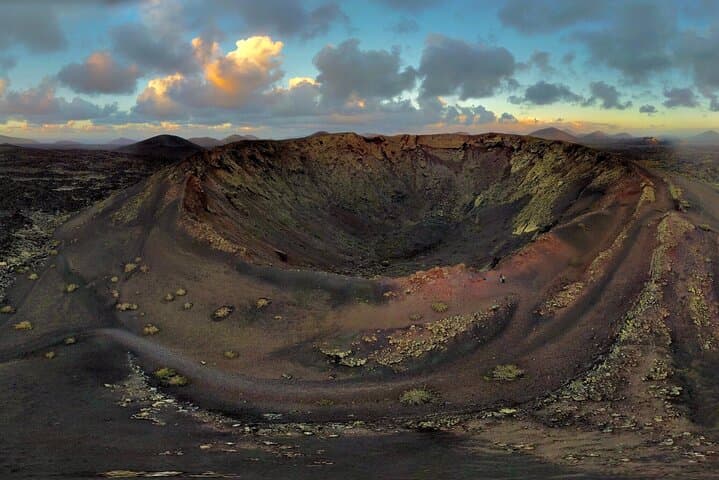
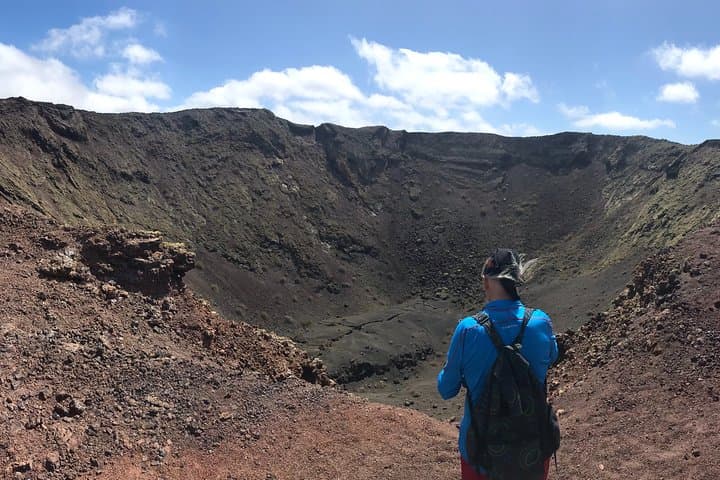
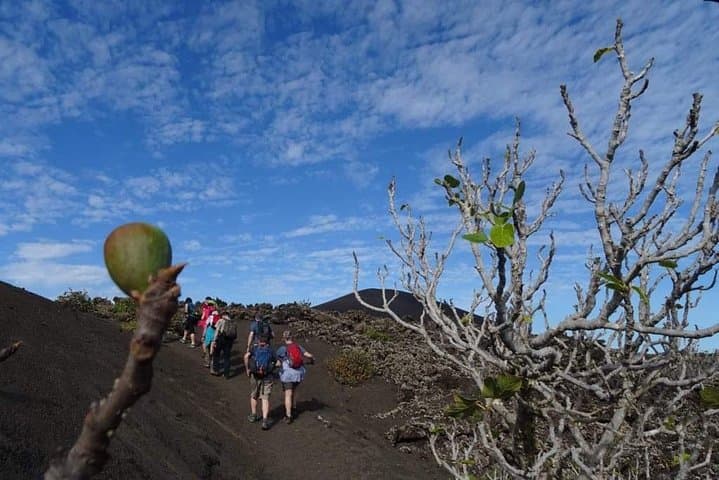
A wind off the Atlantic strips the heat from bare rock as you step onto black glassy fields where rivers of cooled lava folded like broken metal. The trail begins on scorched, compacted scoria; each footfall clicks against volcanic gravel and the steam vents ahead smell faintly of sulfur. Guides point out pitted craters and the layered flows that froze during the great 18th‑century eruptions.
A wind off the Atlantic strips the heat from bare rock as you step onto black glassy fields where rivers of cooled lava folded like broken metal. The trail begins on scorched, compacted scoria; each footfall clicks against volcanic gravel and the steam vents ahead smell faintly of sulfur. Guides point out pitted craters and the layered flows that froze during the great 18th‑century eruptions.
Timanfaya’s ridges are recent geology — eruptions between 1730 and 1736 reshaped southern Lanzarote — and the park is a live lesson in basaltic volcanism. Local guides weave in cultural notes: how islanders adapted to lost farmland, how architect César Manrique later argued for protecting the landscape’s starkness, and how the island’s viticulture thrives in the ash‑filled valleys nearby.
The route described is a circular 7 km walk with about 50 m of elevation change; terrain is mostly packed volcanic sand, occasional jagged lava and steady but gentle inclines. Expect open exposure, little shade, and wind that can swing from cool to cutting in minutes.
Practical essentials: wear sturdy hiking shoes, bring 1–2 liters of water, sun protection, and a light wind or rain layer. The small‑group tour (up to 10) includes private transport, snacks, and walking sticks; duration is three hours. The pace is deliberately relaxed to accommodate varied fitness levels and to allow time for photography and geology stops. Respect park rules, stay on the marked route, and be prepared for sudden gusts and bright sun when planning this memorable but accessible volcanic trek.