THE ADVENTURE COLLECTIVE® · Independent discovery and booking for outdoor travel

A long, high-altitude loop that combines the Annapurna Circuit with a side trek to Tilicho Lake and a sunrise at Poon Hill. Expect 18–20 days of varied terrain, significant elevation gain and teahouse stays through culturally rich mountain villages.
A long, high-altitude loop that combines the Annapurna Circuit with a side trek to Tilicho Lake and a sunrise at Poon Hill. Expect 18–20 days of varied terrain, significant elevation gain and teahouse stays through culturally rich mountain villages.
You round a final moraine and the lake appears — a sheet of cold glass cupped against Tilicho Peak, wind sketching brief ripples across its surface. The trail has threaded rhododendron slopes, pine skirts and dry, high-altitude plateaus; now the Himalaya feels immediate and uncompromising, peaks leaning in as if to test your purpose.
Verified experiences and guided adventures in the surrounding area.
Operated by himalayan sanctuary adventure private limited · Pokhara, Gandaki Province
You round a final moraine and the lake appears — a sheet of cold glass cupped against Tilicho Peak, wind sketching brief ripples across its surface. The trail has threaded rhododendron slopes, pine skirts and dry, high-altitude plateaus; now the Himalaya feels immediate and uncompromising, peaks leaning in as if to test your purpose.
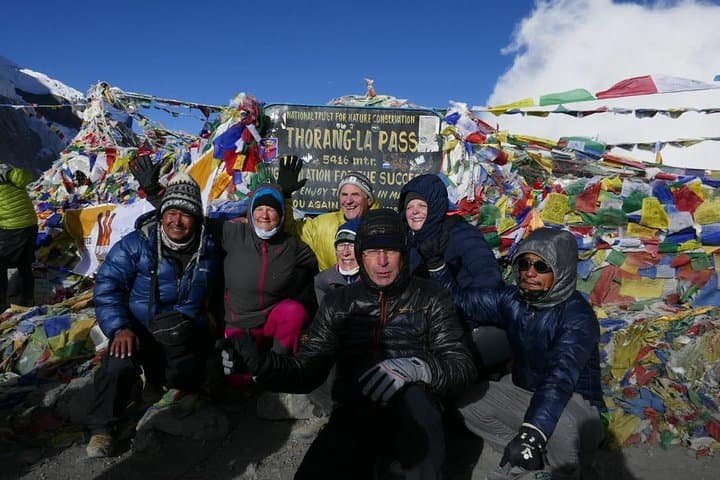
This classic circuit traces ancient trans-Himalayan trade routes and modern trekking corridors: villages with stacked stone houses, gompas where butter lamps burn, and landscapes carved by glacial action and the Kali Gandaki gorge. Geology here is dramatic — uplifted marine limestones form Paungda Danda’s sheer face, and the pass at Thorong La (5,416 m) is a watershed between monsoon-fed forests and the rain-shadowed Manang basin.
Culture is equally present: Barge and Tare monasteries hold local histories; Muktinath is a dual Hindu–Buddhist pilgrimage site. Along the way, yak caravans nudge trails and Himalayan hospitality centers the route in teahouse stops rather than full backcountry camps.
Practical guidance: plan for two acclimatization days, pack for diurnal extremes and start Thorong La pre-dawn to avoid afternoon winds. Footing ranges from compact dirt to loose scree near Tilicho; expect sustained uphill approaches and long downhill descents after the pass. Hydrate early and often, monitor for altitude symptoms, and carry layers for biting, sunny mornings. This itinerary rewards steady pacing: give the mountains time and they will give you views, quiet, and a hard-earned sense of arrival.
difficult.
18–20 days.
Good aerobic fitness with experience on multi-day hikes; ability to hike 5–8 hours a day at altitude.
Not strictly, but prior multi-day trekking experience and understanding of altitude protocols make the trip safer and more comfortable.
You need the Annapurna Conservation Area Permit (ACAP) and a TIMS card; operators usually arrange these and carry copies on trek.
Nighttime temperatures at basecamp and above can drop well below freezing even in shoulder seasons; expect sub-zero at Thorong La.
Yes — the itinerary uses teahouses during the trek; expect simple rooms, shared facilities, and communal dining.
The route follows centuries-old trade and pilgrimage corridors linking Tibetan plateaus to the Nepali lowlands; Muktinath remains a living spiritual crossroads.
Trekking here operates under ACAP rules to limit waste and protect fragile alpine ecosystems; carry out waste, avoid single-use plastics and support teahouses that follow local sustainability practices.
himalayan sanctuary adventure private limited operates guided outdoor trips and adventures with an emphasis on safety, stewardship, and memorable experiences.
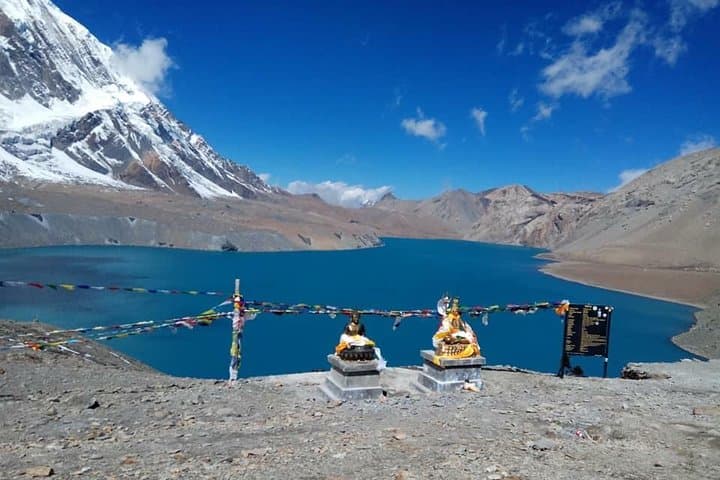
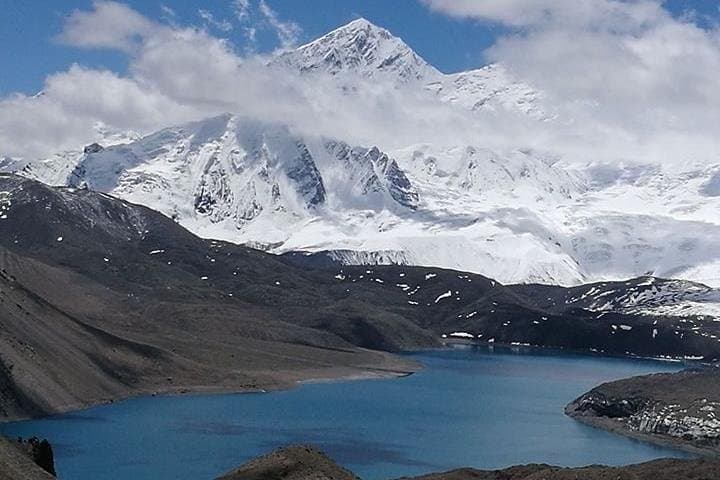
You round a final moraine and the lake appears — a sheet of cold glass cupped against Tilicho Peak, wind sketching brief ripples across its surface. The trail has threaded rhododendron slopes, pine skirts and dry, high-altitude plateaus; now the Himalaya feels immediate and uncompromising, peaks leaning in as if to test your purpose.
You round a final moraine and the lake appears — a sheet of cold glass cupped against Tilicho Peak, wind sketching brief ripples across its surface. The trail has threaded rhododendron slopes, pine skirts and dry, high-altitude plateaus; now the Himalaya feels immediate and uncompromising, peaks leaning in as if to test your purpose.
This classic circuit traces ancient trans-Himalayan trade routes and modern trekking corridors: villages with stacked stone houses, gompas where butter lamps burn, and landscapes carved by glacial action and the Kali Gandaki gorge. Geology here is dramatic — uplifted marine limestones form Paungda Danda’s sheer face, and the pass at Thorong La (5,416 m) is a watershed between monsoon-fed forests and the rain-shadowed Manang basin.
Culture is equally present: Barge and Tare monasteries hold local histories; Muktinath is a dual Hindu–Buddhist pilgrimage site. Along the way, yak caravans nudge trails and Himalayan hospitality centers the route in teahouse stops rather than full backcountry camps.
Practical guidance: plan for two acclimatization days, pack for diurnal extremes and start Thorong La pre-dawn to avoid afternoon winds. Footing ranges from compact dirt to loose scree near Tilicho; expect sustained uphill approaches and long downhill descents after the pass. Hydrate early and often, monitor for altitude symptoms, and carry layers for biting, sunny mornings. This itinerary rewards steady pacing: give the mountains time and they will give you views, quiet, and a hard-earned sense of arrival.