THE ADVENTURE COLLECTIVE® · Independent discovery and booking for outdoor travel

Navigate Tilburg on your own terms with a self-guided e-scavenger hunt. Use a smartphone app to solve clues, visit cultural highlights and explore former industrial sites at a flexible pace.
Navigate Tilburg on your own terms with a self-guided e-scavenger hunt. Use a smartphone app to solve clues, visit cultural highlights and explore former industrial sites at a flexible pace.
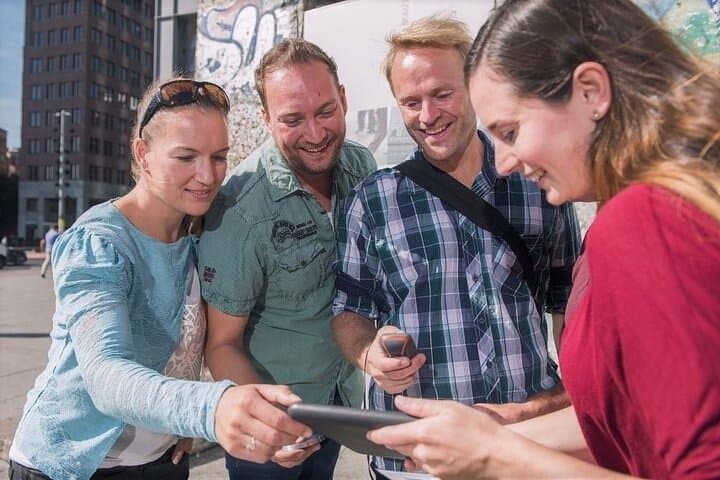
A brisk autumn wind threads the wide squares of Tilburg as teams cluster over phones, plotting the next waypoint. The city game starts on your schedule: GPS pings, a finger tap, and the map unfurls — streets, squares and industrial bones repurposed into cultural spaces. Players trade questions for clues and small tasks for a sense of city ownership.
Verified experiences and guided adventures in the surrounding area.
Operated by Qula · Tilburg, North Brabant
A brisk autumn wind threads the wide squares of Tilburg as teams cluster over phones, plotting the next waypoint. The city game starts on your schedule: GPS pings, a finger tap, and the map unfurls — streets, squares and industrial bones repurposed into cultural spaces. Players trade questions for clues and small tasks for a sense of city ownership.
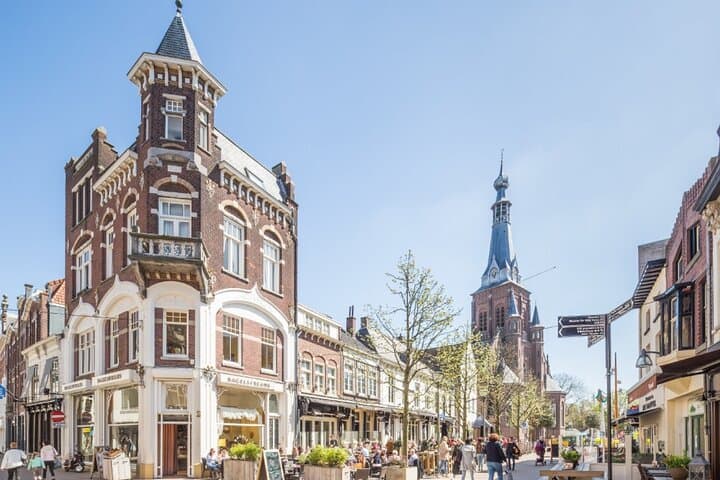
Tilburg's story is visible in brick and canal: once a textile powerhouse in North Brabant, its warehouses and factories have been converted into museums, breweries and event halls. The ground here is low and flat—riverine clay shaped by centuries of peat-cutting—and the urban grid reveals layers of 19th-century industry and 20th-century reinvention. Local culture is pragmatic and convivial: cafés spill onto plazas, and weekly markets keep the pace human.
Practical guidance keeps the fun rolling. Expect 2–4 hours depending on stops; wear comfortable walking shoes and bring a charged smartphone and portable battery. The route is wheelchair- and stroller-accessible in most parts, but check individual museum doors if you plan detours. Hydrate along the way—public fountains are scarce, but cafés are frequent.
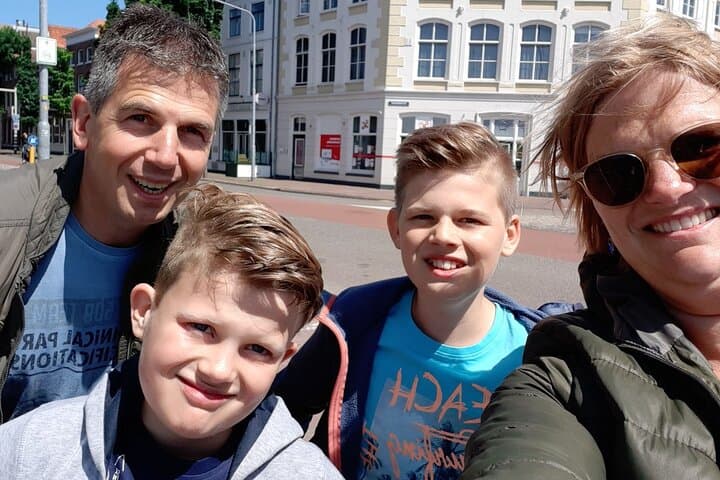
Play in the morning to avoid weekend crowds, or at dusk when the LocHal glows and the Spoorzone quiets. The app lets groups move at their own pace, making this a good choice for families, corporate teams, or travelers who prefer independent exploration. Keep valuables close, follow local rules, and enjoy Tilburg on your terms.
easy.
2–4 hours.
Suitable for most fitness levels; requires walking on paved urban surfaces for several hours.
The experience is flexible but typically takes 2–4 hours depending on pace and stops at museums or cafés.
Most of the route is on paved, wheelchair-accessible surfaces; check individual sites for specific access details.
Yes—games are designed for groups (max. team sizes noted by the operator) and work well for family or corporate outings.
A data connection is recommended for GPS and app content; download any available material beforehand and bring a portable hotspot if needed.
Tilburg grew rapidly during the 19th-century textile boom; former factories and warehouses have been repurposed into cultural venues like museums and the LocHal.
Respect public spaces: stick to sidewalks and designated paths, minimize litter, and support local businesses to keep the city’s cultural reuse projects thriving.
Qula operates guided outdoor trips and adventures with an emphasis on safety, stewardship, and memorable experiences.

A brisk autumn wind threads the wide squares of Tilburg as teams cluster over phones, plotting the next waypoint. The city game starts on your schedule: GPS pings, a finger tap, and the map unfurls — streets, squares and industrial bones repurposed into cultural spaces. Players trade questions for clues and small tasks for a sense of city ownership.
A brisk autumn wind threads the wide squares of Tilburg as teams cluster over phones, plotting the next waypoint. The city game starts on your schedule: GPS pings, a finger tap, and the map unfurls — streets, squares and industrial bones repurposed into cultural spaces. Players trade questions for clues and small tasks for a sense of city ownership.
Tilburg's story is visible in brick and canal: once a textile powerhouse in North Brabant, its warehouses and factories have been converted into museums, breweries and event halls. The ground here is low and flat—riverine clay shaped by centuries of peat-cutting—and the urban grid reveals layers of 19th-century industry and 20th-century reinvention. Local culture is pragmatic and convivial: cafés spill onto plazas, and weekly markets keep the pace human.
Practical guidance keeps the fun rolling. Expect 2–4 hours depending on stops; wear comfortable walking shoes and bring a charged smartphone and portable battery. The route is wheelchair- and stroller-accessible in most parts, but check individual museum doors if you plan detours. Hydrate along the way—public fountains are scarce, but cafés are frequent.
Play in the morning to avoid weekend crowds, or at dusk when the LocHal glows and the Spoorzone quiets. The app lets groups move at their own pace, making this a good choice for families, corporate teams, or travelers who prefer independent exploration. Keep valuables close, follow local rules, and enjoy Tilburg on your terms.